
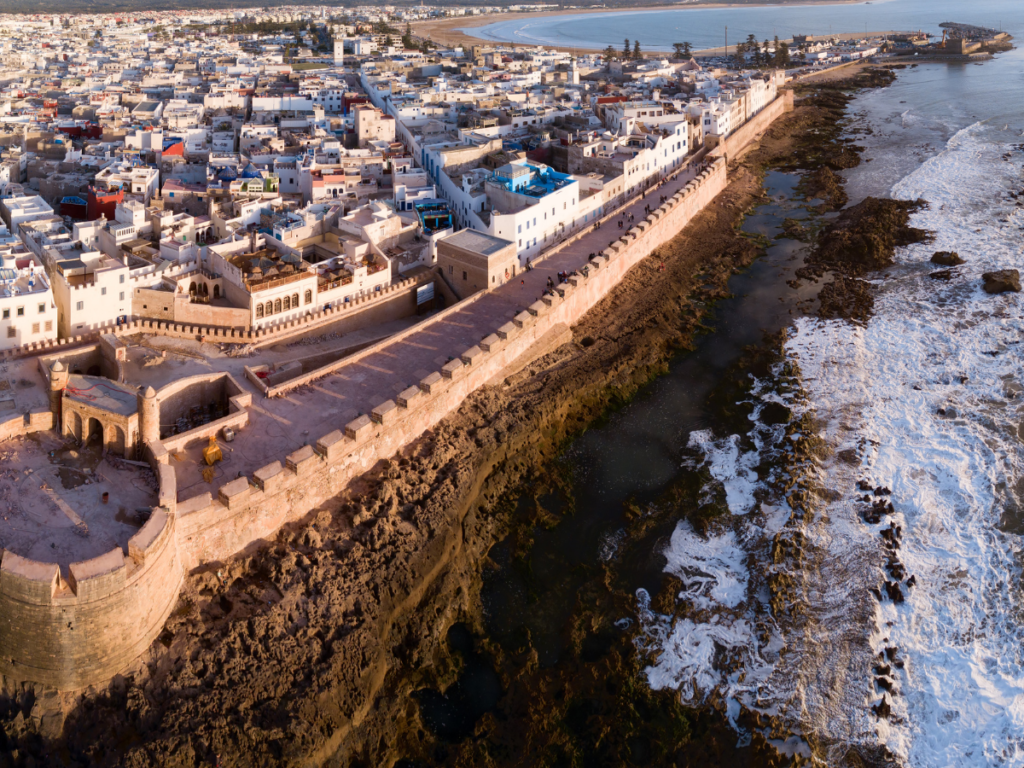
The Race Ends in Essaouira. Your Morocco Adventure Doesn’t Have To.
You’ve just spent days crossing some of Morocco’s most remote mountains on two wheels. Your legs are done. Your bike is covered in dust. And then, finally, the Atlantic comes into view at Essaouira.
So what happens next?
Most riders book a flight home the moment they cross the finish line. But if you give yourself a few extra days, the end of the race can become the start of a very different kind of Moroccan journey one built around recovery, culture, and the landscapes you were too focused on pedaling through to really see.
The race is the challenge. The journey after the race is the reward.
Atlas Mountain Race Morocco 2027 at a Glance
| Detail | 2027 |
|---|---|
| Dates | March 13–20, 2027 |
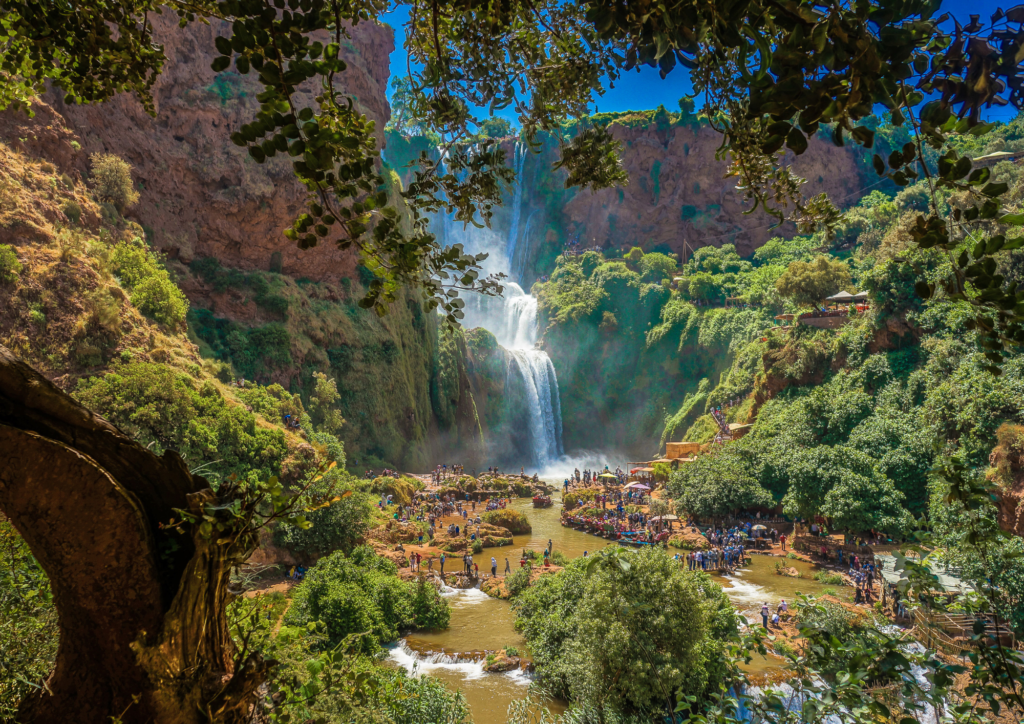
| Start | Ouzoud |
| Finish | Essaouira |
| Format | Unsupported, single-stage |
| Distance | Roughly 1,331 km |
| Elevation gain | Roughly 25,000 m |
| Expected finish time | Around 8 days for most riders |
These figures come from the event organizer’s current race listing. Ultra-endurance race details can shift as an edition approaches, so it’s worth checking the official race page for the latest confirmed numbers before you lock in flights.
What Changed for the 2027 Edition?
The start line has moved from Beni Mellal to Ouzoud. It’s a change that seems designed to give the larger rider field a smoother launch point and better access into the Middle Atlas. The 2027 route also appears to bring riders back through the M’Goun gorges, an area the organizers have highlighted as a return to terrain they wanted to explore further.
What Makes Atlas Mountain Race Different From a Normal Cycling Tour?
This isn’t a supported group ride with a van following behind. A few things set it apart:
- Unsupported doesn’t mean unprepared. Riders carry their own gear, plan their own resupply, and make their own calls in the mountains.
- Long stretches between resupply. Some sections of the route pass through areas with very little in the way of shops or services.
- Gravel, singletrack, and old colonial pistes. Much of the route isn’t paved, and conditions can change quickly with weather.
- The mountains are part of the challenge, not just scenery. Hike-a-bike sections and rough tracks are part of the route by design.
Arriving in Morocco for Atlas Mountain Race 2027
Which Moroccan Airport Should Riders Fly Into?
Most international riders fly into Marrakech Menara, which tends to have the most convenient connections and the shortest overland journey to Ouzoud. Casablanca is a reasonable alternative if you’re arriving on a route with better fares or timing, though it adds extra travel time to reach the start.
Getting From the Airport to Ouzoud
Once you land, the practical questions start piling up fast: Where do you store a bike box before the race? How do you get yourself, your gear, and your bike to Ouzoud without wasting a recovery day sitting in traffic or on public transport?
A private transfer built around cyclists rather than a standard airport taxi tends to solve most of this in one step, handling the vehicle size, the timing around your flight, and the drop-off logistics near the start line.
Why Bike-Friendly Transfers Matter
It’s not really about “offering a transfer.” It’s about solving the actual problems riders run into:
- Where does the bike box go if the vehicle isn’t set up for it?
- Will there be room for two riders and two full bike setups?
- What happens if your flight is delayed and your driver is already waiting?
These are the details that separate a smooth pre-race arrival from a stressful one.
Getting to Ouzoud Before the Race
Where to Stay Before the Start
Arriving a day or two early gives you time to rebuild your bike, sort your kit, and actually sleep before one of the hardest weeks of your cycling year.
Arriving Early vs. Arriving the Day Before
Arriving with a buffer day is generally the safer call. Flight delays, lost luggage, and bike assembly issues are common enough that cutting it close before an unsupported multi-day race adds unnecessary risk.
What Riders Should Organize Before Leaving the Hotel
A short checklist before heading to the start:
- Water and food for the first stretch
- GPX files loaded and backed up
- A final bike inspection
- Devices charged
- Cash on hand for remote areas
- Essential spare parts (tubes, chain links, tools)
What Happens When You Finish in Essaouira?
This is where the story usually gets skipped over but it might be the most important part of the whole trip.
Your First Night After the Race
After days of managing your own food, sleep, and navigation, your body needs a break before it needs sightseeing.
Give Your Legs Time to Recover
Even strong, experienced riders tend to underestimate how long real recovery takes after an ultra-distance effort. A day or two of doing very little is not wasted time.
A Shower, Real Food, a Proper Bed, and Ocean Air
Essaouira’s relaxed, breezy atmosphere makes it a genuinely good place to land after days in the mountains a real bed, seafood instead of trail food, and a slower pace than anywhere along the race route.
Don’t Schedule a Long Transfer Immediately
Jumping straight into a long drive the day after finishing tends to backfire. Giving yourself at least one full rest day in Essaouira before moving on makes the rest of the trip more enjoyable.
This is where a post-race Morocco itinerary can make sense.
From Bikepacking to Recovery: Planning Your Post-Race Morocco Trip
There are a few natural ways to extend the trip, depending on how much time and energy you have left.
Option 1: Essaouira Recovery Stay
For riders who mainly want ocean air, the medina, fresh seafood, slow mornings, and maybe a massage without going anywhere else.
Option 2: Essaouira → Marrakech
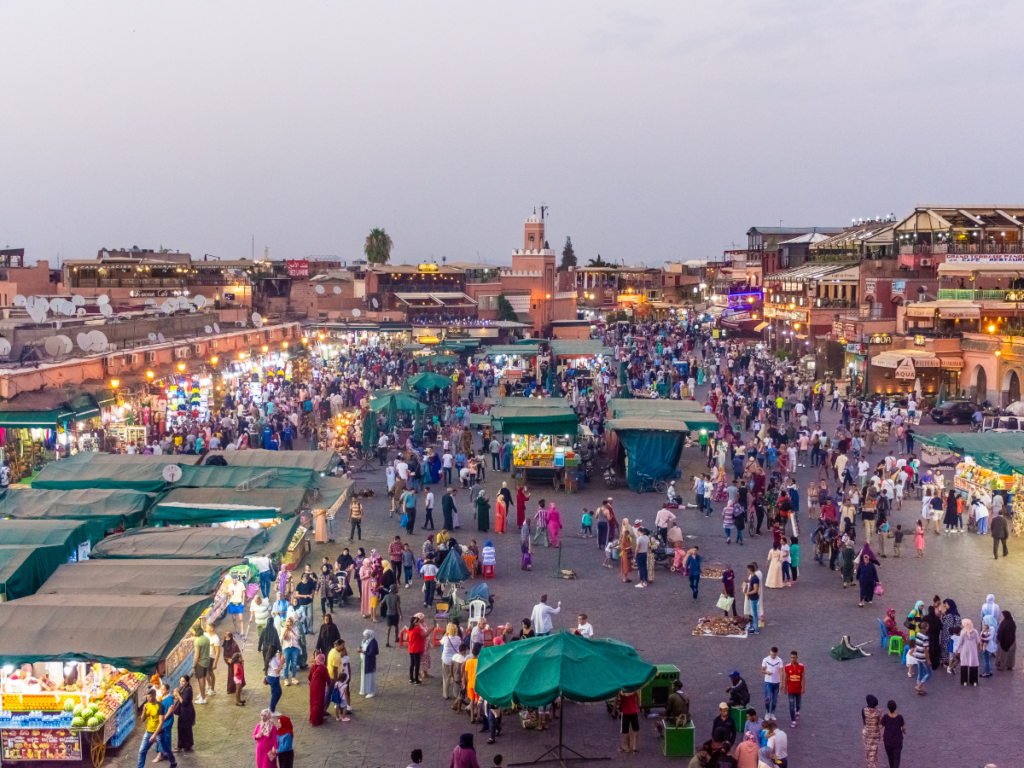
A shorter cultural extension for riders who want a taste of Morocco’s most famous city before flying home.
Option 3: Essaouira → Sahara → Marrakech
This is the route with the most to offer, combining coastal recovery, Atlas and Anti-Atlas landscapes, a proper Sahara experience, and a finish in Marrakech.
Why Spend Two Nights in the Sahara After Atlas Mountain Race?
A quick desert stop is nice. But after finishing an ultra-endurance race, an extra night changes the experience considerably.
One night typically looks like: arrival, a camel or 4×4 excursion, sunset, dinner, sunrise, and departure. It’s memorable, but rushed.
Two nights gives you room to actually settle in: no rush on arrival, a full day exploring Erg Chebbi by 4×4, time around nomadic communities and desert landscapes, a second sunset, and importantly more real recovery time between long drive days.
For riders coming straight off an unsupported ultra-race, that extra recovery time tends to matter more than people expect going in.
An 8-Day Post-Race Journey From Essaouira to Marrakech
Here’s what a fuller post-race itinerary can look like: 8-Day Essaouira to Sahara Morocco Tour
- Day 1 — Essaouira: Race finish and recovery. Nothing strenuous planned.
- Day 2 — Essaouira → Taroudant / Anti-Atlas: Transition from Atlantic coast toward southern Morocco.
- Day 3 — Anti-Atlas & Amazigh villages: A slower day focused on landscapes and local life.
- Day 4 — Toward the Sahara: A long, scenic drive with stops along the way rather than a rushed transfer.
- Day 5 — Erg Chebbi, first night in the Sahara: Sunset over the dunes and a night at a desert camp.
- Day 6 — A full day in the Sahara: 4×4 exploration, dunes, nomadic communities, and a second sunset instead of packing up early.
- Day 7 — Sahara → Dades / Ouarzazate: Gorges and kasbah landscapes.
- Day 8 — Aït Ben Haddou → High Atlas → Marrakech: Journey’s end in Marrakech.
Morocco Sahara Tours or Custom Tours
What Kind of Accommodation Works Best After an Ultra-Endurance Race?
“Standard” accommodation doesn’t have to mean basic. After days of trail food and a sleeping bag, the details that matter most tend to be simple: a private room and bathroom, a proper breakfast, a quiet environment, secure storage for your bike and gear, and a genuinely comfortable bed. Boutique and standard options across Morocco can cover all of this it’s less about luxury and more about actual rest.
Traveling With Your Bike After Atlas Mountain Race
A few practical questions riders often ask once the race is over:
Can you travel with a bike box in a private vehicle? In most cases, yes, as long as the vehicle is chosen with that in mind ahead of time.
What about two bikes? This usually just needs a larger vehicle booked in advance rather than arranged on the spot.
Where can riders leave bike boxes? This depends on the specific accommodation and route, so it’s worth confirming storage options directly with your travel provider rather than assuming it’s automatically included.
Can a driver handle luggage and cycling equipment? Many private drivers in Morocco are used to handling sports equipment, but it’s best to confirm this specifically rather than assume.
Is a Private Driver Worth It After 8 Days of Bikepacking?
Self-driving after AMR means dealing with unfamiliar roads, navigation, parking, and language on top of physical exhaustion.
A private driver removes most of that. After an unsupported race, the real value of a private vehicle usually isn’t just transportation it’s removing decisions at a point when you’re already running on empty. Not having to think about directions, fuel, or where to park in a medina can make a noticeable difference to how much you actually enjoy the days after the finish line.
Why Travel Morocco With a Local Team After the Race?
A few things a locally based travel team can typically offer that a self-planned trip can’t easily replicate:
- Local knowledge that goes beyond the standard tourist route
- Familiarity with Amazigh communities and mountain regions along the way
- Flexible timing built around how riders actually feel post-race, not a fixed group schedule
- Private travel rather than joining a fixed departure with strangers
- One point of contact (often over WhatsApp) for the whole journey
Who Is This Post-Race Morocco Journey For?
- Solo AMR riders looking to unwind before flying home
- Couples who rode the race together and want to explore afterward as a pair
- Small groups of friends extending the trip together
- Riders traveling with a non-racing partner who’s meeting them at the finish
- International cyclists who’ve built extra time into their Morocco trip either side of the race
How Many Days Should You Stay in Morocco After AMR?
3–4 days: A short recovery and cultural stop, usually centered on Essaouira.
5–6 days: Enough time for Essaouira, Marrakech, and a taste of southern Morocco.
7–8 days: Room for Essaouira, the Anti-Atlas, two nights in the Sahara, and a finish in Marrakech.
9–12 days: A slower, more complete journey through several regions without feeling rushed.
Atlas Mountain Race Morocco 2027 Travel Planning Timeline
6–9 months before: Book flights, confirm race logistics, and sketch out your rough post-race itinerary.
3–4 months before: Lock in accommodation, private transport, and any Sahara arrangements.
1 month before: Confirm arrival details and bike transport logistics.
Race week: Keep your post-race plans flexible you won’t know exactly how you’ll feel until you’re across the line.
After the finish: Recovery first, sightseeing second.
Frequently Asked Questions About Atlas Mountain Race Morocco 2027
When is Atlas Mountain Race 2027?
The 2027 edition is currently scheduled for March 13–20, 2027. The event is designed as an approximately eight-day unsupported bikepacking race, although individual finish times vary.
Where does Atlas Mountain Race 2027 start and finish?
The 2027 edition is scheduled to start in Ouzoud and finish in Essaouira, crossing Morocco’s mountain and remote-road landscapes along the way.
Can I book a bike-friendly transfer for Atlas Mountain Race 2027?
Yes. Riders can arrange a private, bike-friendly transfer to or from the race, with enough space for bicycles, bike boxes and luggage. It is best to arrange this in advance so the vehicle and timing match your travel plans.
Can I travel from Essaouira to the Sahara after Atlas Mountain Race?
Yes. A post-race journey from Essaouira to the Sahara and onward to Marrakech is an excellent way to continue your Morocco experience after finishing the race. The itinerary can include the Anti-Atlas, Amazigh villages, kasbahs and Erg Chebbi.
Is two nights in the Sahara worth it after Atlas Mountain Race?
For many riders, two nights is more comfortable than one, especially after an ultra-endurance race. It gives you time to recover, enjoy the dunes without rushing, experience a 4×4 desert excursion and have a second evening and sunrise in the Sahara.
Plan Your Morocco Adventure After Atlas Mountain Race 2027
Finished the race in Essaouira? Let us take care of everything that comes next from pickup at the finish line, to a bike-friendly private vehicle, comfortable standard or boutique accommodation, a proper two-night Sahara experience, and a smooth drop-off in Marrakech.
Request Your Post-Race Morocco Itinerary
Table of Contents
Table of Contents
- Best Morocco Vacations Packages for 2026–2027
- Northern Morocco Cities & Medinas: Tours, Culture & Authentic Experiences
- October in Morocco: Weather, Best Places & 3-7 Day Itineraries
- Morocco in November: Where to Go, Weather & Best Itineraries 2027
- 6-Day Morocco Itinerary From Casablanca: Chefchaouen, Fes & Merzouga
- 6 day morocco itinerary casablanca chefchaouen fes et merzouga
