
Northern Morocco feels like a different country from the Morocco most travelers picture. Instead of Marrakech’s souks and the Sahara’s dunes, you get the Mediterranean meeting the Atlantic, the Rif Mountains rolling down to blue-painted towns, and imperial cities packed with over a thousand years of history. This guide covers the best things to do in Northern Morocco, from Chefchaouen’s famous blue streets to the Roman ruins at Volubilis, plus real answers on timing, getting around, and where to stay.
Everything here comes from routes we run regularly with travelers, not a list pulled together from guidebooks. Wherever it’s useful, we’ve pointed to our own 5-Day Journey Through Northern Morocco, which links most of these destinations together for people who’d rather explore with a private driver-guide than plan every stop themselves.
Why Visit Northern Morocco?
Northern Morocco offers a mix of landscapes and cultures you won’t find in the south. Here’s what sets the region apart.
Mediterranean and Atlantic Landscapes
Tangier sits where the Mediterranean meets the Atlantic, and the coastline from there down to Asilah shifts between cliffs, beaches, and fishing towns. It’s a very different backdrop from the desert scenery most people associate with Morocco.
Andalusian and Moroccan Cultural Influences
Centuries of exchange with southern Spain shaped cities like Tetouan and Chefchaouen. You’ll notice it in the architecture, the tilework, and even the food, which carries more Mediterranean influence than dishes further south.
Historic Medinas and Imperial Cities
Fes and Meknes were both capitals of Moroccan empires, and their medinas are some of the best preserved in the country. Fes el Bali in particular is a UNESCO World Heritage Site with a medina that’s largely closed to cars.
Rif Mountains and Outdoor Adventures
The Rif range gives Northern Morocco a green, mountainous character that contrasts with the arid landscapes elsewhere. Hiking trails around Chefchaouen and Akchour are popular with travelers who want a break from city sightseeing.
Authentic Experiences Beyond the Main Tourist Routes
Because Northern Morocco sees fewer tour groups than Marrakech or Fes on its own, towns like Asilah and Tetouan still feel lived-in rather than built for tourism.
Best Things to Do in Northern Morocco
Here are the 25 experiences worth building your trip around.
1. Explore the Blue Medina of Chefchaouen
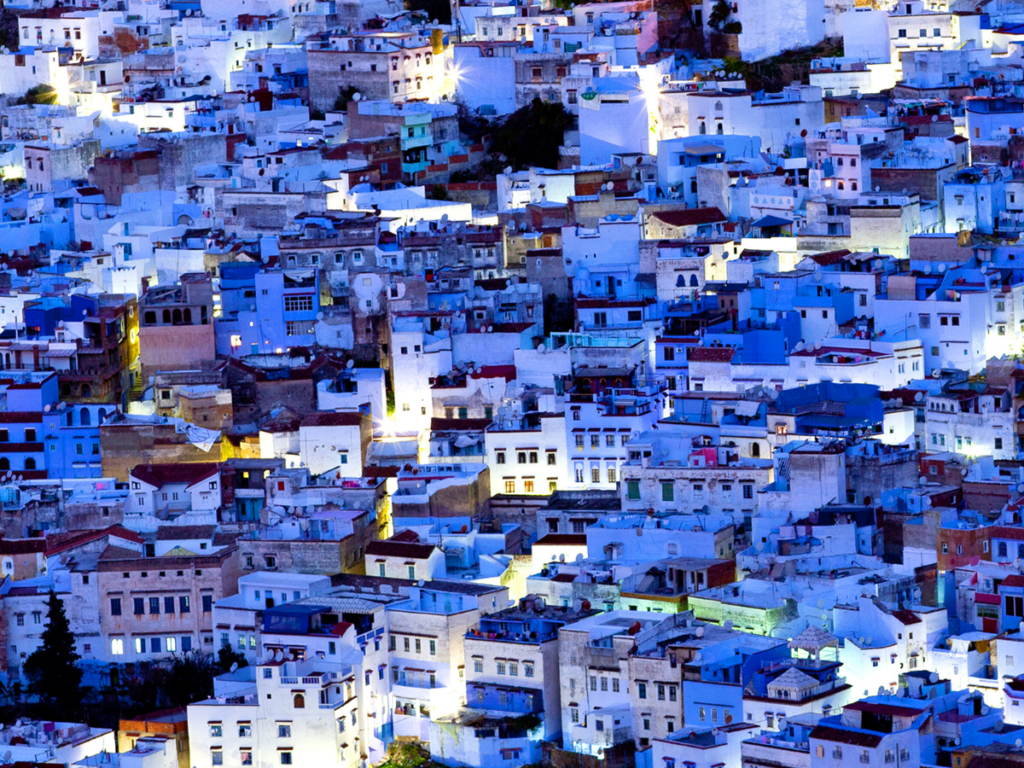
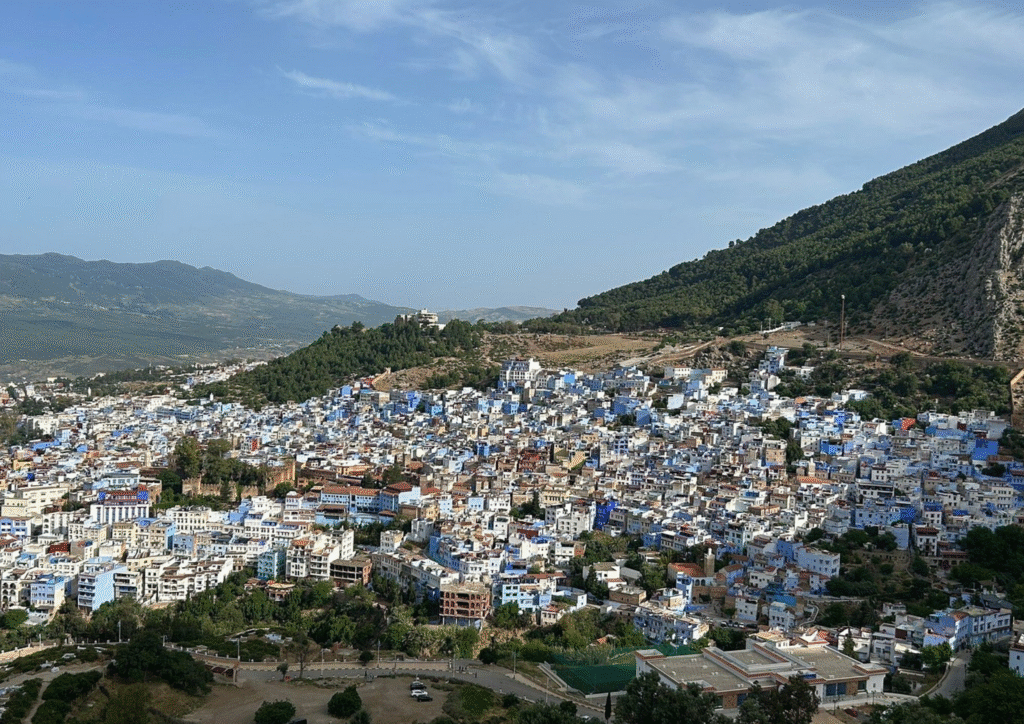
Chefchaouen’s blue-washed streets are the most photographed spot in Northern Morocco, and for good reason. Wander without a fixed route, since the medina rewards getting a little lost, and stop in the small shops selling wool blankets and local crafts.
2. Visit the Kasbah of Chefchaouen
Right off the main square, this 15th-century fortress houses a small ethnographic museum and a garden that’s a quiet break from the crowds outside. Climb the tower for one of the better views over the blue rooftops.
3. Watch the Sunset from the Spanish Mosque
A short uphill walk from town leads to this hilltop mosque, which was never actually used for worship but has become the go-to sunset spot. The view over Chefchaouen at golden hour is worth the climb.
4. Discover Ras El Maa
This natural spring at the edge of the medina is where locals still come to wash clothes and fill water bottles. It’s a good, quick stop that shows a slice of daily life outside the tourist center.
5. Explore Tangier’s Historic Kasbah
Perched above the city with views over the strait, Tangier’s Kasbah district has a different feel from the busier medina below, with narrower lanes and fewer shops chasing tourists.
6. Walk Through Tangier Medina
Tangier’s medina has drawn writers and artists for decades, and it still has that layered, international character. Expect a mix of traditional souks, cafes, and art galleries within the same few blocks.
7. Visit Cape Spartel
This lighthouse marks the point where the Atlantic and Mediterranean meet, at Morocco’s northwestern tip. It’s a short drive from Tangier and a good stop for views before or after visiting the nearby caves.
8. See the Caves of Hercules
According to local legend, this coastal cave was carved by Hercules himself. The opening facing the ocean is famously shaped like a map of Africa, which makes it a popular photo stop.
9. Experience Tangier’s Mediterranean and Atlantic Coast
Beyond the landmarks, Tangier’s coastline itself is worth a slow walk or drive, especially along the Corniche where the city meets the water.
10. Explore the Medina of Tetouan
Tetouan’s medina is another UNESCO-listed site, and its Andalusian architecture is more intact than in many other Moroccan cities because it wasn’t as heavily rebuilt over the centuries. It’s less visited than Chefchaouen or Fes, which makes it feel more authentic.
11. Discover Asilah’s Artistic Medina
Asilah’s whitewashed medina walls are covered in murals repainted every year for its summer arts festival. Even outside festival season, the combination of street art and coastal setting makes it one of the more visually interesting towns in the north.
12. Walk Along Asilah’s Ocean Ramparts
The old Portuguese ramparts circle the medina right along the water, making for an easy, scenic walk with views out to the Atlantic.
13. Hike in the Rif Mountains
The hills around Chefchaouen offer day hikes ranging from easy valley walks to longer treks with mountain views. It’s a good way to see rural Rif villages that most itineraries skip entirely.
14. Visit Akchour Waterfalls
About an hour from Chefchaouen, the trail to Akchour follows a river gorge to a series of waterfalls, including the striking “God’s Bridge” rock formation. It’s one of the better half-day trips in the region.
15. Explore the Roman Ruins of Volubilis
Volubilis was once a major Roman settlement, and its mosaics and standing columns are some of the best-preserved Roman ruins in North Africa. Set among farmland with views to Meknes, it’s a peaceful, historically rich stop.
16. Discover Historic Meknes
Meknes was the capital under Sultan Moulay Ismail, and its scale still reflects that history, with massive granaries and stables built to house thousands of horses.
17. See Bab el Mansour
This monumental gate is considered one of the finest examples of Moroccan gate architecture, with intricate tilework covering its arches. It’s the centerpiece of Meknes’s old city.
18. Explore Fes el Bali
Fes el Bali is the largest car-free urban area in the world, and simply walking its alleys is an experience in itself. Expect narrow lanes, donkey carts carrying goods, and centuries-old buildings still in daily use.
19. Discover Fes’s Traditional Tanneries and Artisan Workshops
The Chouara Tannery is one of the oldest in the world, and the terraces above it give a good view over the dyeing pits. Nearby workshops still produce leather, textiles, and metalwork using traditional methods.
20. Explore the Mellah and Jewish Heritage of Fes
Fes is home to Morocco’s first Mellah, or Jewish quarter, and its distinct architecture, with balconies facing the street rather than an inward courtyard, sets it apart from the rest of the medina.
21. Enjoy Traditional Moroccan Food
Northern Morocco’s cuisine leans more Mediterranean than the south, with more seafood along the coast and dishes showing clear Andalusian influence. Try fresh grilled fish in Asilah or Tangier alongside classics like tagine and pastilla.
22. Take a Moroccan Cooking Class
Several riads and cooking schools in Fes and Chefchaouen offer hands-on classes covering tagine, bread, and pastries. It’s a good way to bring a bit of Morocco home with you.
23. Meet Local Artisans
Northern Morocco has strong traditions in weaving, leatherwork, and pottery. Visiting a cooperative directly, rather than a tourist shop, is a better way to see the craftsmanship and support the people making it.
24. Enjoy a Private Guided Tour of Northern Morocco
Because the region’s highlights are spread across several cities, a private driver-guide makes it much easier to link Chefchaouen, Fes, and the coast without wasting time on logistics or public transport schedules.
25. Experience Northern Morocco at Your Own Pace
The biggest advantage of the north is that it rewards slow travel. Building in flexible time, rather than a packed checklist, lets you actually enjoy each stop instead of rushing between them.
Best Places to Visit in Northern Morocco
If you’re planning around destinations rather than activities, here’s where to prioritize.
Tangier
Morocco’s gateway city, with a historic Kasbah, an international medina, and coastline where two seas meet.
Chefchaouen
The famous blue city, best explored slowly over a day or two.
Tetouan
An underrated Andalusian medina with fewer crowds than its neighbors.
Asilah
A coastal art town known for its murals and Portuguese-era ramparts.
Akchour
A mountain village that’s the starting point for the region’s best waterfall hike.
Volubilis
Morocco’s best-preserved Roman ruins, set among rolling farmland.
Meknes
An imperial city with monumental gates and a quieter pace than Fes.
Fes
Morocco’s cultural and spiritual capital, home to the world’s largest car-free urban zone.
Rabat
Morocco’s political capital, with a more modern, orderly feel than the northern medinas.
Casablanca
Morocco’s largest city and economic center, home to the landmark Hassan II Mosque.
Authentic Experiences in Northern Morocco
These are the moments that go beyond checking off landmarks.
Eat Like a Local
Skip the tourist-menu restaurants near major sites and look for the small spots where locals actually eat, especially for fish in Asilah or Tangier.
Learn Traditional Moroccan Cooking
A cooking class gives you skills and context that a restaurant meal doesn’t, from spice blends to bread-making techniques passed down for generations.
Discover Local Crafts
Weaving, leatherwork, and woodwork cooperatives in Fes and Chefchaouen let you see traditional methods in action, not just the finished product.
Explore the Rif with a Local Guide
A local guide can point out village life and mountain trails that aren’t marked on any map, adding context you’d miss traveling solo.
Experience Moroccan Tea and Café Culture
Mint tea and unhurried café conversation are a daily ritual across Northern Morocco. Sitting in a rooftop café in Chefchaouen or Tangier is as much a part of the trip as any monument.
Meet Local Communities
Small Rif villages and artisan cooperatives offer a different perspective from the main tourist circuit, and welcoming visitors respectfully is part of the local culture.
Discover Northern Morocco Beyond the Tourist Trail
Towns like Tetouan and rural stretches of the Rif still feel undiscovered compared to Marrakech or Chefchaouen, and that’s exactly their appeal.
Best Day Trips in Northern Morocco
Short on time? These day trips cover a lot of ground.
Tangier to Chefchaouen Day Trip
A scenic drive through the Rif Mountains, though an overnight in Chefchaouen is worth considering if your schedule allows it.
Tangier to Tetouan Day Trip
A quicker option that still delivers an Andalusian medina and coastal views.
Tangier to Asilah Day Trip
An easy coastal run to see the murals and ramparts, often combined with Cape Spartel.
Fes to Chefchaouen Day Trip
A longer drive, but doable for travelers based in Fes who want a taste of the blue city.
Chefchaouen to Akchour
A half-day hike to the waterfalls and back, ideal for travelers who want one active day in the mountains.
Fes to Volubilis and Meknes
Both sites sit close together and pair naturally into a single day of Roman and imperial history.
Northern Morocco Itinerary Ideas
How much of the region you can cover depends on how many days you have.
2-Day Northern Morocco Itinerary
Focus on Tangier and Chefchaouen, with the Rif Mountains drive between them as a highlight in itself.
3-Day Northern Morocco Itinerary
Add Tetouan or Asilah to a Tangier–Chefchaouen loop for more coastal and Andalusian variety.
5-Day Northern Morocco Itinerary
Enough time to connect the coast with the imperial cities: Tangier, Chefchaouen, Volubilis, Meknes, Fes, Rabat, Casablanca, and Asilah.
8-Day Northern Morocco Itinerary
Everything in the 5-day route, plus extra time in Fes and a hiking day around Akchour or the Rif villages.
5-Day Journey Through Northern Morocco
If you’d rather not plan the logistics yourself, our 5-Day Journey Through Northern Morocco covers most of the destinations in this guide with a private driver-guide. It’s worth noting this route extends beyond the Rif itself into Fes, Rabat, and Casablanca, so it’s better described as a northern route that connects the Rif with Morocco’s imperial and Atlantic cities, rather than a trip confined to the north alone.
Day 1 — Tangier to Chefchaouen
The tour starts with a scenic drive through the Rif Mountains, passing Tetouan on the way to Chefchaouen, where you’ll spend the evening exploring the medina and watching the sunset from a rooftop café or riad.
Day 2 — Chefchaouen, Volubilis, Meknes and Fes
After breakfast, the route continues through Rif villages to the Roman ruins at Volubilis, then to Meknes for lunch and a look at Bab el Mansour and the Moulay Ismail mausoleum, before arriving in Fes for the night.
Day 3 — Explore Fes
A full day in Fes covers the Royal Palace gates, the historic Mellah, Al Qaraouine University, the Chouara Tanneries, the Attarine Museum, and a panoramic viewpoint over the medina, with time built in for local cooperatives.
Day 4 — Fes to Rabat and Casablanca
The route moves from Fes’s three distinct quarters (Fes el Bali, Fes Jdid, and the modern Ville Nouvelle) to Rabat, Morocco’s capital, and on to Casablanca.
Day 5 — Casablanca, Asilah and Tangier
The final day heads from Casablanca along the coast to Asilah’s artistic medina before returning to Tangier, where the tour concludes.
What Is Included in the 5-Day Northern Morocco Tour?
The tour includes pickup and drop-off in Tangier, a private air-conditioned vehicle with an English-speaking driver-guide, fuel, half-board accommodation with breakfast, official local guides in Fes, Meknes, Rabat, and Chefchaouen, and flexible stops for photos along the route. Entrance fees, lunches, drinks, and personal expenses are not included.
Can the 5-Day Northern Morocco Tour Be Customized?
Yes. The itinerary is a sample route, and it can be adjusted based on your interests, pace, and how much time you have. Get in touch for a personalized quote to fine-tune the route to your trip.
Explore the 5-Day Journey Through Northern Morocco →
Best Time to Visit Northern Morocco
Spring
March to May brings mild temperatures and green Rif hillsides, making it one of the most comfortable times to visit.
Summer
June to August is warm inland, though coastal towns like Tangier and Asilah stay cooler thanks to sea breezes.
Autumn
September to November offers similar mild conditions to spring, with fewer crowds at major sites.
Winter
December to February is cooler, especially in the Rif Mountains, but it’s a good time for city sightseeing without the summer heat.
Is Northern Morocco Good to Visit in Summer?
Yes, particularly the coastal towns. Inland cities like Fes and Meknes get hotter, so plan indoor visits or early mornings for sightseeing there during peak summer months.
How Many Days Do You Need in Northern Morocco?
2 days is enough for a quick taste of Tangier and Chefchaouen. 3 days allows you to add the coast or Tetouan to that route. 5 days is the sweet spot for combining the north with Volubilis, Meknes, and Fes. 7 or more days gives you room to slow down, hike, and add Rabat and Casablanca without feeling rushed.
How to Travel Around Northern Morocco
Private Driver
A private driver-guide is the most flexible way to cover multiple cities, especially since some of the best stops, like Volubilis, aren’t well served by public transport.
Rental Car
Self-driving works for confident drivers, though mountain roads in the Rif and city parking can be challenging for first-time visitors.
Trains
Morocco’s train network connects Tangier, Rabat, Casablanca, and Fes efficiently, but it doesn’t reach Chefchaouen, Asilah, or Volubilis.
Buses and Shared Taxis
CTM and Supratours buses cover most towns and are budget-friendly, though schedules are less flexible than private transport.
A private vehicle tends to work best for travelers combining several of these destinations, since it removes the need to coordinate separate tickets and schedules between stops.
Where to Stay in Northern Morocco
Riads in Chefchaouen
Staying inside the blue medina puts you steps from the main sights, and many riads have rooftop terraces with views over the town.
Boutique Hotels in Tangier
Tangier has a good mix of historic boutique hotels in the medina and more modern options near the coast.
Riads in Fes
A riad inside Fes el Bali gives you an authentic base for exploring the medina on foot.
Coastal Accommodation in Asilah
Small guesthouses near the ramparts put you close to the murals and the beach.
Northern Morocco Travel Tips
What to Wear
Modest, comfortable clothing works best for medina visits; layers are useful since mountain evenings can be cool even when the coast is warm.
Cash and Payments
Cash is still preferred in medinas and smaller towns, so carry Moroccan dirhams for daily expenses.
Local Etiquette
A friendly greeting goes a long way, and it’s polite to ask before photographing people.
Language
Arabic and French are widely spoken, with Spanish common in the north due to historical ties; English is increasingly understood in tourist areas.
Hiring a Local Guide
Official guides in cities like Fes and Meknes add context that’s easy to miss on your own, and they’re included in our 5-day itinerary at key stops.
How Much Walking to Expect
Medinas are pedestrian-only and often hilly, so comfortable walking shoes matter more than anything else you pack.
Why Choose a Private Northern Morocco Tour?
Flexible Daily Schedule
You decide how long to spend in each place instead of following a fixed group timetable.
Private Transportation
No waiting on buses or coordinating taxis between towns that aren’t well connected.
Local Knowledge
A driver-guide who knows the region can point you toward stops most visitors miss entirely.
More Time in the Places You Enjoy
If Chefchaouen captures you more than expected, a private tour lets you linger.
Easier Multi-City Travel
Moving between Tangier, Chefchaouen, Fes, Rabat, and Casablanca in one trip is far simpler with a single dedicated vehicle.
Customizable Experiences
Add a cooking class, swap a stop, or extend a day, all without renegotiating a group itinerary.
Discover Northern Morocco with Journey Via Morocco
Northern Morocco rewards travelers who can move at their own pace, and that’s exactly what a private tour is built for. With local expertise, private transportation, and flexible itineraries, our team designs routes around what you actually want to see rather than a fixed group schedule.
5-Day Journey Through Northern Morocco
Our signature route through the region links the Rif Mountains, Chefchaouen, Volubilis, Meknes, Fes, Rabat, Casablanca, and Asilah into one seamless private itinerary.
View the Full 5-Day Northern Morocco Tour →
FAQ: Things to Do in Northern Morocco
What are the best things to do in Northern Morocco?
Highlights include exploring Chefchaouen’s blue medina, visiting the Roman ruins at Volubilis, wandering Fes el Bali, hiking to Akchour waterfalls, and strolling Asilah’s mural-covered ramparts. The region mixes coastal towns, mountain scenery, and imperial history in a compact area.
What is Northern Morocco famous for?
Northern Morocco is best known for Chefchaouen’s blue-painted streets, the Rif Mountains, and cities like Tangier and Tetouan that carry strong Andalusian and Mediterranean influences from centuries of exchange with Spain.
Is Northern Morocco worth visiting?
Yes. It offers a different landscape and pace from Marrakech or the Sahara, combining coastline, mountains, and historic medinas like Fes and Meknes that are among the best preserved in the country.
What are the best places to visit in Northern Morocco?
Top destinations include Tangier, Chefchaouen, Tetouan, Asilah, Volubilis, Meknes, and Fes. Each offers a distinct experience, from coastal towns to imperial cities and Roman ruins.
Is Northern Morocco safe for tourists?
Yes, Morocco is generally considered one of the safer destinations in North Africa, and the northern region sees steady tourist traffic without major safety concerns.
Can I explore Northern Morocco with a private driver?
Yes, and it’s typically the easiest way to cover multiple cities and remote stops like Volubilis or Akchour that aren’t well served by public transport.
Final Thoughts
Northern Morocco is far more than a quick stop between Tangier and Chefchaouen. It brings together blue mountain towns, Mediterranean and Atlantic coastlines, Rif landscapes, Andalusian heritage, Roman ruins, and imperial cities in a region that rewards slower, more curious travel. Whether you’re planning two days or two weeks, this corner of Morocco has enough depth to fill either comfortably.
Ready to see it for yourself? Explore our 5-Day Journey Through Northern Morocco and let us build a route around exactly what you want to experience.
