
Morocco is not only ancient cities, colorful souks, and golden dunes. The real Morocco lives in mountain villages, family kitchens, artisan workshops, and long conversations shared over a glass of mint tea. A Morocco Cultural Immersion Tour is built for travelers who want more than photos. It is designed for people who want to sit with a Berber family, learn how bread is baked in a clay oven, and hear stories that never make it into guidebooks.
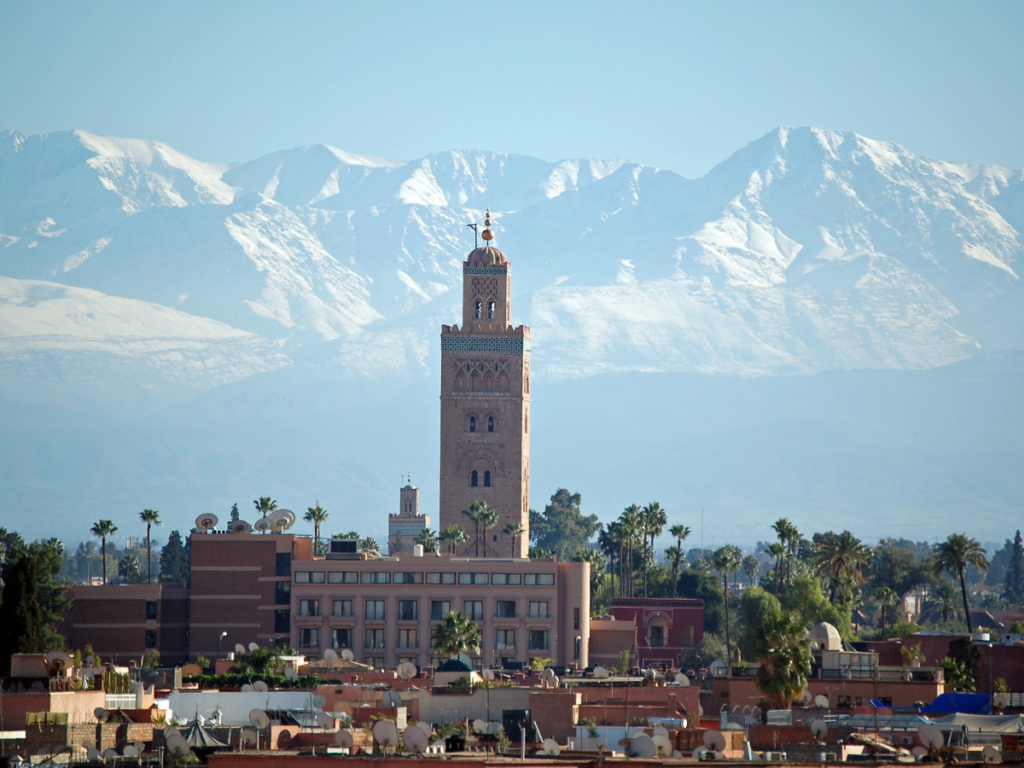
I have spent over a decade guiding travelers through my homeland as an Amazigh guide, and I can tell you this: the difference between visiting Morocco and truly experiencing it comes down to who you meet and how you travel. This guide will show you exactly what an authentic Morocco cultural experience looks like, where to find it, and how to plan your own journey.
What Is a Morocco Cultural Immersion Tour?
A cultural immersion tour is a style of private travel that puts people and traditions at the center of your itinerary, not just landmarks. Instead of rushing between famous sites, you slow down to meet local communities, take part in daily rituals, and understand how Moroccans actually live.
Here is how it compares to a standard sightseeing trip.
| Traditional Morocco Tour | Cultural Immersion Tour |
|---|---|
| Visit famous landmarks | Connect with local people |
| Take photos from a distance | Share real experiences |
| Follow a fixed itinerary | Discover hidden stories |
| Observe culture | Participate in culture |
On an immersion tour, you might spend a morning learning to make Amazigh bread instead of just walking past a bakery. You might sit with a nomadic family in the Sahara instead of taking a ten-minute camel photo stop. That shift, from watching to participating, is what makes the experience stay with travelers long after they go home.
Why Morocco Is Perfect for a Cultural Immersion Experience
Few countries pack this much cultural depth into one journey. Morocco sits at the crossroads of Amazigh, Arab, Andalusian, African, and Saharan influences, and each region carries its own traditions, dialects, and way of life.
Amazigh Heritage: The Ancient Culture of Morocco
The Amazigh (Berber) people are the indigenous inhabitants of North Africa, and their culture shapes much of rural Morocco today. Traveling through Amazigh regions, you will encounter:
- Mountain villages built from rammed earth and stone
- A deep-rooted hospitality tradition, where guests are treated as blessings
- Handwoven textiles, silver jewelry, and pottery passed down through generations
- Traditional architecture designed to stay cool in summer and warm in winter
Arab, Andalusian and African Influences
Morocco’s cities carry centuries of cultural exchange. Andalusian refugees brought intricate tilework and garden design. Trans-Saharan trade routes brought West African music, spices, and craftsmanship. Arab influence shaped language, cuisine, and religious architecture. Walking through Fes or Marrakech, you are walking through layers of this shared history.
The Sahara Nomadic Heritage
The desert is not empty. For centuries, nomadic communities have moved across the Sahara following water and grazing land, trading goods along ancient caravan routes. Their traditions of storytelling, music, and desert navigation are still alive today among the families who welcome travelers into their camps.
Authentic Experiences You Can Enjoy on a Morocco Cultural Immersion Tour
Stay With Local Communities in the Atlas Mountains
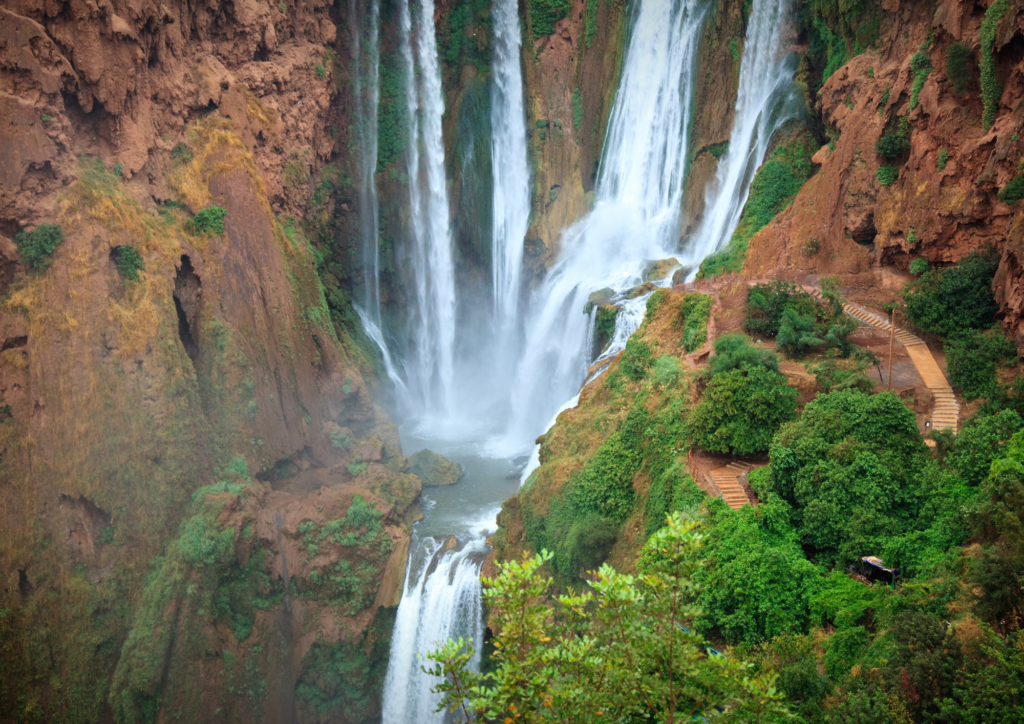
Spending a night in an Amazigh village in the High Atlas is one of the most grounding experiences you can have in Morocco. Expect:
- A warm welcome with mint tea and homemade bread
- A walk through the village with a local host
- A shared family meal, often tagine cooked slowly over charcoal
- Conversations about daily mountain life, farming, and traditions
Experience Moroccan Food Through Local Traditions
Food in Morocco is a cultural language of its own. A proper immersion goes beyond a one-hour cooking class:
- Visit a local souk to select fresh vegetables and spices
- Learn how ras el hanout and other spice blends are made
- Bake traditional bread in a communal clay oven
- Prepare a tagine or couscous with a Moroccan family
- Share the meal together, seated on low cushions, Moroccan style
Discover the Sahara Beyond the Camel Ride
Most visitors get a sunset camel ride and a night in a fixed camp. A cultural immersion trip goes further:
- Meet desert families and hear how they adapted to nomadic life
- Learn traditional navigation methods used before GPS existed
- Listen to Gnawa or Saharan music performed live around the fire
- Understand how climate and geography shaped desert customs
Explore Ancient Kasbahs and Heritage Villages
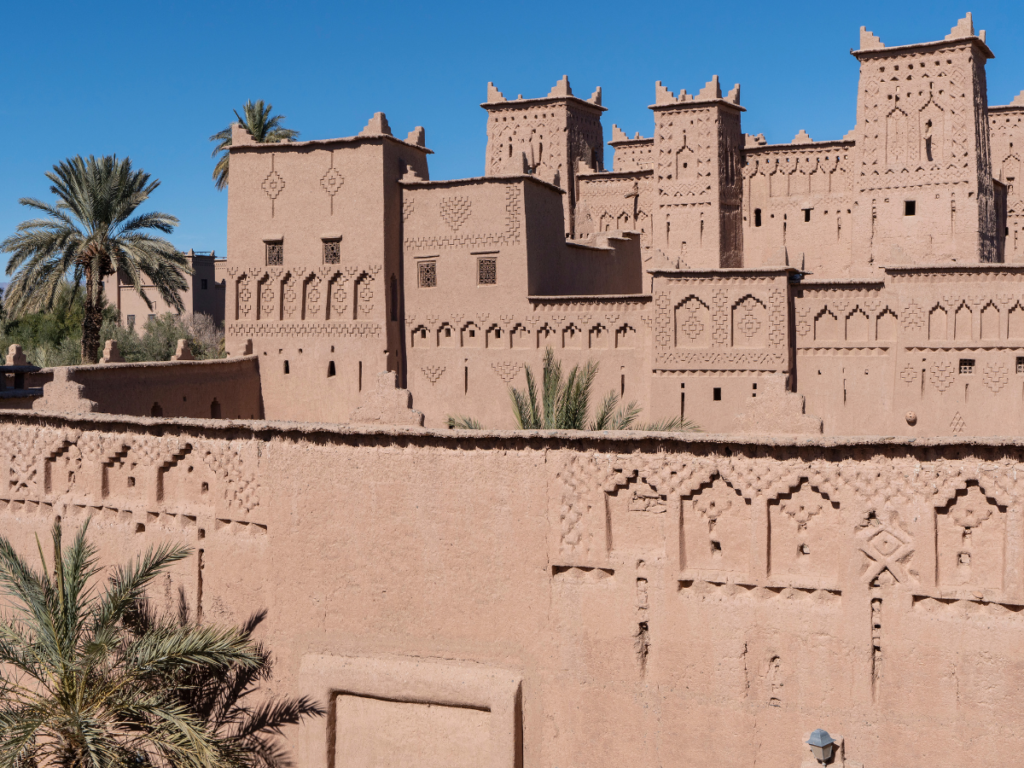
Sites like Aït Ben Haddou are far more than a photo stop. This fortified village sits along the old caravan route that once connected Marrakech to Timbuktu, and its earthen architecture has sheltered families for centuries. A knowledgeable guide can walk you through the history behind the walls, not just the walls themselves.
Hidden Cultural Destinations to Include in Your Morocco Journey
If you want an authentic Morocco travel experience away from the crowds, these regions deserve a place on your itinerary.
Aït Bouguemez Valley: Morocco’s Hidden Mountain Paradise Known locally as the “Happy Valley,” this remote region offers untouched Amazigh villages, terraced farmland, and some of the warmest hospitality in the country.
Imilchil: Discover Amazigh Traditions and Mountain Culture Famous for its annual marriage festival and strong tribal heritage, Imilchil remains one of the most culturally rich and least-visited areas of the Atlas Mountains.
Dades Valley: Life Between Mountains and Oases Between dramatic rock formations and palm oases, Berber villages here have farmed the same land for generations, growing roses, almonds, and dates.
Merzouga: The Cultural Side of the Sahara Beyond the dunes, Merzouga is home to desert communities who preserve Gnawa music traditions and nomadic heritage passed down through storytelling.
Example Morocco Cultural Immersion Tour Itinerary (8 Days)
- Day 1: Arrive in Marrakech, first connection with Moroccan culture
- Day 2: Atlas Mountains, Amazigh village experience
- Day 3: Aït Ben Haddou and traditional kasbahs
- Day 4: Lkhorbat to Aghbalou N krrdouss, local life and hidden landscapes
- Day 5: Merzouga desert, Sahara cultural experience
- Day 6: Desert traditions, music and nomadic stories
- Day 7: Fes, ancient crafts and Moroccan heritage
- Day 8: Departure with unforgettable memories
This route can always be adjusted based on how many days you have and what interests you most.
Why Choose a Private Cultural Immersion Tour in Morocco?
Group tours move on a fixed schedule that leaves little room for real connection. A private cultural tour gives you:
- A flexible itinerary that adapts to your pace and interests
- More natural, unhurried interactions with local families
- A private guide who can translate not just language, but context
- Comfortable travel logistics without rushing between stops
- Experiences tailored to what genuinely interests you, not a fixed script
Morocco Cultural Immersion Tours for Every Type of Traveler
Couples: Romantic riads, private desert evenings, and intimate cultural experiences away from crowds.
Families: Educational, hands-on activities and safe, welcoming interactions that give children a real sense of another culture.
Mature Travelers: A comfortable pace with authentic experiences and no need to rush between stops.
Solo Travelers: Meaningful human connection and local insight that is hard to find traveling alone without a guide.
Responsible Travel: Supporting Local Moroccan Communities
An authentic Morocco cultural experience should also be a responsible one. That means:
- Working directly with local guides instead of large foreign-owned agencies
- Supporting family-run guesthouses and businesses
- Visiting artisan cooperatives where craftspeople earn fair value for their work
- Choosing experiences that respect local customs and the environment
When you travel this way, your visit becomes part of what sustains these communities, not something that disrupts them.
Why Travel With Journey Via Morocco?
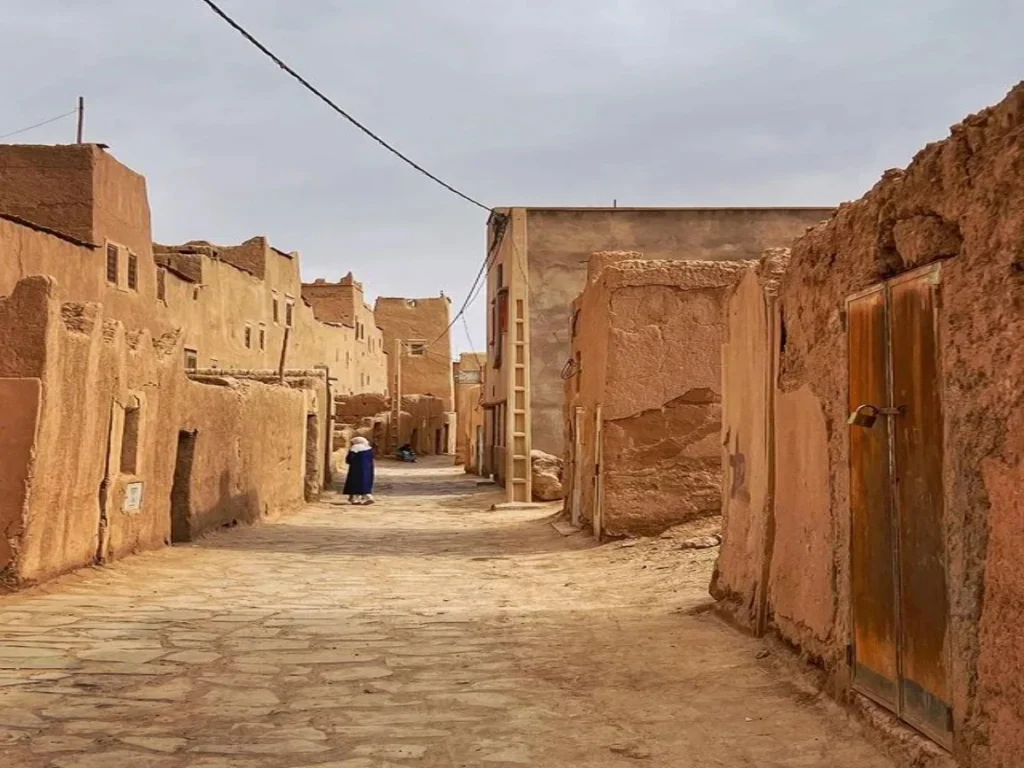
I built Journey Via Morocco because I wanted travelers to see my country the way I know it, not the version packaged for mass tourism. As an Amazigh guide with more than ten years of experience, I work directly with the families, artisans, and communities featured on these tours. There are no intermediaries and no generic itineraries copied from other agencies.
Our goal is not only to show you Morocco, but to help you understand it. Every journey is private, customized, and shaped around real cultural connection rather than a checklist of landmarks.
Frequently Asked Questions About Morocco Cultural Immersion Tour
What makes a Morocco cultural immersion tour different from a normal tour?
A cultural immersion tour focuses on connecting with local people and traditions, while a standard tour focuses mainly on visiting landmarks and taking photos.
How many days are ideal for a cultural trip to Morocco?
Most travelers find 7 to 10 days ideal, enough time to experience the Atlas Mountains, the Sahara, and at least one imperial city without rushing.
Can I visit authentic Moroccan villages?
Yes. Private tours can include stays or visits with Amazigh families in the Atlas Mountains and rural valleys, arranged respectfully through local hosts.
Is a cultural immersion tour suitable for families?
Yes. These trips can be adapted for children with hands-on activities like bread baking, craft workshops, and gentle village walks.
Can I combine a Sahara desert trip with cultural experiences?
Absolutely. Many itineraries pair a Sahara stay with visits to desert communities, Gnawa music performances, and nomadic heritage sites.
What is the best time for a cultural journey in Morocco?
Spring (March to May) and autumn (September to November) offer the most comfortable temperatures for both mountain and desert travel.
Start Planning Your Authentic Morocco Journey
Morocco reveals itself through its people, its traditions, and the stories passed down in its villages, not just its landscapes. If you want to experience the country this way, with a local Amazigh guide who can open doors that mass tourism cannot, reach out to Journey Via Morocco. We will design a private, fully customized cultural immersion tour built around what matters most to you.
