
Pyramids or the Sahara? Nile cruise or Atlas road trip? If you are weighing Egypt vs Morocco travel for 2027, you are choosing between two of the most memorable destinations in the world, both with ancient history, great food and that unmistakable North African energy. They are also very different trips, and the right choice depends on what you want from your holiday.
Our team in Marrakech plans trips across Morocco every day, and many of our guests have been to Egypt, or are deciding between the two. So this is an honest comparison: sights, costs, safety, food, flight times from the US and Europe, and who each country suits best. We love Egypt. We will also explain why Morocco is the better fit for certain travelers.
Egypt or Morocco: which is better? Choose Egypt if your priority is ancient monuments: the Giza pyramids, Luxor’s temples and a Nile cruise are unmatched. Choose Morocco if you want variety in one trip: living medinas, Sahara dunes, mountain villages, Atlantic coast and riad stays, with shorter flights from Europe and the US East Coast and visa-free entry for many passports.
Egypt vs Morocco travel at a glance
| Egypt | Morocco | |
|---|---|---|
| Signature sights | Giza pyramids, Grand Egyptian Museum, Luxor, Valley of the Kings, Abu Simbel | Fes and Marrakech medinas, Sahara (Erg Chebbi), Atlas Mountains, Ait Benhaddou, Chefchaouen |
| Trip style | Monument-focused, often with a Nile cruise | Road trip through varied landscapes, riads and desert camps |
| Visa (US, UK, EU, Australia) | Required; e-visa or visa on arrival, fee around US$25-30 | Visa-free stays of up to 90 days for these passports |
| Flight from London | About 5 hours to Cairo | About 3.5 hours to Marrakech |
| Flight from New York | About 11 hours nonstop to Cairo | About 7 hours nonstop to Casablanca |
| Best months | October to April | March to May, September to November |
| Currency | Egyptian pound (EGP) | Moroccan dirham (MAD) |
| Typical ideal length | 8 to 12 days | 7 to 12 days |
Visa rules change, so always check the official sources for your passport before booking.
Sights and experiences
Egypt: the greatest open-air museum on earth
Nothing compares to standing in front of the Great Pyramid of Giza or walking through the hypostyle hall of Karnak. The Grand Egyptian Museum near Giza, fully opened in late 2025, now displays the complete Tutankhamun collection. Further south, Luxor’s West Bank tombs, the temples of Edfu and Kom Ombo and the colossi of Abu Simbel make a classic Nile itinerary. Add the Red Sea for diving and snorkeling, and Egypt is a bucket-list trip for history lovers.
Morocco: living culture and dramatic landscapes
Morocco’s strength is variety. In a single week you can get lost in Fes el-Bali, the world’s largest car-free urban area, cross the High Atlas over the Tizi n’Tichka pass, sleep in a kasbah in the Dades Valley and watch sunrise over the dunes of Erg Chebbi at Merzouga. The monuments, from the Koutoubia Mosque to the Roman ruins of Volubilis, are impressive, but the main draw is daily life: the souks, the hammams, the Amazigh villages and the riads with their tiled courtyards. The Moroccan National Tourist Office’s official Visit Morocco site gives a good overview of the regions.

Cost comparison
Both countries offer excellent value compared with Europe or the US. Egypt is often slightly cheaper day to day, partly because of the weakened Egyptian pound, while Morocco has a wider range of mid-range boutique accommodation. Approximate prices for 2027:
| Item | Egypt (approx.) | Morocco (approx.) |
|---|---|---|
| Mid-range hotel or riad, per night | US$60-150 | US$70-180 |
| Local restaurant meal | US$5-15 | US$6-15 |
| Major site entry | Giza and the Grand Egyptian Museum are among the pricier tickets, typically US$15-40 each | Most monuments around 70-100 MAD (about US$7-10) |
| Private driver per day | Around US$80-150 | Around US$100-180 |
| Desert or Nile experience | Nile cruise, typically US$100-300+ per person per night | Sahara camp night, typically US$60-250 per person |
Tipping (baksheesh) is part of daily life in both countries, but many travelers find it more constant at Egyptian sites. In Morocco, a small tip for good service is appreciated rather than expected at every step.
Safety: what official advice says
Millions of visitors travel safely to both countries every year, and the main tourist areas are well policed. The official wording is different, though. The U.S. State Department currently asks travelers to exercise increased caution in Morocco, while its Egypt country page advises travelers to reconsider travel to Egypt due to terrorism, with the Sinai Peninsula at Level 4 “Do Not Travel”. The UK Foreign Office advice for Egypt advises against travel to North Sinai and parts of the Western Desert, while Luxor, Aswan and Abu Simbel are excluded from those warnings.
Day to day, the frustrations are similar: touts at major sites, pushy sellers and taxi negotiations. Morocco’s medinas are busy, but the country’s road trip format, with long stretches through quiet mountains and desert, tends to feel calmer for many visitors.
Food and drink
Egyptian food is hearty and affordable: koshari (rice, lentils, pasta and spicy tomato sauce), ful medames, ta’ameya (fava bean falafel), molokhia and grilled pigeon. Moroccan cuisine is often considered one of the great world cuisines: slow-cooked tagines with preserved lemon, Friday couscous, pastilla, harira soup, mechoui lamb and endless mint tea.
For vegetarians, both countries are easy. In Morocco our drivers know roadside restaurants in the Atlas and the Draa Valley that cook vegetable tagines to order. Alcohol is available in licensed hotels and restaurants in both countries, and Morocco produces its own wines near Meknes.
Flight times and getting there
From Europe, Morocco is a short hop. Marrakech, Fes, Agadir, Tangier and Casablanca are served by many airlines, with flights of roughly 3 to 3.5 hours from London and Paris. Cairo and Luxor are around 4 to 5 hours from western Europe.
From the United States, Royal Air Maroc flies nonstop to Casablanca from several East Coast cities including New York, and has announced expansion to more US cities; flying time from New York is about 7 hours. EgyptAir flies nonstop from New York to Cairo in around 11 hours. From Australia and Asia, both are usually reached with one stop via the Gulf, and Egypt is slightly closer.
Once in the country, travel works differently. Egypt itineraries often rely on domestic flights or a Nile cruise between Cairo, Luxor and Aswan. Morocco is best explored overland with a private driver, combined with the Al Boraq high-speed train between Tangier, Rabat and Casablanca.
Who should choose Egypt, and who should choose Morocco
Egypt is best for
- Travelers whose dream is pharaonic history, tombs, hieroglyphs and the pyramids.
- Anyone who wants a relaxed Nile cruise with sights delivered to the riverbank.
- Divers and beach lovers (Red Sea resorts like Hurghada and Marsa Alam).
- Winter sun seekers who want warm days from November to March.
Morocco is best for
- First-time visitors to North Africa who want variety without long internal flights.
- Couples and honeymooners looking for boutique riads and a night in a luxury desert camp.
- Families: shorter drives broken up by villages, camel rides and pools. See our 12-day Morocco family holiday.
- Short-break travelers from Europe; a long weekend in Marrakech is realistic.
- Hikers, photographers and food lovers who want mountains, dunes, coast and cooking classes in one trip.
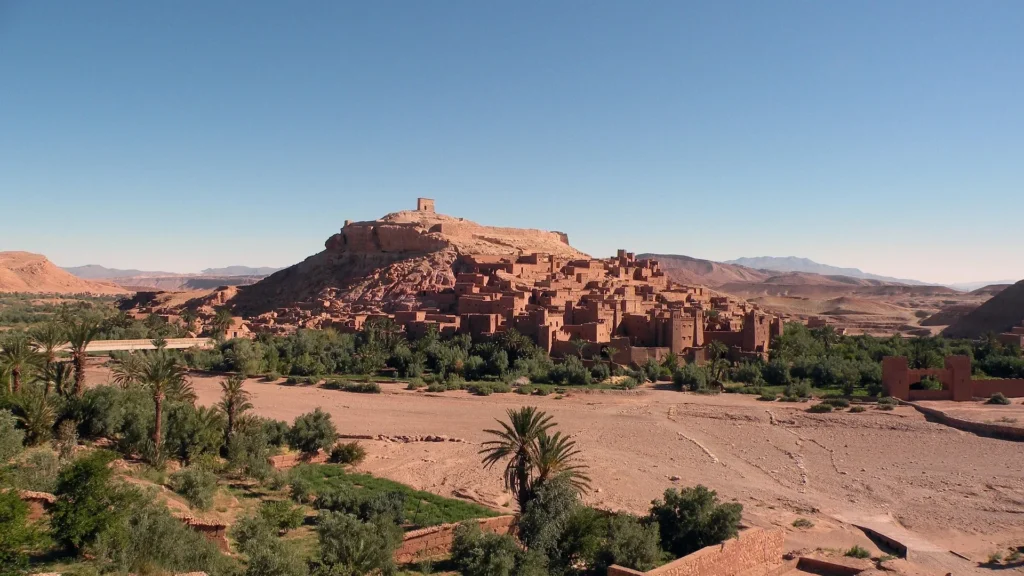
Why Morocco fits so many travelers
When guests ask us about Egypt vs Morocco travel, we usually ask what they want to feel at the end of the trip. If the answer is “I saw the wonders of the ancient world”, Egypt is hard to beat. If the answer is “I lived a different rhythm, slept under the Sahara sky and met people”, Morocco is often the better match.
Morocco also suits private travel especially well. Distances are manageable, roads are good, and a private driver lets you stop at an argan cooperative, a Berber family’s home or a viewpoint over the Todra Gorge whenever you like. A first trip often follows our 7-day Marrakech to Merzouga desert tour, or the private tours from Casablanca for travelers arriving on transatlantic flights. And of course, many travelers do both countries, on different trips.
Plan your trip with a local team
Still deciding? Tell us how many days you have, when you want to travel and what excites you most, and our team in Marrakech will suggest an honest Morocco itinerary, including whether your dates suit the desert. You can start with our Morocco travel guide or send your plans through our tour request form for a free, no-obligation proposal.
Frequently Asked Questions
Is Morocco or Egypt better for a first trip?
Both work for a first trip to North Africa. Egypt is best if ancient monuments are your priority, with the pyramids, Luxor and a Nile cruise. Morocco suits travelers who want variety in one itinerary, from medinas and riads to the Atlas Mountains and the Sahara, with shorter flights from Europe and visa-free entry for many passports.
Is Morocco more expensive than Egypt?
Morocco is usually a little more expensive day to day, mainly for accommodation and private transport, while Egypt’s weaker currency keeps meals and local costs low. Entry tickets to Egypt’s headline sites, such as Giza and the Grand Egyptian Museum, cost more than most Moroccan monuments. Overall, both offer good value compared with Europe or the US.
Do I need a visa for Egypt and Morocco?
Citizens of the US, UK, EU countries, Canada and Australia can usually visit Morocco visa-free for up to 90 days. Egypt requires a visa for these nationalities, available as an e-visa or on arrival, with a single-entry fee reported at around US$25-30. Rules can change, so check official government sources for your passport before booking.
Can you combine Egypt and Morocco in one trip?
Yes, but it takes time. There are flights between Cairo and Casablanca, operated by EgyptAir and Royal Air Maroc, taking roughly five hours. Most travelers need at least two weeks to enjoy both properly, for example a week on the Nile and a week in Morocco. Many people find it more rewarding to visit each country on separate trips.