
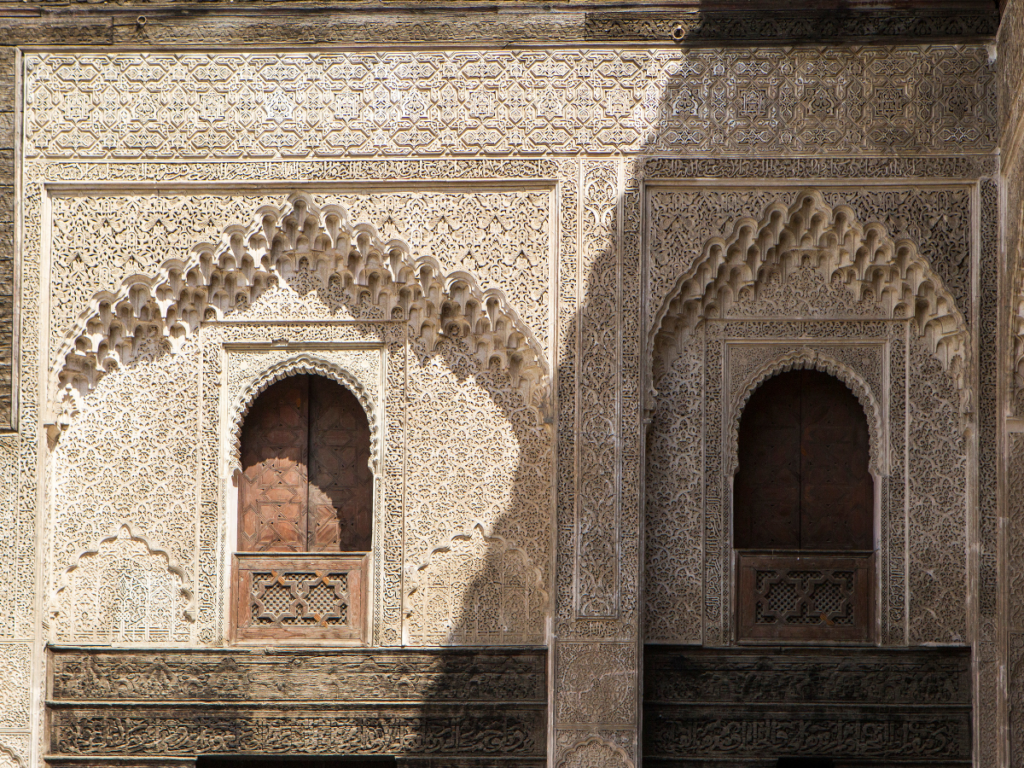
Discover the Hidden Jewish Heritage of Morocco
Jewish heritage tours in Morocco open the door to one of the oldest continuous Jewish stories in the world, a history that stretches back more than two thousand years, long before Islam arrived in North Africa. As an Amazigh guide who has spent over a decade leading travelers through Morocco’s imperial cities, mountain valleys and desert routes, I have walked through the same Mellahs, prayed in the same synagogues, and sat with the same families who kept this heritage alive for generations. This is not a museum tour. It is a living journey through Marrakech, Fes, Essaouira and Casablanca, where ancient Jewish quarters, historic synagogues, sacred shrines and centuries of Amazigh, Arab and Jewish coexistence still shape daily life.
For Israeli travelers reconnecting with family roots, for descendants of Moroccan Jewish communities, and for history lovers curious about a rare example of religious coexistence in the Arab world, Morocco offers something few other destinations can: heritage you can touch, taste and hear, not just read about.
Why Morocco Is a Unique Destination for Jewish Heritage Travel
Jewish presence in Morocco dates back over 2,000 years, with some historians tracing early settlement to the period following the destruction of the First Temple. Over centuries, Moroccan Jewish communities grew into some of the most influential in the Jewish diaspora, producing rabbis, scholars, merchants and craftsmen who shaped the country’s economy and culture.
Moroccan Jewish traditions have traveled far beyond Morocco’s borders. You can hear their influence in:
- Music: Judeo-Andalusian melodies still performed in Marrakech and Fes
- Food: Dishes like dafina and mofletta that blend Jewish and Moroccan Amazigh cooking
- Architecture: The distinctive Mellah quarters with their tall houses and interior courtyards
- Festivals: Mimouna celebrations and pilgrimages to the tombs of tzaddikim
- Family traditions: Oral histories passed down through generations, many now returning to Morocco to trace them
What makes Morocco genuinely rare is royal protection. Moroccan sultans and kings historically granted Jewish communities protected status, and this legacy continued through the 20th century, including during World War II when Morocco’s monarchy resisted pressure to deport its Jewish population. That history of coexistence is something I explain in detail to every traveler who joins one of our heritage routes, because it is the context that makes every synagogue and cemetery visit meaningful rather than just historical.
The heritage cities worth prioritizing on any Jewish heritage tour are Marrakech, Fes, Essaouira, Casablanca and Meknes, each offering a different layer of this story.
The Most Important Jewish Heritage Sites in Morocco
Fes: The Spiritual Heart of Moroccan Jewish History
Fes holds the oldest and most historically significant Mellah in Morocco, established in 1438 and among the first purpose-built Jewish quarters in the Arab world. Inside its narrow streets stands the Ibn Danan Synagogue, a 17th-century synagogue restored with support from UNESCO, still containing its original wooden ark and hand-painted ceilings. Nearby, the old Jewish cemetery holds thousands of whitewashed tombs, some belonging to renowned rabbis whose graves still draw pilgrims today.
Fes was historically a center of Talmudic scholarship and Jewish learning, and many Moroccan rabbinic families trace their intellectual roots to this city. Walking through the Mellah with a local guide who understands the layout and history changes the experience completely, since most of these sites carry no signage for casual visitors.
Marrakech: Jewish Heritage in the Red City
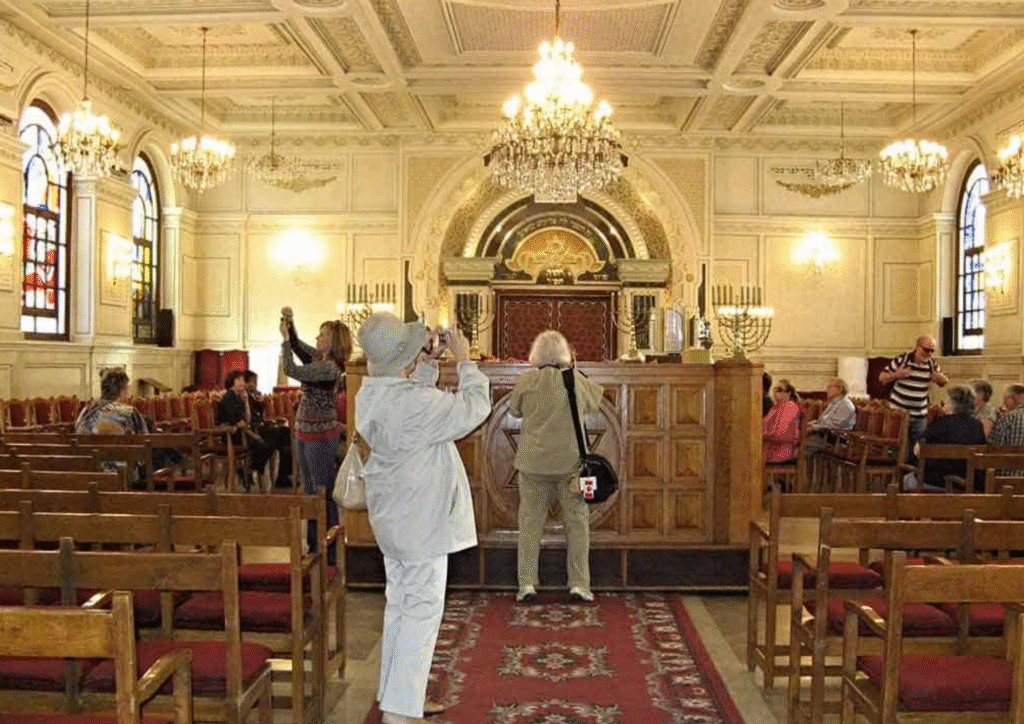
The Marrakech Mellah, tucked beside the Kasbah, was once home to one of the largest Jewish populations in Morocco. The Lazama Synagogue, built around a peaceful central courtyard, remains active and welcomes visitors respectful of its ongoing religious use. Jewish merchants in Marrakech played a central role in trans-Saharan trade, dealing in spices, textiles and precious metals, and their commercial networks helped shape the city’s economic development for centuries.
Today, a walk through the Mellah reveals spice shops, silverwork stalls and courtyard riads that once belonged to Jewish families, many still recognizable by their architectural details.
Essaouira: The Atlantic City of Jewish and Moroccan Culture
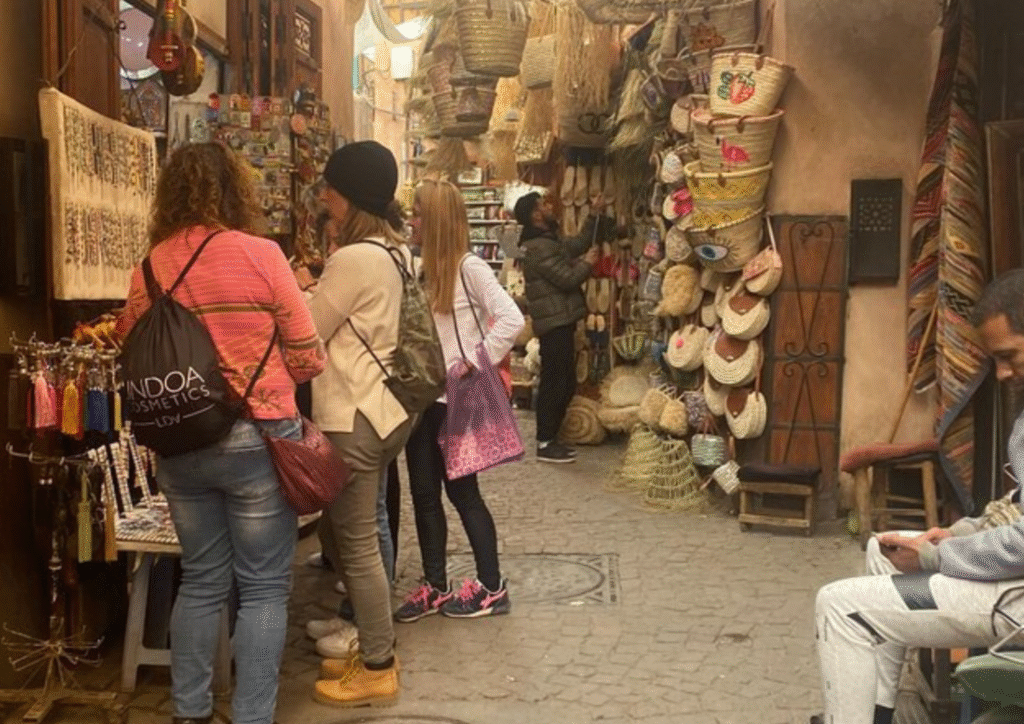
Essaouira, once called Mogador, had a Jewish population that at times exceeded half the city’s residents. Jewish merchant families here built international trade relationships stretching to Europe and beyond, and their influence is still visible in the city’s layout, its port history and its multicultural character. Bayt Dakira, the House of Memory, is a restored synagogue and cultural center dedicated to preserving this legacy, alongside one of the largest and most well-kept Jewish cemeteries in Morocco.
Essaouira’s relaxed Atlantic coast atmosphere makes it one of the most rewarding stops on a heritage route, combining history with genuinely beautiful surroundings.
Casablanca: Modern Jewish Heritage
Casablanca represents the contemporary chapter of this story. The Beth-El Synagogue remains active, and the city is home to the Museum of Moroccan Judaism, the only Jewish museum in the Arab world. Casablanca also serves as the practical gateway for most international travelers arriving in Morocco, making it a natural starting or closing point for a heritage journey.
14-Day Jewish Heritage Tour Morocco Itinerary
| Days | Region | Highlights |
|---|---|---|
| 1–3 | Marrakech | Arrival, Mellah exploration, Lazama Synagogue, local cuisine and culture |
| 4–6 | Marrakech to Sahara | Ait Ben Haddou Kasbah, Ouarzazate, Dades Valley, Merzouga Desert camp |
| 7–9 | Fes and Meknes | Ibn Danan Synagogue, Jewish cemetery, ancient Mellah of Fes |
| 10–12 | Rabat and Casablanca | Historic neighborhoods, Jewish cultural landmarks, local experiences |
| 13–14 | Essaouira and return | Bayt Dakira, Jewish cemetery, Atlantic coast, departure from Marrakech |
This itinerary balances heritage sites with the landscapes that define Morocco: the High Atlas mountains, the Sahara dunes near Merzouga, and the Atlantic coastline. Every route we build can be shortened or extended depending on how much time travelers want to dedicate to research, family history, or simply resting between destinations.
More Than History: Experience the Living Culture of Morocco
A Jewish heritage tour in Morocco is not only about visiting old buildings and cemeteries. It is about experiencing a culture that is still alive. On our journeys, travelers often share a traditional Moroccan meal with a local family, learn about Amazigh Berber customs in the Atlas Mountains, spend a night under the stars in a Sahara desert camp, and wander through markets where Jewish and Muslim artisans have worked side by side for generations.
The Jewish heritage of Morocco is not only found in museums and old buildings. It is alive through traditions, stories and local connections that continue today.
Why Choose a Private Jewish Heritage Tour in Morocco?
Local Expertise As a Moroccan guide with deep roots in this country, I bring context that guidebooks cannot. Knowing which door leads to a working synagogue, which cemetery caretaker holds the real history, and which family still bakes traditional Mimouna sweets makes the difference between a checklist tour and a genuine journey.
Personalized Experience Every traveler has different priorities. Some want to trace specific family names in Mellah records. Others want a broader cultural overview combined with desert and mountain scenery. A private itinerary adapts to both.
Comfort and Authenticity Private transportation, carefully selected riads, and access to sites and families that group tours rarely reach.
A Meaningful Journey For many travelers, this trip becomes personal, connecting them to family histories, ancestral towns, and stories passed down for generations.
Best Time to Visit Morocco for a Jewish Heritage Tour
- Spring (March to May): Comfortable temperatures, ideal for both cities and the Sahara
- Autumn (September to November): Mild weather, excellent for walking tours through Mellahs and medinas
- Winter (December to February): Cooler city temperatures but excellent conditions for desert camps and clear night skies
I generally recommend spring or autumn for travelers who want to combine heritage sites with comfortable walking through old city quarters, since summer heat in Marrakech and Fes can be intense.
FAQ Aboute Jewish Heritage Tours in Morocco
Is Morocco safe for Jewish travelers?
Yes. Morocco has a long history of protecting its Jewish communities, and Jewish heritage sites across Marrakech, Fes, Essaouira and Casablanca are actively maintained and open to visitors. As with any international travel, standard precautions apply, and a knowledgeable local guide adds an extra layer of comfort and access.
What are the best Jewish heritage sites in Morocco?
The most significant sites include the Ibn Danan Synagogue and Mellah in Fes, the Lazama Synagogue in Marrakech, Bayt Dakira in Essaouira, and the Museum of Moroccan Judaism and Beth-El Synagogue in Casablanca.
Can Israeli citizens travel to Morocco?
Morocco and Israel have maintained diplomatic and travel relations, and Israeli citizens regularly visit Morocco for heritage tourism. Entry requirements can change, so it is worth confirming current visa and flight arrangements before booking.
How long should I spend on a Jewish heritage tour in Morocco?
Most travelers spend between 10 and 14 days to comfortably cover Marrakech, Fes, Essaouira, Casablanca and the Sahara Desert without rushing between sites.
Can I combine Jewish heritage with a Sahara Desert experience?
Yes. Our 14-day itinerary is built specifically to combine Mellah visits, historic synagogues and cemeteries with a night in a Sahara desert camp near Merzouga, along with stops in the Atlas Mountains and Dades Valley.
Begin Your Private Jewish Heritage Journey in Morocco
Morocco’s Jewish heritage is best understood in person, walking through the same Mellahs, synagogues and family courtyards that have carried this history for centuries. At Journey Via Morocco, we design private, locally guided heritage journeys that combine history, culture, comfort and authentic Moroccan hospitality. If you are ready to trace this story through Marrakech, Fes, Essaouira and the Sahara, we would be glad to help you plan a route built around what matters most to you.
