
Have you ever tasted a dish so full of flavor it tells a story? In Morocco, every meal is a lesson in history, a taste of the land, and a welcome into a family. This journey Traditional Moroccan Food and Berber Culture is about more than just what’s on your plate. It’s an invitation to explore the heart of the Maghreb, where flavor and love are the same language. Here, we’ll meet the Imazighen, the “Free People” or Berbers, whose roots in this land stretch back over 10,000 years.
To truly understand Morocco, you must eat like a local. It’s not just a way to save money; it’s the only way to get a real taste of the country’s soul. Forget the tourist traps and get ready for a delicious adventure that connects you to the ancient traditions of the Berber people.
The Foundation: Bread as the Lifeblood of the Table
In Morocco, bread is more than just a side dish it’s the main utensil. At almost every meal, you’ll find a basket of warm Khobz (also known as kesra or agroum). Instead of using a fork, you tear off a piece and use it to scoop up savory tajines and mop up rich sauces. It’s the first lesson in understanding Journey Traditional Moroccan Food and Berber Culture: food is meant to be shared and enjoyed with your hands.
The way this bread is made is a tradition in itself. Picture a rustic, wood-fired Berber bakery, where the baker slaps the dough directly onto the hot oven walls. The air is filled with the scent of fresh bread made from a variety of flours, including white, semolina, whole wheat, and even barley.
While Khobz is the everyday staple, Moroccan bread comes in many forms:
- Msemen: A flaky, layered pancake that’s often eaten for breakfast with honey or cheese.
- Harsha: A pan-fried bread made from semolina that has a slightly gritty, satisfying texture.
- “Berber Pizza” (Medfouna): Found in the desert, this is a stuffed flatbread filled with meat, onions, and spices, then cooked directly in the hot sand.
The Pillars of the Moroccan Kitchen
Two dishes stand as the unshakable pillars of Moroccan cuisine: the Tajine andCouscous. They are central to understanding the interplay between Journey Traditional Moroccan Food and Berber Culture
The Versatile Tajine
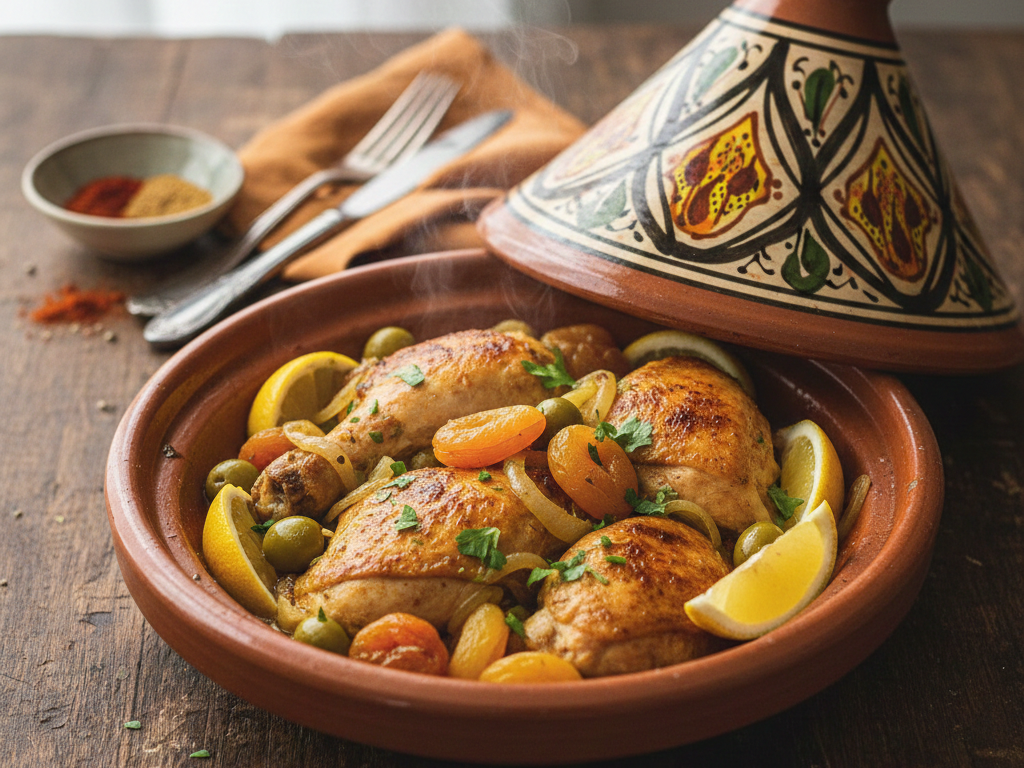
The word Tajine refers to two things: the iconic cone-shaped ceramic pot and the slow-cooked, fragrant stew that’s cooked inside it. The pot’s unique design traps steam, which then drips back down into the dish, keeping the meat and vegetables incredibly moist and tender without needing much water a clever invention for a dry climate.
When a tajine is served, it’s placed in the center of the table for everyone to share. The etiquette is simple and beautiful. You eat only from the small “triangle” of food directly in front of you. The meat in the center is considered a treasure, and your host will often ensure it is divided equally among the guests, a true sign of Moroccan hospitality.
Couscous: The Friday Ritual
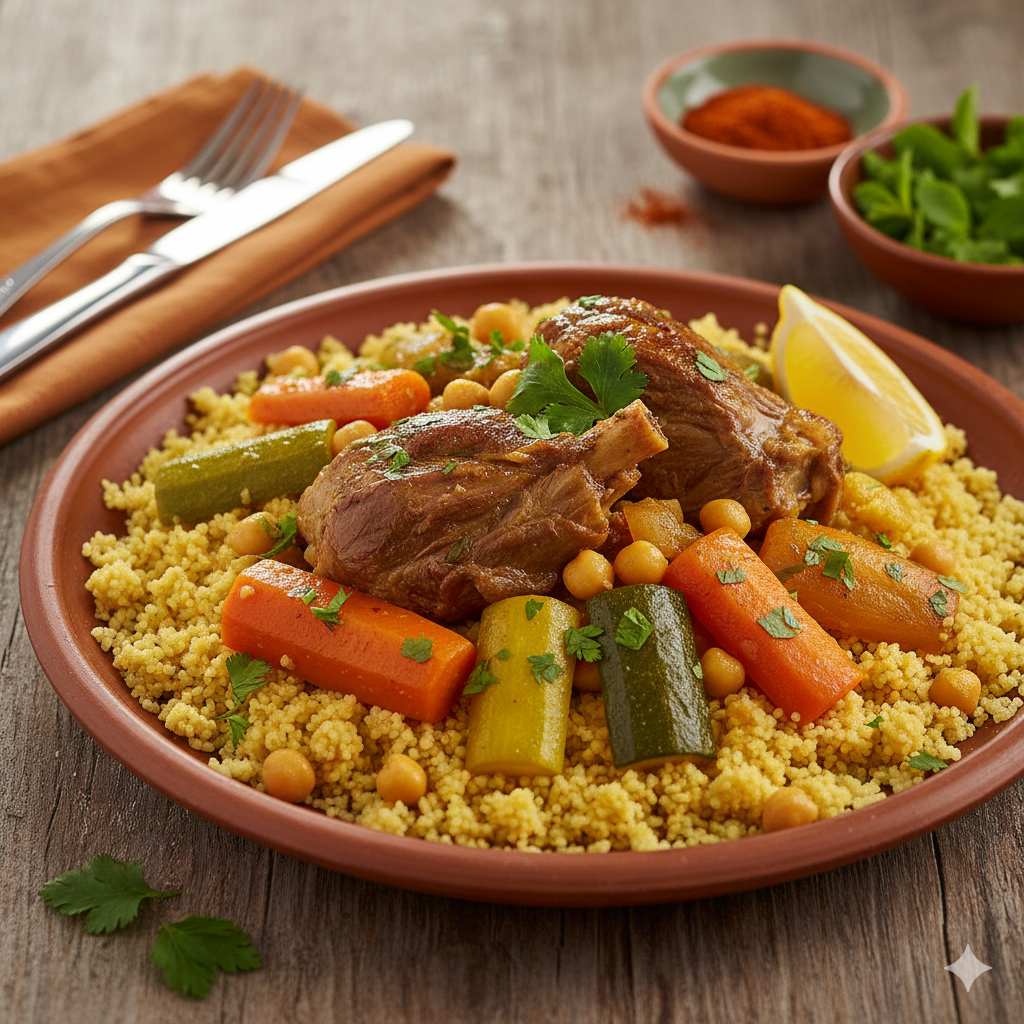
While tajines are an everyday delight, couscous is a dish of celebration, traditionally served for lunch on Friday after prayers. Making it is a labor of love. The tiny grains are not boiled but carefully steamed for two to three hours over a simmering broth of meat and vegetables. This slow process allows the couscous to absorb all the wonderful aromas, becoming light, fluffy, and deeply flavorful.
In the remote Dades Valley, you might encounter a Nomadic Variation of couscous. During treks through the mountains, the Imazighen gather wild alfalfa and fresh green figs to create a simpler, earthier version of the dish that speaks to their connection with the land.
The Spirit of the Maghreb: Berber Heritage and Way of Life
Architecture and Home Life
For centuries, many Berbers lived in ksars enormous, fortified mud-brick castles that could rise 50 feet into the air. These incredible structures were designed to protect entire communities, with homes, mosques, and markets all contained within their thick walls.
In other areas, like the Dades Valley, you’ll find families living a life of fierce independence in Nomadic Cave Dwellings. These homes, carved directly into the sandstone cliffs, are a testament to the Berber spirit of self-reliance and harmony with nature.
The Rural Agrarian Lifestyle
berber cuisine a study of regional ingredients and methods
Life in the mountains moves at a different pace. In the Atlas Mountains, you might encounter farmers whose lives revolve around self-sufficiency. They cultivate barley, nuts, beans, and other crops, relying on the land to provide everything they need. This agricultural system is the backbone of the community and the source of the fresh ingredients that give the food its distinctive flavor.
Women are often the guardians of this system. The maternal influence is strong; women manage the livestock, tend the fields, and undertake the arduous traditional cooking process, which takes many hours and has been passed down through generations.
The Art of Hospitality and Daily Rituals
In Morocco, a guest is a gift from God, and hospitality is a sacred duty. This is most beautifully expressed through the daily rituals that punctuate life. Journey into Traditional Moroccan Food and Berber Culture
The Tea Ceremony
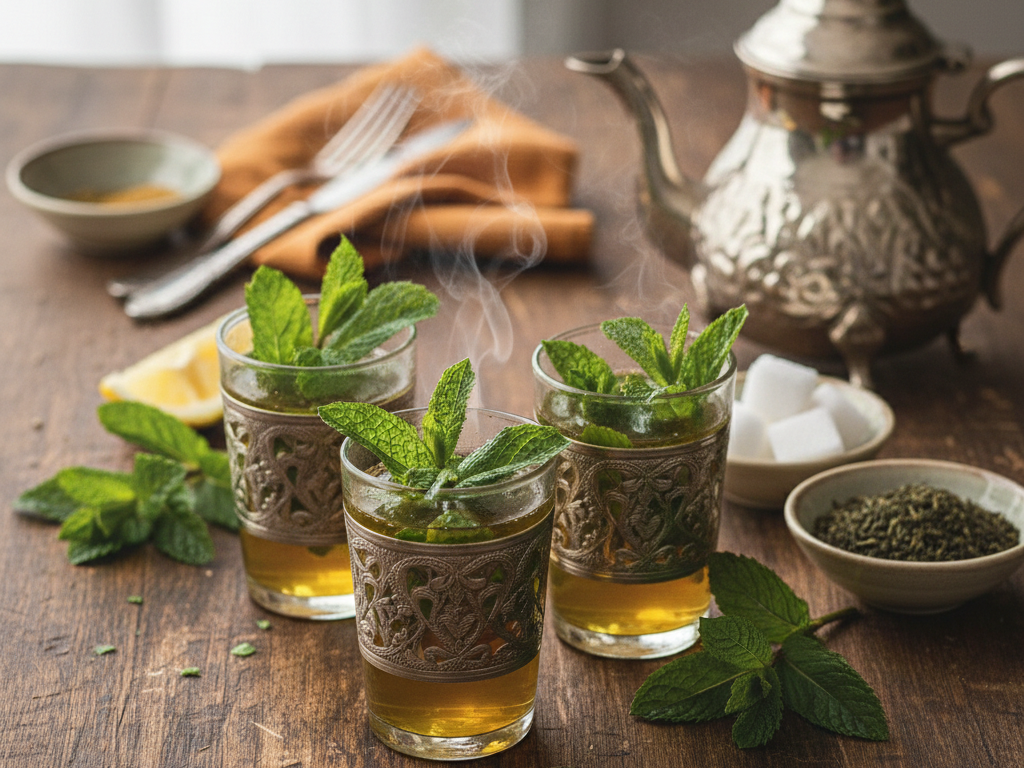
You will inevitably be invited for Moroccan mint tea. It’s more than just a drink; it’s a ceremony. The host pours the sweet, green tea from a great height, creating a frothy head in the small glasses. This aerates the tea and is also a sign of respect. You will be offered three glasses, and it’s polite to accept them all. This ritual is tied to the “Inshallah” (God willing) philosophy a relaxed acceptance that everything happens in its own time, and there is always time to welcome a guest.
Traditional Breakfasts
A Moroccan breakfast is a feast of flavors and textures designed to fuel you for the day. You might find:
- Berber Omelettes: Cooked and served in a small tajine with tomatoes, onions, and spices.
- Bissara: A hearty and savory fava bean soup, drizzled with olive oil and sprinkled with cumin.
- Amlou: The “Moroccan Nutella,” a delicious spread made from roasted almonds, pure honey, and precious Argan oil.
- Harcha (or Harsha) is a popular Moroccan pan-fried semolina flatbread, known for its soft, cake-like interior and slightly rough, golden exterior, commonly served for breakfast or tea with butter, honey, or jam
A Regional Tasting Tour: Local Specialties and Street Food
Every region in Morocco has its own culinary signature. Journey into Traditional Moroccan Food and Berber Culture
- The Marrakech Experience: In the bustling heart of Marrakech, you must tryTanjia. This is a rich meat dish packed into a clay urn and slow-cooked for hours in the embers of a local hammam (bathhouse). You should also seek out Mechoui, a whole lamb or sheep roasted until the meat is fall-off-the-bone tender.
- Coastal Sustainable Eating: Head to the windy city of Essaouira, where the fishing boats bring in the daily catch. The fresh fish markets and oyster stalls offer a taste of the Atlantic.
- Street Snacks and Curiosities: Be brave and try some local street food!
- Snail Soup: Babbouche A warm, spiced broth believed to have medicinal properties, especially popular in winter.
- Sfinge: Golden, deep-fried doughnuts that are crispy on the outside and chewy on the inside.
- Briouat: Small, triangular pastries that can be sweet (filled with almonds and honey) or savory (filled with meat or cheese).
The Enduring Tapestry of Morocco
As our journey ends, it’s clear that Journey into Traditional Moroccan Food and Berber Culture are threads woven from the same cloth. The history of the Imazighen, the challenges of the landscape, and the spirit of community all come together on the shared plate.
To truly understand Morocco is to experience it like entering a Berber Castle (Ksar). The ancient, heavy walls represent the deep history and powerful architecture. Inside, the dark, smoke-filled rooms are where the culinary magic is prepared with time-honored techniques. And finally, you are led to the high, decorated terrace the peak of hospitality where tea is poured, stories are shared, and you are no longer a visitor, but family. The enduring spirit of the Berber people is found in this simple act of sharing, a tradition that sustains them through changing ties.
Are you ready to taste Journey Traditional Moroccan Food and Berber Culture the true soul of Morocco with Us? Your culinary adventure awaits!
What is traditional Moroccan food?
Moroccan cuisine centers on tajine (slow-cooked stew in a cone-shaped pot) and couscous (steamed grains traditionally served Fridays). Bread (Khobz) is the main utensil you tear it to scoop up food. Regional favorites include Tanjia (meat cooked in clay urns), roasted lamb, Berber Pizza, and street snacks like fried doughnuts and honey-almond pastries.
What is Berber culture in Morocco?
Berber culture (also called Amazigh culture) represents Morocco’s indigenous people with over 10,000 years of history. Berber traditions include living in fortified ksars (mud-brick castles), Berber hospitality rituals, the famous Moroccan mint tea ceremony, and traditional Berber cooking methods. The Imazighen people practice self-sufficient agriculture in the Atlas Mountains and maintain strong cultural identity through language, food, and family traditions
What is Berber food and cuisine like?
Berber food is rustic, authentic North African cuisine using farm-to-table ingredients: barley, almonds, fava beans, and seasonal vegetables. Traditional Berber dishes include wood-fired Khobz bread, Berber omelettes in tajines, nomadic couscous with wild herbs, Medfouna (Berber Pizza cooked in sand), Bissara soup, and Amlou spread (almonds, honey, argan oil). Berber cooking methods are time-intensive, using clay pots, traditional ovens, and ancestral recipes preserved for generations.
Are Moroccans Arab or Berber (Amazigh)?
Moroccans are primarily of Berber (Amazigh) descent the indigenous people of Morocco and North Africa for 10,000+ years. While many modern Moroccans have mixed Arab-Berber heritage, Berber identity and Amazigh culture remain central to Morocco, especially in the Atlas Mountains, Sahara Desert, and rural regions. Berber language (Tamazight), Berber food, and Berber traditions are integral to Moroccan national identity.