
Most travelers rush off to Marrakech, Fes, or the Sahara and honestly, fair enough. But if you want to discover a side of Morocco that still feels real, unhurried, and absolutely breathtaking, Tafraoute Morocco deserves a permanent spot on your bucket list. Tucked deep inside the Anti-Atlas Mountains at about 1,200 meters above sea level, this small Berber town is ringed by towering pink granite boulders, ancient palm groves, and villages where life moves at its own quiet, beautiful rhythm.
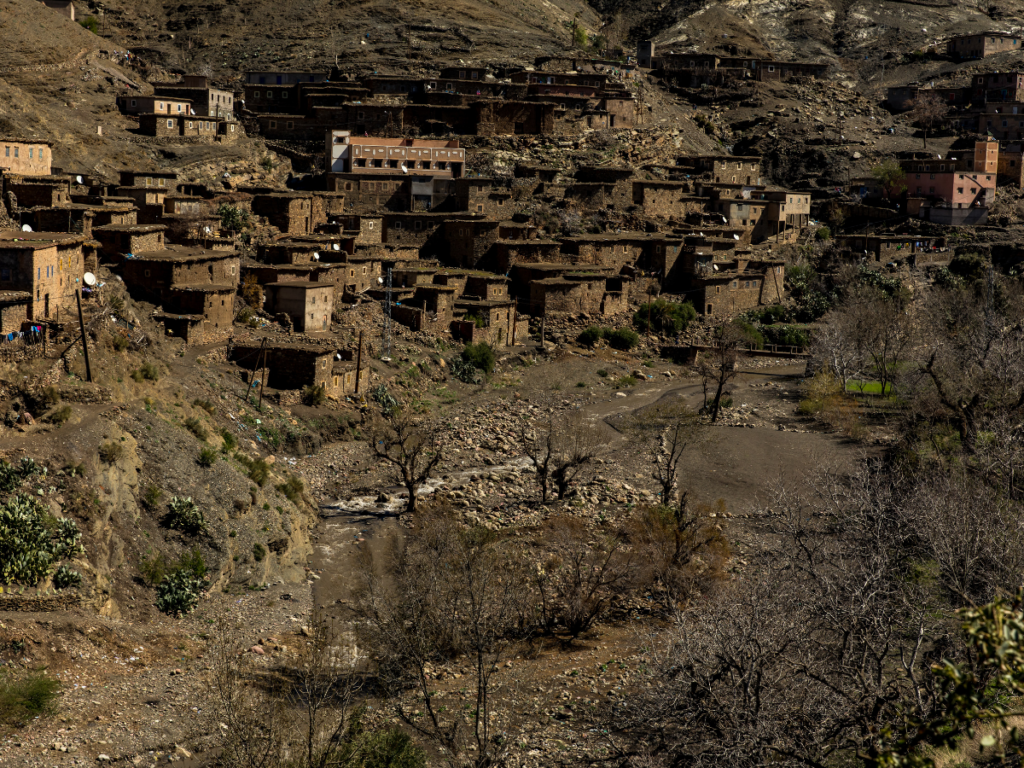
There are no tour buses crowding the streets here. No one is trying to hustle you into a carpet shop. What you get instead is golden light bouncing off salmon-colored rock, the sweet scent of almond blossoms drifting through the air in February, and warm smiles from the Amazigh (Berber) people who call this valley home. Whether you are a hiker, a photographer, a culture lover, or simply someone who needs to breathe again, the things to do in Tafraoute will surprise you at every turn.
This complete guide covers all 22 best activities, a practical itinerary, transport tips, where to sleep, and everything else you need to plan a perfect trip.
Where Is Tafraoute and Why Visit It?
Location in the Anti-Atlas Mountains
Tafraoute sits in the heart of the Anti-Atlas mountain range in the Souss-Massa region of southern Morocco. It is roughly 3 hours south of Agadir via Tiznit and about 5 to 7 hours from Marrakech via the dramatic Tizi n’Test pass. The town rests inside the Ameln Valley a lush, fertile bowl surrounded on all sides by enormous granite formations that glow pink, orange, and deep red depending on the time of day.
What Makes Tafraoute Special
A few things make Tafraoute genuinely stand out from every other destination in Morocco:
- Granite rock formations: The landscapes here look like a sculptor went wild with rose-colored stone. Rounded boulders the size of houses balance on ridges, and weird natural sculptures dot every hillside.
- Authentic Amazigh (Berber) culture: The people of the Ameln Valley belong to the Chleuh Berber community, and their language (Tachelhit), food, music, and crafts are deeply alive here not a performance for tourists.
- Less crowded destination: Even in peak season, Tafraoute stays refreshingly calm. You can hike for hours and not see another traveler. That alone is worth the journey.
Best Time to Visit Tafraoute
September through May is ideal for visiting, with mild temperatures perfect for hiking and exploring. February is the crown jewel of the calendar the entire valley turns white and pink during the annual Almond Blossom Festival, one of the most photogenic events in all of North Africa. Avoid July and August unless you enjoy 40-degree heat.
Best Things to Do in Tafraoute: The Complete 22-Activity Guide
Ready to explore? Here are all the best things to do in Tafraoute from iconic landmarks to hidden gems most travel blogs never mention.
1. Explore the Painted Rocks (Les Rochers Peints)
This is the one attraction everyone asks about first, and it absolutely delivers. In 1984, Belgian artist Jean Verame used 18 tonnes of paint to transform a sprawling field of granite boulders into a surreal open-air art installation. The rocks are painted in deep blue, violet, red, and ochre colors that look almost alien against the desert landscape. You can reach them by car or hire a bike in town for a scenic 5-km ride. Go in the morning when the light is soft and the colors pop.
Pro Tip: Bring water and a wide-angle lens. The painted area is larger than it looks in photos.
2. Hike Through the Ameln Valley
The Ameln Valley stretches across the northern face of Jbel Lkest and contains 26 traditional villages linked by ancient footpaths. A half-day hike connecting Oumesnat, Tazka, and Aguerd-Oudad gives you sweeping views of the valley floor, terraced almond orchards, and rock faces that glow like embers at sunset. This is one of the best things to do in Tafraoute for anyone who loves being on their feet.
3. Visit the Traditional Berber Villages
The villages of the Ameln Valley are living museums. Oumesnat and Tazka both feature La Maison Traditionnelle 400-year-old Berber homes converted into small family-run museums by knowledgeable local guides like Mustapha and Mahfoud. You will learn about traditional architecture, daily routines, and the incredible network of water channels (seguias) that have kept these mountain communities alive for centuries.
4. Discover the Lion’s Head Rock Formation
On the southern slope of Mount Lkest, a natural rock formation uncannily resembles the profile of a lion’s head. It is one of those sights you have to see from exactly the right angle to fully appreciate. Ask any local they will point you in the right direction instantly and probably tell you a story or two about it.
5. Go Cycling Through the Palm Groves
Tafraoute is an unexpectedly great cycling destination. Several shops in town rent basic bikes for around 70 to 100 MAD per day. The flat road toward Ait Mansour Gorge or the loop around the palm groves south of town makes for a peaceful morning ride. The landscape changes dramatically every kilometer, which keeps things interesting.
6. Visit Napoleon’s Hat (Le Chapeau de Napoléon)
Just above the village of Aguerd-Oudad sits a rock formation that locals and travelers alike have nicknamed Napoleon’s Hat for its unmistakable silhouette. It is one of the most photographed spots in the entire Anti-Atlas region. The golden hour here about 30 minutes before sunset is genuinely jaw-dropping. Bring a tripod if you have one.
7. Enjoy Panoramic Views from Mountain Passes
The road between Tafraoute and Tiznit (Route 7074) winds through some of the most dramatic mountain scenery in southern Morocco. Multiple roadside viewpoints give you sweeping panoramas of layered valleys and distant peaks. Pull over often. There is no rush here and that is entirely the point.
8. Explore Aït Mansour Gorge
About 20 km north of town, the Ait Mansour Gorge is a 17-km-long natural canyon hidden between towering orange and pink cliffs. A paved road runs through the gorge alongside a year-round stream and a lush ribbon of palm trees and oleander. Stop for lunch at Chez Abdou a simple family restaurant famous for its Berber omelette cooked over a wood fire. This is one of the most stunning drives in all of the Anti-Atlas Mountains.
9. Shop for Handmade Babouche Slippers
Tafraoute is widely considered the leather-working capital of southern Morocco. The town’s craftsmen produce handmade yellow babouche slippers using techniques passed down through generations. The quality here is noticeably higher than what you will find in the tourist medinas of Fes or Marrakech, and the prices are far more reasonable. Pick up a pair as a souvenir that will actually last.
10. Visit Local Souks and Markets
Wednesday is the only day Tafraoute holds its weekly souk, and it is an absolute must. Farmers, traders, and craftspeople pour in from the surrounding villages to sell mountain honey, Taliouine saffron, fresh vegetables, dried herbs, and handmade goods. Arrive early for the best selection and the most vibrant atmosphere. This is one of those authentic things to do in Tafraoute that feels completely unscripted.
11. Experience Local Amazigh Culture
Spend an evening at a local guesthouse and ask if there is any chance of hearing Rwais music a traditional form of Chleuh Berber poetry and song performed by traveling musicians. The rhythms are hypnotic and the poetry is often sharp and funny. Many guesthouses in the Ameln Valley can arrange a small performance for guests.
12. Try Traditional Moroccan Cuisine
The food in Tafraoute is simple, fresh, and deeply satisfying. Do not leave without trying amlou a rich, nutty spread made from roasted almonds, honey, and argan oil that locals eat with warm msemen (flatbread) for breakfast. Tagines here feature mountain lamb and locally grown vegetables. Everything is slow-cooked, generous, and made with genuine hospitality.
13. Photograph Unique Rock Landscapes
Tafraoute Morocco is a paradise for photographers. The combination of pink granite, warm desert light, blue sky, and green palms creates an almost impossibly beautiful color palette. The Elephant’s Trunk a lesser-known granite formation near the town center is perfect for scramblers who want a new angle. The whole area rewards exploration with a camera in hand at any hour.
14. Go on a Day Trip to Tiznit
The silver jewelry town of Tiznit is about 55 km northwest and makes for a great half-day excursion. The old medina is compact, atmospheric, and far less crowded than the big imperial cities. The craftsmen here specialize in Amazigh silver jewelry featuring geometric patterns and deep blue enamel. It pairs beautifully with a Tafraoute base.
15. Visit Ancient Neolithic Rock Carvings
Near the village of Tazekka, you can find gazelle engravings carved into the rock face approximately 6,000 years ago. These quiet, remarkable pieces of prehistory are easy to miss if you do not know where to look which is why hiring a local guide for this walk is highly recommended. Standing in front of art made by a human hand six millennia ago is a genuinely humbling experience.
16. Camp Under the Stars
The Anti-Atlas has some of the darkest skies in Morocco, largely because there is almost no light pollution. Camping wild or staying at the beloved Van Valley area (Aire de Camping Car, just 30 MAD per night) gives you access to a Milky Way that looks almost three-dimensional. Pack a sleeping bag rated for cool nights even in summer.
17. Enjoy Sunset and Sunrise Views
Both ends of the day are special in Tafraoute. Sunrise turns the eastern cliffs from grey to deep copper in about ten minutes flat. Sunset paints the whole valley in shades of gold, rose, and violet. The terrace of Hotel Les Amandiers on the hill above town is one of the best sunset-watching spots but honestly, anywhere with an open sky view will do the job beautifully.
18. Drive Scenic Routes in the Anti-Atlas
If you have a rental car, the canyon roads around Tafraoute are among the most memorable drives in North Africa. The route to Canyon d’Aoukerda takes you through a remote, almost Martian landscape of natural arches and a river diverted through a rock tunnel. The road to Kasbah Tizourgane winds through dramatic ridge villages with staggering views at every bend.
19. Visit Almond Groves (Seasonal)
Between November and February, the almond groves surrounding Tafraoute go through their growing season. Even outside blossom time, walking through the terraced groves below the villages is a meditative, beautiful experience. You will often see women harvesting almonds using long poles to shake the branches a timeless scene that has played out in this valley for centuries.
20. Attend the Almond Blossom Festival
Every February exact dates vary by year the whole region celebrates the blooming of the almond trees with music, dance, food stalls, and cultural performances. The Ameln Valley turns into a pink and white wonderland. This is arguably the single most beautiful time to visit Tafraoute Morocco, and it draws visitors from across the country and beyond.
21. Relax in the Peaceful Oasis Environment
Sometimes the best thing you can do in a place like this is simply stop moving. Find a quiet cafe terrace, order a glass of fresh-squeezed orange juice or sweet mint tea, and watch the boulders glow in the afternoon light. Tafraoute has a pace of life that actively encourages you to slow down, breathe, and remember what travel is actually about.
22. Meet Friendly Locals and Learn Their Traditions
The people of the Ameln Valley are warm, curious, and genuinely proud of their heritage. Learning even a few words in Tachelhit say Azul for hello and Tanmirt for thank you will earn you big smiles and open more doors than any guidebook ever could. This human connection is, without question, the greatest thing to do in Tafraoute.
Suggested 2–3 Day Itinerary for Tafraoute
Day 1: Exploring the Town and Surroundings
Start your morning at the Wednesday souk if your timing aligns, or explore the babouche workshops and local produce stalls. After lunch, drive or cycle out to the Painted Rocks. End the evening watching the sunset from the Napoleon’s Hat viewpoint above Aguerd-Oudad.
Day 2: Nature and Adventure Activities
Head out early to Ait Mansour Gorge for a morning walk and lunch at Chez Abdou. In the afternoon, take the valley trail through Oumesnat and Tazka villages, stopping at La Maison Traditionnelle. In the evening, camp at Van Valley or stargaze from your guesthouse terrace.
Day 3: Cultural Experiences and Nearby Trips
Dedicate your last day to the Neolithic carvings near Tazekka with a local guide, then drive the scenic route toward Kasbah Tizourgane or Canyon d’Aoukerda. Head back through Tiznit for silver jewelry shopping before continuing to your next destination.
How to Get to Tafraoute
From Agadir
The most straightforward route is via Tiznit on the N1 south, then the R105 inland about 3 hours total. The road is paved and manageable in a standard rental car.
From Marrakech
Two routes work depending on your mood: the scenic Tizi n’Test mountain pass (roughly 5 to 6 hours) or the faster southern route via Agadir (6 to 7 hours). Both are spectacular in different ways.
Transportation Options (Car, Bus, Taxi)
Renting a car gives you the most freedom and is highly recommended. CTM buses run from Agadir to Tafraoute daily. Grand taxis from Tiznit are another option, though they can be slow due to shared seating. Once in town, walking, cycling, and local taxis cover all short distances easily.
Where to Stay in Tafraoute
Budget Accommodation
Hotel Les Amis near the town center offers clean, simple rooms at around 150 to 200 MAD per night. The Van Valley (Aire de Camping Car) is beloved by overlanders and budget travelers at just 30 MAD per night for parking, with basic facilities on site.
Mid-Range Hotels
Hotel Les Amandiers sits on the hill above town and offers sweeping valley views from its terrace a superb spot for sunrise coffee or an evening drink. Prices are moderate and the atmosphere is relaxed.
Unique Guesthouses and Riads
Chez Amaliya is a boutique guesthouse in the Ameln Valley run by a local family, offering home-cooked meals and a genuine insight into Berber village life. For a truly extraordinary stay, Kasbah Tizourgane — a 13th-century walled citadel perched on a rocky spur has been converted into a heritage guesthouse with incredible views.
Travel Tips for Visiting Tafraoute
What to Pack
- Layers: mornings and evenings are cool year-round, even in summer
- Sturdy walking shoes or light hiking boots
- Sun protection: hat, sunglasses, and high-SPF sunscreen
- A small day pack for hikes and market days
- Cash: many small businesses do not accept cards
Safety Tips
Tafraoute is one of the safest destinations in Morocco. The town is small, the community is tight-knit, and petty crime is rare. Standard travel common sense applies look after your belongings in busy market areas and always tell someone your hiking route if you are heading into the mountains alone.
Cultural Etiquette
Modest dress is essential when visiting Berber villages covering your shoulders and knees shows respect and will be genuinely appreciated. Always ask permission before photographing people. Even a simple hand gesture pointing at your camera and then at them goes a long way.
Internet and Connectivity
Mobile data works reasonably well in town (Maroc Telecom has the best coverage in this region). Signal can be patchy or absent in the gorges and remote valleys. Treat the connectivity gaps as a feature, not a bug.
FAQs About Things to Do in Tafraoute
What is Tafraoute known for?
Tafraoute Morocco is famous for its surreal pink granite rock formations, Jean Verame’s Painted Rocks land art installation, the annual Almond Blossom Festival in February, authentic Amazigh (Berber) culture, and world-class trekking and climbing in the Anti-Atlas Mountains.
How many days do you need in Tafraoute?
A minimum of 2 days allows you to see the main highlights. Three to four days gives you time to hike the Ameln Valley, explore the gorges, visit surrounding villages, and fully soak up the atmosphere. Most travelers who come for 2 days end up wishing they had booked more time.
Is Tafraoute worth visiting?
Absolutely. For travelers who want authentic Moroccan culture, dramatic natural landscapes, and a genuine escape from the tourist trail, Tafraoute is one of the most rewarding destinations in the entire country.
When is the best time to see almond blossoms?
The almond trees typically bloom in February, though the exact timing shifts slightly each year. The Almond Blossom Festival usually takes place in the second or third week of February and is the ideal time to visit.
Can you visit Tafraoute without a car?
Yes, though a car makes everything much easier. Buses run from Agadir and grand taxis from Tiznit. Once in town, most key attractions are reachable on foot or by rented bicycle. For the gorges and remote valleys, hiring a local guide with transport is the most practical option.
Do I need a guide to visit Tafraoute?
Not for the town itself or the main landmarks like the Painted Rocks and Napoleon’s Hat. However, a local guide is strongly recommended for the Neolithic rock carvings near Tazekka, remote gorge hikes, and village walks in the Ameln Valley both for navigation and for the rich cultural context they provide.
Time to Discover Tafraoute Morocco
Tafraoute is not the kind of place that tries to impress you. It simply is what it is genuinely beautiful, deeply rooted in culture, and wonderfully free from the noise of mass tourism. The best things to do in Tafraoute stretch from surreal painted boulders and ancient gorges to 6,000-year-old rock carvings and Wednesday markets that smell like saffron and mountain honey.
Whether you are planning your first trip to Morocco or your tenth, adding Tafraoute to your route will give you something the bigger cities rarely can: the feeling that you actually found somewhere real. The Anti-Atlas Mountains have been here for millions of years, and the Berber communities of the Ameln Valley have called them home for centuries. You are not just passing through you are stepping into a living story.
Ready to plan your Tafraoute adventure? Start with the Almond Blossom Festival in February or hit the trails in October and make sure Wednesday is in your itinerary for the souk. Drop your questions in the comments below, and share this guide with anyone who needs a little magic in their Morocco plans.