When you think of Morocco, you probably imagine bustling medinas, stunning mosques, and desert dunes stretching endlessly into the horizon. But there’s something deeper that ties this country together something that’s been woven into the fabric of Moroccan life for over 9,000 years. That’s Berber culture in Morocco, the living heritage of the Amazigh people.
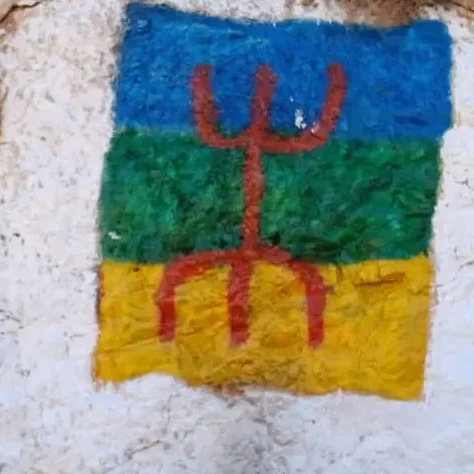
The word “Amazigh” means “Free People” in their native language, Tamazight. These aren’t just historical figures in dusty textbooks they’re your neighbors, your guides, your shopkeepers, and your hosts. If you’re planning to explore Morocco in 2026 or simply want to understand the soul of this incredible nation, you need to know about Berber culture. It’s the foundation upon which modern Morocco stands.
Who Are the Amazigh? Understanding 9,000 Years of History
Let’s start with the basics.The Amazigh are the indigenous inhabitants of North Africa, and their story stretches back millennia long before Romans marched across the deserts or Arab armies arrived with Islam. When you visit Morocco, you’re walking through land that has been shaped by Amazigh civilization for thousands of years.
Today, the Amazigh people make up a significant portion of Morocco’s population. While exact numbers vary, estimates suggest that somewhere between 40 and 60 percent of Moroccans identify as Amazigh. This isn’t a small cultural footnote it’s the heartbeat of the nation.
The influence of Berber culture in Morocco is everywhere. Look at the architecture of old fortifications. Taste the spices in a tagine. Listen to the rhythm of traditional music echoing through mountain villages. Admire the intricate patterns on a hand-woven rug. All of these are gifts from the Amazigh people, passed down through generations as carefully as precious heirlooms.
What makes Berber culture so fascinating is how it has adapted and survived. The Amazigh didn’t disappear when new empires arrived they integrated, evolved, and remained distinctly themselves. This resilience is part of their identity.
Three Distinct Groups: Regional Diversity Across Morocco
Berber culture in Morocco isn’t one monolithic thing. Like any large population spread across diverse landscapes, the Amazigh have developed distinct regional identities. Understanding these differences gives you insight into the rich complexity of Moroccan society.
The Riffians of the North
In the rugged Rif Mountains of northern Morocco, you’ll find the Riffianstough, proud warriors with a history of defending their mountain strongholds. They speak Tarifit, their own Tamazight dialect, and their culture reflects the challenges of mountain living. The Rif region has produced some of Morocco’s finest craftspeople and some of its most independent-minded citizens.
The Zayanes of the Middle Atlas
Travel south to the Middle Atlas mountains, and you’ll encounter the Zayanes. This is where you’ll hear Tamazight spoken in its most recognized form. The Zayanes are famous for the Ahidous, a traditional line dance performed at celebrations and gatherings. If you’re lucky enough to witness an Ahidous during your 2026 Morocco travels, you’ll see dozens of people moving in perfect synchronization, arms linked, voices raised in traditional songs.
The Shilha or Chleuh of the South
The largest Amazigh group, the Shilha (also called Chleuh), inhabit the stunning High Atlas and Anti-Atlas mountains and the Souss Valley. These are the people you’ll most likely encounter if you’re trekking through the Atlas or exploring southern Morocco. Tashelhit is their language, and their culture is deeply tied to mountain agriculture, hospitality, and the preservation of ancient traditions.
The Tamazight Language and Tifinagh Script: A Living Legacy
Here’s something that excites language lovers and history buffs alike: Berber culture in Morocco has its own language with an ancient script that’s still used today.
For centuries, the Tamazight language existed in a complicated relationship with Arabic. But in 2011, something historic happened. Morocco’s constitution was amended to recognize Tamazight as an official language alongside Arabic. This wasn’t just a symbolic gesture it meant that Tamazight could be taught in schools, used in government, and celebrated as a fundamental part of Moroccan identity.
The written form of Tamazight uses the Tifinagh script, a geometric alphabet with roots stretching back thousands of years. You’ll see it everywhere in modern Morocco on road signs, public buildings, and official documents. Each character is constructed from simple lines and angles, creating a visual language that’s unmistakably Amazigh.
For travelers, learning a few phrases shows respect and opens doors. Here are essentials for your 2026 Morocco adventure:
- Azul (Hello) – pronounced “AH-zool”
- Tanmirt (Thank you) – pronounced “tahn-MEER”
- Yah (Yes)
- Uhu (No)
When you use these words, you’ll often see faces light up. Locals appreciate the effort, and it creates an immediate connection that no amount of money can buy.
Architecture: Masterpieces Built from Earth and Tradition
Walk through the Atlas Mountains or the Saharan fringes, and you’ll see structures that seem to grow naturally from the landscape itself. This is Amazigh architecture at its finest—practical, beautiful, and ingeniously adapted to harsh environments.
Kasbahs and Ksours: Fortified Communities
The kasbah (or casbah) is more than just a fortress. It’s a complete defensive and residential compound where families lived together, protected from both invaders and the brutal desert heat. The thick rammed-earth walls kept temperatures regulated, staying cool during scorching days and retaining warmth at night. Windows were small and strategically placed for both ventilation and defense.
Agadirs: Communal Grain Stores
One of the most ingenious aspects of Berber culture in Morocco is the agadir a centuries-old communal granary. These aren’t just buildings; they represent a social contract. Each family contributed grain to the agadir during good harvests, creating a buffer against famine during lean years. Some of these structures are over 500 years old and still stand today.
Ait Benhaddou: The Crown Jewel
If you want to see Amazigh earthen architecture at its most magnificent, visit Ait Benhaddou, a UNESCO World Heritage site. This kasbah complex is so stunning that it has appeared in countless films and documentaries. Walking through its adobe buildings and narrow alleyways is like stepping back in time while being fully present in an active, living community.
The Art of Symbolism: What Berber Rugs and Jewelry Tell Us
The Amazigh have always believed in the power of symbols. Every pattern woven into a rug, every design hammered into silver jewelry, carries meaning and intention.
Silver Over Gold: A Choice Rich with Meaning
If you visit a Berber home or marketplace, you’ll notice something interesting: silver is treasured far more than gold. This isn’t arbitrary. Silver represents purity, protection, and clarity values central to Amazigh culture. When a Berber craftsperson creates silver jewelry, they’re not just making decoration; they’re crafting protection for the wearer.
The Language of Rugs: Stories Woven into Wool
Berber culture in Morocco expresses itself beautifully through traditional rug weaving. Different regions have distinct styles:
- Beni Ourain rugs from the Middle Atlas feature minimalist patterns and neutral colors, often depicting mountains and stars
- Azilal rugs burst with vibrant colors and geometric designs, telling stories of joy, fertility, and community
- Taznakht rugs display deep reds and intricate patterns reflecting the desert landscape
Each weaver is an artist encoding tribal stories, family history, and spiritual protection into these textiles. When you buy directly from a cooperative, you’re not just purchasing a rug—you’re investing in a family’s livelihood and preserving ancient craft traditions.
Sacred Symbols and Protection Motifs
Three symbols appear repeatedly across Amazigh crafts:
- The Aza (Free Man) – Representing independence and dignity
- The Diamond or Eye – Protection against evil and harm
- The Fibula – Femininity, fertility, and the cyclical nature of life
Understanding these symbols adds profound meaning to every piece of Berber art you encounter.
The Flavors of the Mountains: Authentic Berber Cuisine
Berber food tells the story of Morocco’s geography and climate. In the mountains and deserts, resourcefulness and flavor go hand in hand.
Couscous and Tagine: Foundation Dishes
You’ve probably heard of couscous and tagine. But do you know their origins? Both are Amazigh innovations perfected over centuries. Couscous—those tiny semolina pearls—was developed as a way to stretch grain and feed large families. Tagine refers both to the cone-shaped cooking vessel and the slow-cooked stew prepared within it.
Hidden Culinary Treasures
Beyond the famous dishes, authentic Berber culture in Morocco offers amazing flavors:
- Amlou: A creamy spread made from toasted almonds, argan oil, and honey. It’s breakfast, it’s dessert, it’s pure comfort.
- Taguella: Bread baked directly in heated Saharan sand, creating a smoky, unique flavor
- Preserved lemons: Tangy, salty, and essential to countless Moroccan dishes
The Mint Tea Ceremony
One experience captures the essence of Amazigh hospitality: the mint tea ritual. Called “Berber whiskey” by some, this strong mint tea served in ornate glasses is more than a beverage it’s a ceremony. Watch as your host or guide pours the tea from a height, aerating it and creating a foamy crown. The first glass is bitter (like life), the second balanced (like love), and the third sweet (like death). Sharing tea is sacred in Amazigh culture, an expression of respect and welcome.
2026 Festival Calendar: Experience Living Berber Culture
Planning a trip to Morocco in 2026? These authentic festivals offer glimpses into Berber culture in Morocco like nothing else:
Yennayer (Amazigh New Year) – January 14, 2026
Celebrated on January 14th each year, Yennayer marks the beginning of the Amazigh calendar. In 2026, it will be year 2976 by Amazigh reckoning. This agricultural festival has roots stretching back thousands of years and is a time for family gatherings, feasting, and renewal.
Imilchil Marriage Festival – September 18-21, 2026
High in the Middle Atlas, the small town of Imilchil hosts one of Morocco’s most enchanting festivals. Legend has it that two young lovers, Isli and Tislit, drowned themselves in nearby lakes rather than be separated by warring tribes. Their families made peace, and now the festival celebrates this love story with traditional marriages, music, and community.
Recomend post-Imilchil Marriage Festival 2026
Rose Festival (Kelaat M’Gouna) – May 2026
In the Dades Valley, Damask roses bloom in May, painting the landscape pink. This festival celebrates the harvest and the creation of rosewater and rose oil, important products in Moroccan culture.
Recomend post-Morocco’s Rose Festival
Music and Movement: The Heartbeat of Community
Amazigh music and dance are living, breathing traditions. Two forms stand out:
Ahwash and Ahidous: Different Dances, Same Spirit
In the High Atlas, the Ahwash brings people together in circles, moving to rhythmic chants. In the Middle Atlas, the Ahidous lines people up side-by-side, arms linked. Both create community and connection through synchronized movement.
Tbourida: The Spectacular Fantasia
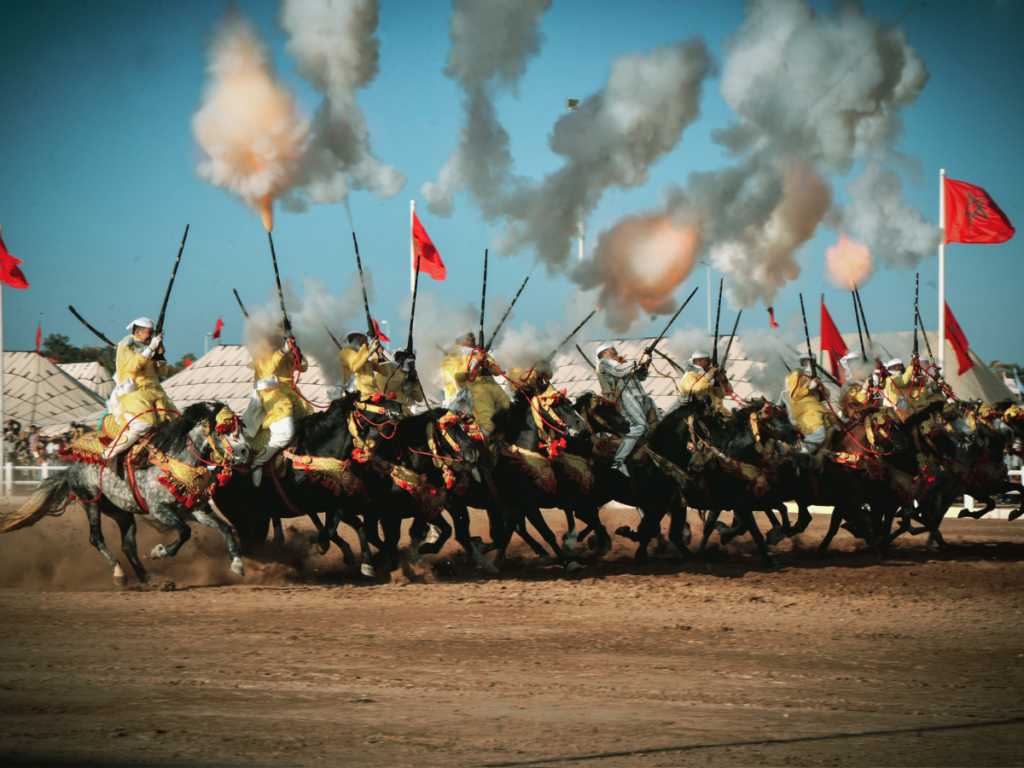
The Tbourida, or fantasia, dates to the 16th century. Riders on horseback charge in perfect synchronization, firing rifles skyward in coordinated bursts. It’s a stunning display of horsemanship, tradition, and spectacle that you might witness at festivals or special events.
Traveling Respectfully: Your 2026 Morocco Guide
Experiencing authentic Berber culture in Morocco comes with responsibilities:
- Hire local guides – Amazigh guides know the mountains, understand the culture, and support local economies
- Practice proper etiquette – Use your right hand for eating, remove shoes when entering homes, dress modestly
- Support cooperatives – Buy directly from women’s weaving and argan oil cooperatives to ensure fair wages
- Ask before photographing – Always request permission before taking pictures of people
- Learn basic phrases – Speaking Tamazight, even poorly, shows deep respect
Ready to Explore Berber Culture in Morocco?
The Amazigh people have shaped Morocco for 9,000 years. Their culture isn’t something you observe from a distance it’s something you experience, taste, feel, and ultimately, understand.
Whether you’re planning a 2026 Morocco adventure, researching authentic Berber experiences, or simply curious about one of the world’s most fascinating cultures, remember this: You’re not just visiting ancient history. You’re connecting with living traditions, meeting resilient people, and becoming part of a story that stretches back millennia.
Start planning your journey today. Learn the language. Research the festivals. Connect with local guides. And prepare yourself for one of travel’s greatest gifts: genuine cultural connection that will change how you see the world.
What is Berber culture in Morocco?
Berber culture in Morocco refers to the traditions, language, and lifestyle of the Amazigh people, the indigenous inhabitants of North Africa. It includes unique customs, traditional clothing, music, cuisine, and architecture that have existed for over 9,000 years.
Who are the Amazigh people in Morocco?
The Amazigh (Berbers) are the original inhabitants of Morocco and make up an estimated 40–60% of the population. They have preserved their identity through language, traditions, and community life, especially in rural and mountainous regions.
What language do Berbers speak in Morocco?
Berbers speak Tamazight, an official language of Morocco alongside Arabic. It includes several dialects such as Tarifit (Rif), Central Atlas Tamazight, and Tashelhit (southern Morocco).
Where can you experience Berber culture in Morocco?
You can experience authentic Berber culture in the Atlas Mountains, the Rif region, and the Souss Valley. Popular destinations include Berber villages, local markets, and historical sites like kasbahs.
What festivals celebrate Berber culture in Morocco?
Major Amazigh festivals include:
Yennayer (Amazigh New Year – January)
Imilchil Marriage Festival (September)
Rose Festival in Kelaat M’Gouna (May)
These festivals highlight music, dance, and traditional customs.
What is the best way to experience Berber culture in Morocco on a trip?
The best way to experience Berber culture in Morocco is by visiting the Atlas Mountains, staying in traditional guesthouses, and hiring local Amazigh guides. This allows travelers to connect directly with communities, enjoy authentic food, and learn about daily life.
Your Moroccan adventure awaits. The Amazigh welcome you.
Ready to book your 2026 Morocco trip? Start by connecting with local Amazigh guides and researching festival dates. Your authentic experience begins with respecting and understanding the culture that makes Morocco truly magical.