Morocco rewards curiosity, but its variety can make planning feel overwhelming. In one trip, you could explore the souks and gardens of Marrakech, walk through the ancient lanes of Fez, watch the light change across the Sahara, and finish beside the Atlantic in Essaouira. The challenge is deciding how to connect those experiences without spending the entire holiday rushing from one place to the next.
That is where custom Morocco tour packages can help. Instead of choosing a fixed itinerary and fitting your interests around it, you begin with the kind of journey you want to have. A specialist can then shape the route, pace, accommodation, transport, guides, and activities around your priorities.
A tailor-made trip might be a food-focused journey, a family holiday with shorter travel days, a romantic escape, or a culture-and-history itinerary connecting Morocco’s imperial cities and heritage sites.
The most important benefit is not simply flexibility. It is having a trip that feels coherent from beginning to end.
What is included in a custom Morocco tour package?
A custom package usually starts with a planning conversation. You share your travel dates, budget range, preferred pace, interests, accommodation style, and any practical needs. The planner then turns those details into a proposed route and adjusts it with your feedback.
Depending on the provider, the package may include accommodation, airport transfers, private or shared transport, local guides, activities, selected meals, and support during the trip. The exact inclusions vary, so ask for a clear proposal that separates what is included from optional additions.
The route is the first decision. Morocco is expansive, and road journeys between regions can take longer than they appear on a map. A well-designed itinerary leaves room for travel, rest, and unexpected discoveries instead of trying to include every famous location.
Match the itinerary to your interests
Morocco’s official tourism organisation presents the country through a wide range of themes, including medinas, gastronomy, nature, mountains, desert, beaches, wellness, shopping, and cultural heritage. It also highlights destinations from Marrakech, Fez, and Rabat to Chefchaouen, Essaouira, the Errachidia–Midelt–Merzouga region, and the Atlas areas. This variety is precisely why a personalised itinerary can be useful.
For culture and history
Marrakech is a natural starting point for travellers drawn to architecture, markets, gardens, food, and the energy of a historic medina. Fez offers a different atmosphere, with its dense old city, craft traditions, and long history of learning. Rabat and Meknes can add further depth for travellers interested in Morocco’s imperial past.
Morocco has nine properties inscribed on the UNESCO World Heritage List, including the medinas of Fez, Marrakech, Essaouira, and Tétouan; the historic city of Meknes; Volubilis; Rabat; El Jadida; and the Ksar of Ait-Ben-Haddou. A custom tour can select the sites that genuinely interest you instead of treating every stop as compulsory.
Ait-Ben-Haddou is especially compelling for travellers interested in architecture and southern landscapes. UNESCO describes it as a traditional pre-Saharan settlement made up of earthen buildings enclosed by defensive walls, with houses, towers, and communal spaces forming a remarkable example of southern Moroccan architecture.
For desert landscapes
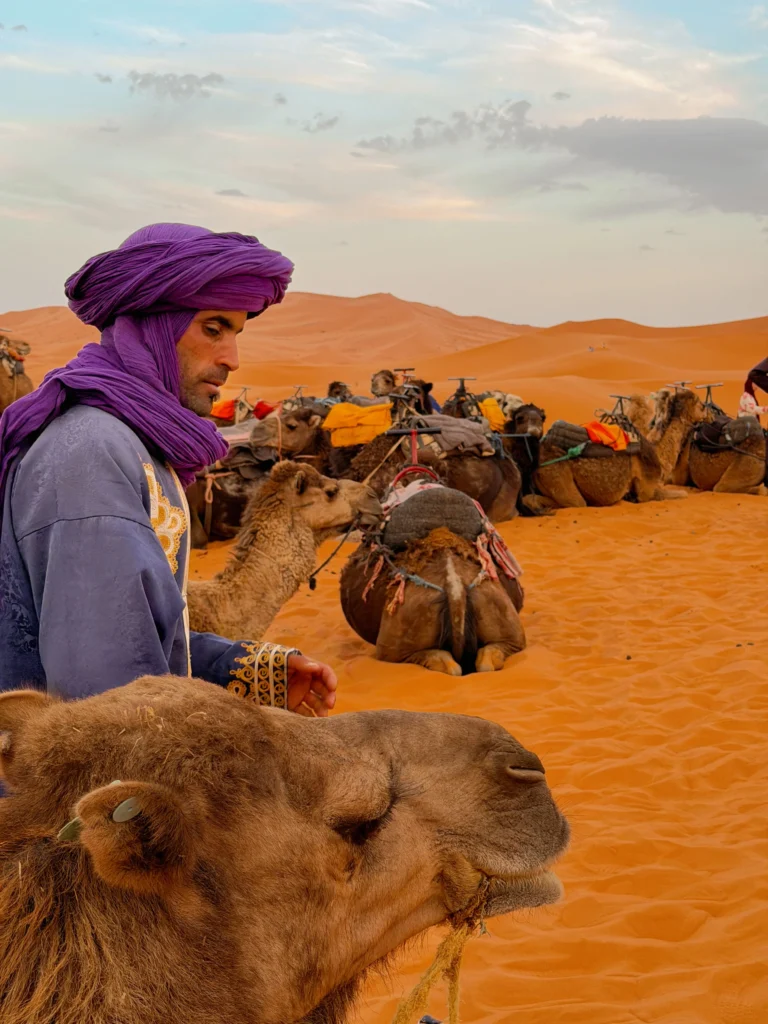
A Sahara-focused trip often includes the route toward Merzouga and the dunes of Erg Chebbi, although the exact experience depends on the season, route, and travel time available. A personalised plan can decide whether the desert is the central focus or one part of a longer journey through the south.
Some travellers want a camel ride and a night in a desert camp. Others prefer a quieter camp, stargazing, photography, or more time in nearby valleys. Ask what kind of desert experience will feel meaningful rather than accepting a standard package.
For mountains and active travel
The Atlas Mountains can suit travellers who want walking, village visits, scenic drives, or a slower contrast to the cities. The level of activity can be adapted for experienced hikers, families, or visitors who prefer gentle walks and viewpoints rather than demanding treks.
A local guide can help match routes to fitness, weather, daylight, and current trail conditions. That matters more than selecting a hike because it looks impressive in a brochure.
For blue streets and coastal air
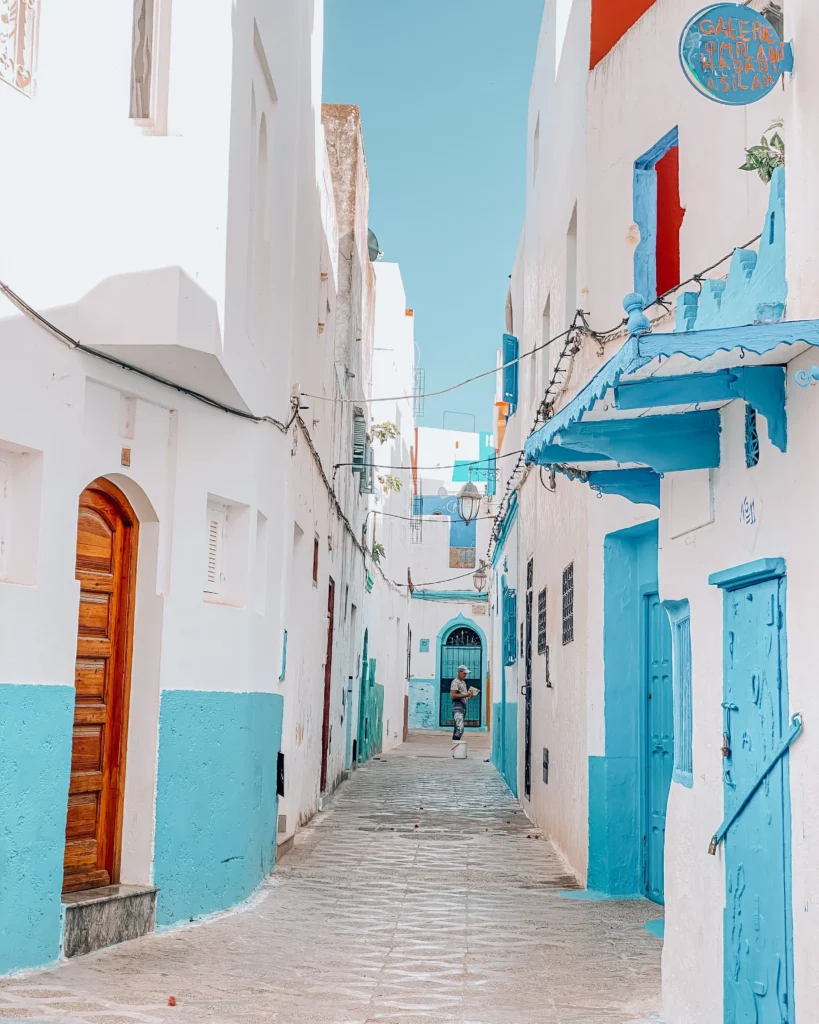
Chefchaouen is known for its blue-painted streets and mountain setting. It can work as a peaceful stop for photographers, walkers, and travellers who want a different rhythm from the larger cities. Essaouira offers an Atlantic alternative, with a medina, coastal atmosphere, seafood, and a relaxed final few days for travellers who want to slow down after a busy route.
These places do not need to be added automatically. A custom itinerary should consider where they fit geographically and whether the additional transfer improves the trip enough to justify the travel time.
Build the right pace
A tailor-made Morocco trip should have a rhythm, not just a list of destinations. Two nights in one city may be enough for a highlights visit, while three or four nights can create space for neighbourhood walks, a cooking class, a hammam experience, shopping, and unplanned time.
The same principle applies to the desert and mountains. Long drives can be worthwhile, but several consecutive travel-heavy days may leave travellers too tired to enjoy the places they have come to see.
Ask your planner to show travel times, not only overnight locations. It is also worth identifying which days are flexible and which depend on fixed bookings. That makes the itinerary easier to understand and easier to adjust.
Choose accommodation that supports the experience
Accommodation is part of the story in Morocco. A riad in a medina can make the old city feel immediate and atmospheric. A modern hotel may offer easier access, familiar amenities, or a pool. A mountain guesthouse can create a quieter base, while a desert camp can make the night sky and landscape the focus.
Personalisation means choosing the right style for the traveller, not automatically selecting the most luxurious option. Families may prioritise connecting rooms and easy access. Couples may value privacy and setting. Solo travellers may prefer a central location and a clear support network. Travellers with mobility considerations should discuss stairs, narrow lanes, vehicle access, and walking distances before confirming arrangements.
Use local expertise for the details that matter
A travel specialist can add value by handling the connections between experiences. That may include arranging official guides, confirming transfer logistics, recommending realistic travel days, checking seasonal conditions, and identifying experiences that fit your interests rather than simply filling a schedule.
The best planning process should still leave room for your questions. Ask who will meet you on arrival, how support works during the trip, what happens if weather changes a route, and which activities are private, shared, or optional. Request clarity on cancellation terms, meal arrangements, guide languages, vehicle standards, and any local fees.
Responsible travel should also be part of the conversation. Look for experiences that respect local communities, avoid exploitative interactions, and make clear how guides, artisans, hosts, and drivers are involved. “Authentic” is not a guarantee of quality; respectful, transparent arrangements are more useful standards.
Plan safety and practicalities carefully
Travel advice changes, so check your own government’s latest guidance before departure. At the time of writing, the U.S. Department of State advises increased caution in Morocco because of terrorism risk and recommends staying alert, particularly in tourist areas, while also reviewing insurance and emergency guidance. Canada’s travel advice similarly recommends a high degree of caution and provides additional guidance for border regions, remote travel, desert areas, and road safety.
For remote mountain or desert travel, use reputable guides, confirm vehicle and communication arrangements, and avoid improvising in isolated areas. Keep valuables secure in busy markets and transport hubs, use registered transport, and follow local advice.
Travel insurance, appropriate clothing, necessary medication, passport validity, entry requirements, and health guidance should all be checked before booking. These are practical details, but sorting them early gives you more freedom to enjoy the trip itself.
Example frameworks for tailor-made Morocco trips
A seven-day trip could focus on Marrakech, the Atlas Mountains, and a short southern route, or combine Marrakech with Essaouira for a city-and-coast holiday. Trying to add every major destination would likely create a rushed experience.
A ten-day itinerary could connect Marrakech, Ait-Ben-Haddou, the Dades or Todra area, the Sahara, and Fez, depending on transport preferences and the desired pace. The route needs careful planning because the landscapes are expansive and travel days can be long.
A 16 day journey gives more room to combine imperial cities, Chefchaouen, the coast, mountain areas, and the desert. It can also include rest days, food experiences, craft workshops, or time to revisit a place that deserves more than a quick stop.
These are frameworks, not fixed recommendations. Your route depends on arrival airport, season, interests, mobility, budget, and tolerance for travel time.
Create a Morocco trip that feels like yours
A custom Morocco tour package is most valuable when it turns your preferences into thoughtful decisions. It can give you more time where you want it, reduce unnecessary movement, and connect you with guides, hosts, landscapes, and experiences that fit the way you travel.
Start by listing three priorities, three things you would rather avoid, and the pace that feels comfortable. Then share those details with a specialist and ask for an itinerary that explains the reasoning behind each stop.
From the souks of Marrakech to the blue streets of Chefchaouen, the Atlas Mountains, Ait-Ben-Haddou, the Sahara, and the Atlantic coast, Morocco offers more possibilities than one trip can contain. The joy of a tailor-made journey is choosing the combination that makes the country feel personal.
Ready to begin? Tell us what you want to experience in Morocco, and we’ll help shape a personalised itinerary around your time, interests, and travel style.
Frequently asked questions
What are custom Morocco tour packages?
Custom Morocco tour packages are personalised trips planned around your dates, interests, preferred pace, accommodation style, budget, and practical needs. They may include accommodation, transport, guides, activities, meals, and in-country support, depending on the provider.
Are tailor-made Morocco trips more expensive than standard tours?
They can be, but there is no universal price difference. Cost depends on season, accommodation, transport, group size, guide services, activities, and route. A custom trip can also avoid paying for experiences or upgrades that do not suit you. Request an itemised quotation and confirm what is included.
How many days do I need for a custom Morocco itinerary?
Seven days can work for a focused city-and-coast or city-and-south trip. Ten days gives more flexibility for combining major regions. Fourteen days allows a slower, broader route. The ideal duration depends on how many long travel days you are comfortable with.
Can I include the Sahara Desert in a tailor-made Morocco trip?
Yes, the Sahara can be included in many itineraries, but the route requires realistic travel planning. Ask about drive times, overnight stops, camp style, seasonal conditions, and how much time you will actually spend in the dunes.
Are custom Morocco tours suitable for families?
Yes. A family itinerary can use shorter travel days, family-friendly accommodation, age-appropriate activities, private transfers, and planned rest time. Share children’s ages, dietary needs, mobility considerations, and preferred activity levels during the planning stage.
Is a private guide included in a custom Morocco tour?
Sometimes, but inclusions differ. Some packages use private guides for specific cities and shared or private transport between destinations. Ask whether guides are licensed or officially recommended, what languages they speak, and whether guiding is included every day.
When should I book a tailor-made Morocco trip?
Begin planning as early as practical if you are travelling during a popular season, have specific riads or camps in mind, or need family rooms and accessible arrangements. Earlier planning creates more choice, but specialists can also design shorter-notice trips when availability allows.
Conclusion
A custom Morocco tour package gives you the freedom to experience the country at your own pace and in your own way. Whether you dream of exploring Marrakech’s lively souks, discovering ancient medinas, hiking through the Atlas Mountains, sleeping beneath desert stars, or relaxing along the Atlantic coast, a tailor-made itinerary can bring your ideas together seamlessly.
Rather than following a rigid schedule, you can choose the destinations, activities, accommodation, and travel rhythm that best suit you. With the support of experienced local planners and guides, your journey can be both flexible and well organised.
Morocco has something for every kind of traveller. The key is creating an itinerary that reflects your interests and leaves enough time to enjoy each experience fully. Start planning your tailor-made Morocco trip today and discover the country in a way that is uniquely yours.
