
Most Morocco itineraries look the same. Marrakech souks, a night in the Sahara at Merzouga, a stop in Fes, and a bus ride through the Atlas. There is nothing wrong with that route, but it only shows you the surface. Unique Morocco experiences exist in the places package tours skip entirely: cave houses still lived in by local families, dunes with zero footprints beside your own, and mountain villages where the tea ceremony has not changed in a hundred years.
I have spent over a decade guiding travelers through my country as an Amazigh guide, and the moments people remember most are rarely the ones listed on a standard brochure. They are the ones that happen when you step off the main road.
This guide walks you through 15 authentic experiences most visitors never hear about, where to find them, and how to build them into a private Morocco itinerary that fits the way you actually want to travel.
What Makes an Experience Truly Unique in Morocco?
Beyond the Instagram Hotspots
Chefchaouen’s blue streets and the Sahara dunes at sunrise are beautiful, and they photograph well for a reason. But when every visitor stands in the same spot for the same shot, the experience stops being personal. Unique Morocco experiences usually happen away from the crowd, often ten or fifteen minutes off the route everyone else takes.
Experiences Built Around People, Not Just Places
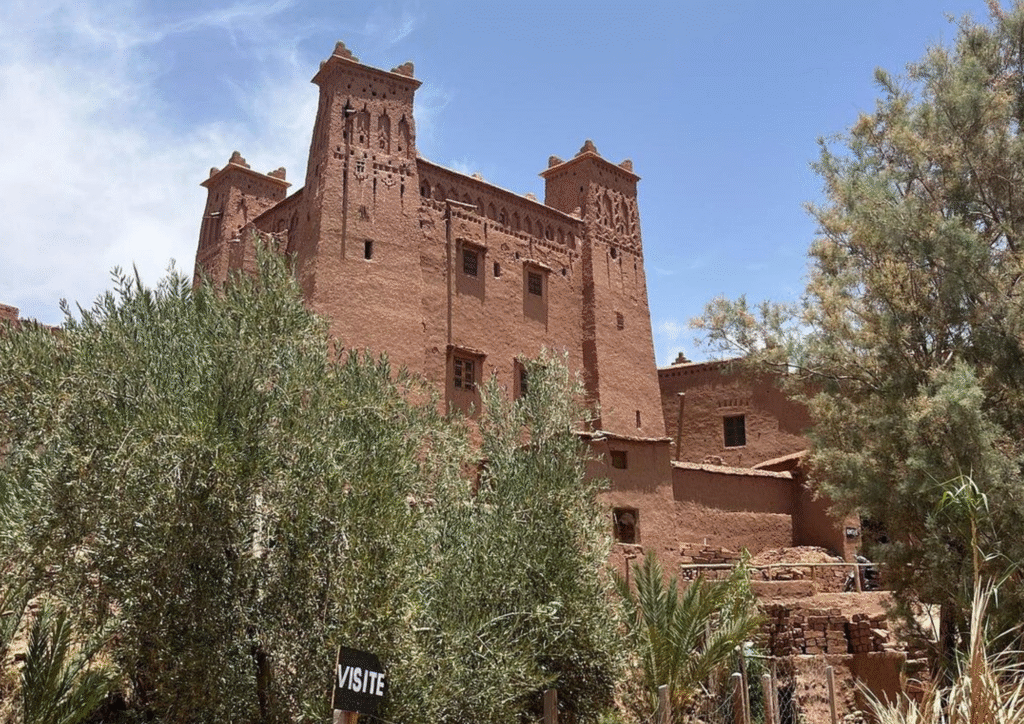
A kasbah is a building. A kasbah where the family who has owned it for four generations invites you in for tea and tells you how their grandfather built the irrigation channels still running through the palm grove today, that is a story. The difference between sightseeing and experiencing Morocco almost always comes down to who you meet, not just what you see.
Why Local Knowledge Changes Everything
Knowing which valley has water in October, which family welcomes respectful visitors, and which souk still trades the way it did before tourism arrived is not something a search engine or a guidebook can hand you. It comes from years of driving these roads and building relationships with the people who live along them.
1. Share Tea With an Amazigh Family in Their Home
In the villages of the High Atlas and Anti-Atlas, hospitality is treated as sacred. Being invited into a family home for mint tea and homemade bread, baked in a clay oven that morning, is one of the most genuine cultural experiences Morocco offers. You will hear family stories passed down through generations and pick up small customs, like how tea is poured from height to aerate it, that most visitors never learn.
2. Walk a Section of an Ancient Caravan Route
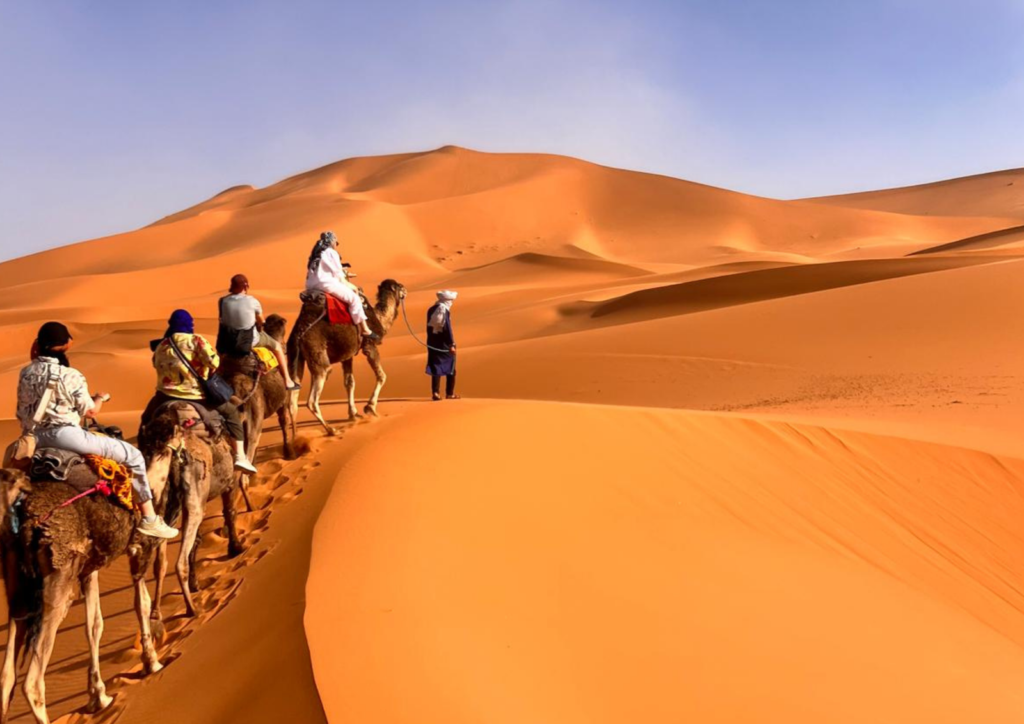
Long before Merzouga became a tourist name, salt and gold caravans crossed these same dunes on routes that took weeks. Walking even a short stretch of this old trade path, guided by someone who knows the landmarks, connects you to a much older Morocco than the one shown in most brochures.
3. Watch Sunrise From a Dune Almost No One Visits
Erg Chebbi near Merzouga is beautiful but busy at dawn. Further southwest, Erg Chigaga near M’Hamid requires a longer drive but rewards you with dunes rising nearly 300 meters and a sunrise you will likely watch alone. If solitude matters to you, this is where to find it.
4. Sleep in a Private Desert Camp Under a Truly Dark Sky
Skip the large camps that host fifty guests a night. A small, private camp with just a handful of tents means real silence, a sky with almost zero light pollution, and campfire storytelling that feels personal instead of staged. Traditional Amazigh music around the fire, played on instruments like the bendir drum, is a moment guests describe for years afterward.
5. Cook With Local Women in a Neighborhood Market
Rather than a tourist-facing cooking class, imagine shopping for seasonal vegetables at a small neighborhood market with a local woman, then cooking a family recipe together and baking your own bread in a communal oven. This is how Moroccan cuisine is actually taught, mother to daughter, neighbor to neighbor.
6. Discover Kasbahs the Tour Buses Never Reach
Ait Ben Haddou gets thousands of visitors a day. A short drive further into the Ounila Valley reveals forgotten kasbahs and old trading villages with no entry fee and no crowd, just crumbling earthen towers and views that feel untouched.
7. Walk Through a Living Palm Oasis
The Skoura oasis, home to Kasbah Amridil (the building featured on the 50-dirham note), still uses irrigation channels engineered centuries ago. Walking through it on foot or by bicycle shows you date farming traditions and a sustainable desert lifestyle that has supported families here for generations.
8. Experience a Weekly Rural Souk
Every region of Morocco has a weekly souk day, and these markets look nothing like the tourist souks in Marrakech. Expect livestock trading, spice sellers weighing goods by hand, and handmade crafts sold exactly as they were fifty years ago.
9. Meet Nomadic Families in the Desert
In parts of the Sahara and pre-Sahara, nomadic families still move seasonally with their herds. A respectful visit to a nomadic tent, arranged through a trusted local guide, offers a rare look at desert survival skills and daily life that has almost disappeared elsewhere.
10. Explore Morocco’s Jewish Heritage Beyond the Famous Sites
Cities like Fes, Essaouira, and Sefrou hold Mellah quarters (historic Jewish neighborhoods) and cemeteries with centuries of history. Local guides can share personal stories from these communities that rarely make it into standard city tours.
11. Learn the Language Hidden in Amazigh Carpets
Traditional Amazigh carpets are woven with symbols representing fertility, tribal identity, and protection, using natural dyes passed down through generations. Meeting the artisans who still weave this way, often in small mountain cooperatives, turns a carpet from a souvenir into a story you can explain to anyone who asks about it at home.
12. Drive Roads Almost No Visitor Photographs
Beyond the well-known Tizi n’Tichka pass, smaller mountain roads through the Anti-Atlas near Tafraoute reveal pink granite formations, painted rocks, and remote Amazigh villages with panoramic views and almost no traffic.
13. Attend a Traditional Amazigh Music Night
Indigenous instruments, folk dances, and oral storytelling still hold their place at community celebrations across the Atlas and pre-Sahara regions. Being invited to one, rather than watching a staged hotel performance, is a completely different experience.
14. Time Your Trip Around a Seasonal Festival
Morocco’s calendar includes celebrations rarely mentioned in standard tours:
- The Rose Festival in the Dades Valley (May)
- The Date Festival in Erfoud (October)
- The Imilchil Marriage Festival in the Atlas (September)
- The Almond Blossom Festival near Tafraoute (February)
Building a trip around one of these adds a layer of culture that a fixed itinerary usually misses entirely.
15. Hike to Hidden Canyons and Natural Pools
Beyond the well-known Todra Gorge, quieter canyons and river pools across the Atlas offer swimming spots and hiking trails most visitors never find, simply because they are not on the standard route map.
Best Time of Year for Each Experience
| Season | Best Experiences |
|---|---|
| Spring (Mar–May) | Valley hikes, festivals, mild desert temperatures |
| Summer (Jun–Aug) | Atlantic coast, high mountain villages, cooler desert evenings |
| Autumn (Sep–Nov) | Sahara camping, date harvest, scenic road trips |
| Winter (Dec–Feb) | Snow-capped Atlas peaks, clear desert night skies |
Practical Tips for an Authentic Morocco Trip
Getting around: Remote regions like the Anti-Atlas or Erg Chigaga are best reached with a private driver-guide rather than a rental car, since road conditions and navigation to unmarked family homes or dune camps require local knowledge.
Cultural etiquette: A simple greeting in Arabic or Tamazight goes a long way. Always ask before photographing people, and dress modestly when visiting villages or religious sites.
Common mistakes to avoid: Booking a fixed group itinerary and expecting flexibility, skipping the smaller regions in favor of only the “big three” cities, and choosing large staged shows over genuine community invitations.
Responsible travel: Choose guesthouses and cooperatives that keep money in the local economy, and avoid any activity involving captive animals used purely for tourist photos.
How Journey Via Morocco Builds These Experiences Into Your Trip
I founded Journey Via Morocco because I wanted travelers to see the country the way I grew up seeing it, through relationships, not checkpoints on a map. As an Amazigh guide with over ten years on these roads, I work directly with families, artisans, and small cooperatives across the regions above, without agency middlemen adding cost or distance between you and the experience.
Every private itinerary is built around your pace and interests. Whether that means an extra night in a Skoura kasbah, a private desert camp near Erg Chebbi , or an afternoon cooking with a local family in Marrakech, the plan adapts to you rather than the other way around.
Frequently Asked Questions
What are the most unique experiences in Morocco?
The most memorable experiences tend to involve people rather than landmarks alone, such as sharing tea in an Amazigh home, cooking with local women, or sleeping in a small private desert camp away from the main tourist routes.
Are these experiences suitable for families?
Yes. Many of them, including oasis walks, souk visits, and cooking sessions, work well for families with children, though remote desert camps and long mountain drives are best suited to families with older kids or teens.
Can these experiences be included in a private tour?
Yes. All of the experiences in this guide can be combined into a custom private itinerary, adjusted for the length of your trip, your travel pace, and the regions you want to prioritize.
Which experience is best for first-time visitors to Morocco?
Combining one or two classic stops (Marrakech, the Sahara) with two or three unique additions, like a rural souk visit or a cooking session with local women, gives first-time visitors both the highlights and the authenticity in one trip.
How much do authentic, private experiences cost compared to standard tours?
Costs vary by region and group size, but private experiences arranged directly through a local operator are often comparable to, and sometimes lower than, standard group tours booked through international agencies, since there are no added intermediary fees.
Ready to See the Real Morocco?
If you want a trip built around genuine encounters instead of a fixed bus schedule, I would be glad to help design it. Reach out to Journey Via Morocco and let’s put together a private itinerary that fits how you actually want to experience this country.
