Table of Contents
Sahara desert trips to Morocco have become one of the most searched and most booked experiences in North Africa, and after years of guiding travelers across Erg Chebbi and Erg Chigaga, I can tell you the reason is simple: people are tired of seeing a destination through a bus window. They want to feel it. A night under the stars in Merzouga, the silence of the dunes at dawn, the sound of a guembri being played around a campfire, these are the moments that pull travelers from Madrid, Bogotá, Mexico City, and New York toward southern Morocco every year.
The Growing Appeal of Sahara Desert Trips to Morocco
The shift toward experiential travel didn’t happen overnight, but it accelerated fast. Travelers, especially those booking through agencies like ours, are no longer satisfied with checking off cities. They want immersion, and the Sahara delivers that in a way few other landscapes can.
Social media has played a massive role here. A single sunrise photo over Erg Chebbi’s dunes, shared by a travel creator, can drive thousands of inquiries within days. I’ve seen it happen with our own clients, they arrive having already pictured the exact dune they want to climb because they saw it on Instagram or TikTok first.
What’s changed even more is accessibility. A decade ago, reaching the Sahara from Marrakech meant a grueling, poorly organized journey. Today, with paved roads, better 4×4 fleets, and operators who actually understand logistics, the trip from Marrakech to Merzouga (roughly 560 km, about 8-9 hours by road with stops) is comfortable, scenic, and increasingly part of a well-structured multi-day itinerary rather than an afterthought.
What Makes Sahara Desert Trips to Morocco Unique
Stunning Natural Landscapes
Erg Chebbi, near Merzouga, is the dune system most travelers picture when they think of the Moroccan Sahara, with dunes reaching up to 150 meters. Erg Chigaga, further southwest near M’Hamid, is larger, quieter, and far less visited, which makes it a favorite for travelers who want true isolation.
Watching the sun rise over either erg is something I never get tired of, even after guiding hundreds of groups. The colors shift from deep purple to gold in a matter of minutes, and the temperature swing from cold desert night to warm morning sun is part of the experience itself.
Authentic Cultural Experiences
This is where Morocco’s Sahara trips separate themselves from desert tourism elsewhere. The region around Merzouga and the Draa Valley has deep Amazigh (Berber) roots, and many of the families running camps and guiding camel treks are from communities that have lived alongside these dunes for generations.
Evenings typically include traditional music played on instruments like the bendir and guembri, Berber mint tea ceremonies, and tagine cooked slowly over coals. Some itineraries also include stops at nomadic family tents, giving travelers a genuine look at a way of life that’s increasingly rare, not staged for tourists, but real daily life adapted to desert conditions.
Adventure and Activities
Camel trekking remains the classic entry point, usually a one to two hour ride into the dunes at sunset to reach camp. Beyond that, sandboarding down the steeper dune faces has become popular with younger travelers, and 4×4 excursions let visitors cover more ground, including visits to fossil sites and oasis villages.
Overnight stays in desert camps, paired with stargazing, are often the highlight travelers mention most in reviews. The Sahara has some of the darkest skies in North Africa, and on a clear night the Milky Way is visible without any equipment.
Types of Sahara Desert Trips to Morocco
Luxury Desert Tours
Luxury camps near Merzouga and Erg Chigaga now rival boutique hotels, with private en-suite tents, proper beds, hot showers, and dining setups under the stars. These tours typically include a private guide, a dedicated vehicle, and an itinerary built around the traveler’s pace rather than a fixed group schedule.
Budget-Friendly Desert Tours
Group tours from Marrakech or Fes remain the most affordable way to experience the Sahara, sharing transport and camp accommodation with other travelers. Shared camps still offer the core experience, camel trek, dinner, music, and sunrise, just at a lower price point and with a more social atmosphere.
Multi-Day Desert Expeditions
The most popular routes combine the desert with broader Morocco exploration: Marrakech to Merzouga over 3 days, or longer 5 to 10 day loops that include Fes, the Atlas Mountains, Ouarzazate’s kasbahs, and Todra Gorge. These longer trips let travelers see the contrast between Morocco’s imperial cities and its desert landscapes within one journey.
Best Time to Book Sahara Desert Trips to Morocco
The Sahara is best visited from October through April, when daytime temperatures are manageable and nights, while cold, are comfortable with proper bedding. Peak season (November to February) means busier camps but the most reliable weather. Shoulder months like March, April, and October offer a good balance, fewer crowds, pleasant days, and still-cool nights.
Summer (June to August) brings extreme daytime heat, often exceeding 40°C, which makes camel trekking and dune activities uncomfortable for most travelers. If visiting during this period, early morning or evening excursions are essential.
How to Choose the Right Sahara Desert Trip
Duration and Itinerary
A 3-day trip from Marrakech is enough to experience the dunes and one night in camp, but a 5 to 10 day itinerary allows for a more relaxed pace, additional stops in the Atlas Mountains and Draa Valley, and time in Erg Chigaga for those wanting a quieter dune system.
Tour Operator Reputation
Look for operators with verifiable reviews, proper licensing, and clear safety standards, including vehicle maintenance and trained guides familiar with desert navigation. This matters more in remote areas where mobile signal disappears.
Inclusions and Pricing
Always confirm what’s covered: accommodation type (shared vs private tent), meals, transport (private vs shared vehicle), and any activity fees like sandboarding or 4×4 add-ons. Transparent pricing upfront avoids surprises once you’re already in the desert.
Benefits of Booking Through Journey Via Morocco
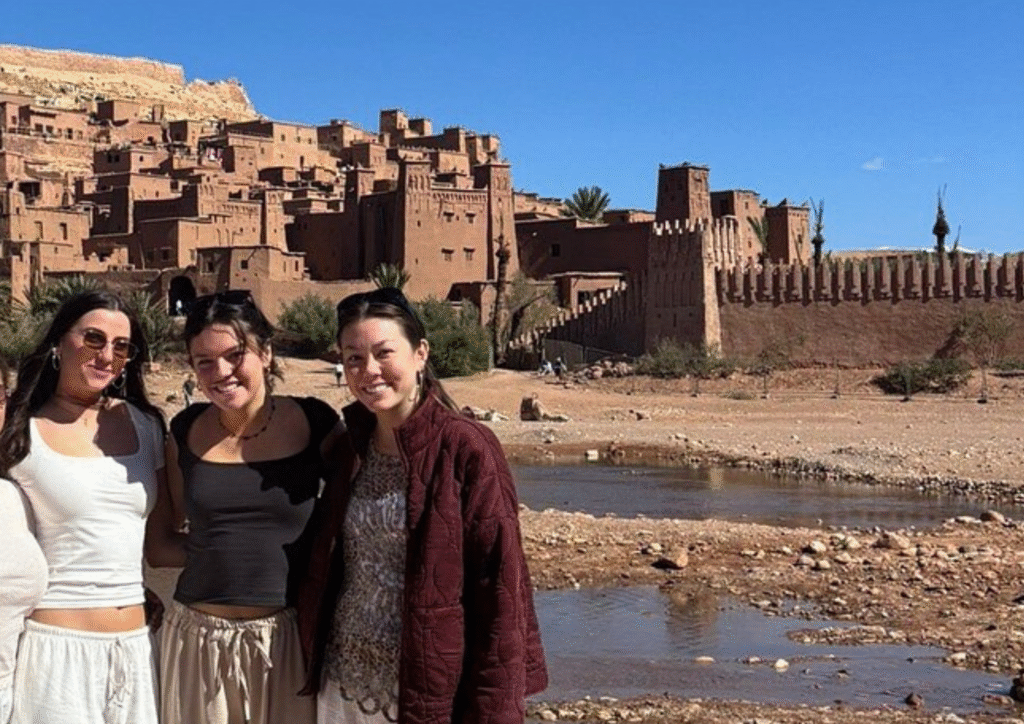
From my experience guiding travelers through southern Morocco, the difference between an average trip and a memorable one usually comes down to local knowledge, knowing which camps are quiet during peak season, which routes avoid the worst road conditions, and which families welcome visitors respectfully.
At Journey Via Morocco, every itinerary is built around the traveler, not a fixed template. We work directly with Amazigh-run camps, maintain our own vetted drivers, and offer support throughout the trip, not just before booking. Pricing reflects direct partnerships rather than layers of middlemen, which means better value without cutting corners on safety or comfort.
Travel Tips for Sahara Desert Trips to Morocco
Pack layers. Desert days are warm but nights can drop close to freezing, especially between November and February. A warm jacket, scarf (also useful against wind and sand), and comfortable closed shoes for dune walking are essentials. Sunscreen, sunglasses, and a reusable water bottle are non-negotiable.
Health-wise, stay hydrated even when it’s cool, and bring any personal medications since pharmacies are scarce once you’re away from towns like Erfoud or Rissani.
Culturally, dress modestly when visiting villages or nomadic families, ask before photographing people, and accept tea if offered, it’s a sign of hospitality that means a lot to local hosts.
FAQ
What is included in Sahara desert trips to Morocco?
Most trips include transport from your starting city, a camel trek into the dunes, one or more nights in a desert camp, dinner and breakfast, and a guide. Luxury versions add private tents, dedicated vehicles, and personalized itineraries.
How long are typical Sahara desert tours?
The most common option is a 3-day trip from Marrakech to Merzouga and back. Travelers wanting more depth often choose 5 to 10 day expeditions that combine the desert with the Atlas Mountains, Fes, and southern kasbahs.
Is it safe to travel to the Sahara Desert in Morocco?
Yes, Sahara trips run through established tourist routes with experienced local guides and licensed operators. Choosing a reputable operator with proper vehicles and trained drivers is the main safety factor.
What should I pack for a desert trip?
Pack layers for cold nights and warm days, a scarf for sun and sand protection, comfortable closed shoes, sunscreen, and a refillable water bottle. A headlamp is useful for moving around camp after dark.
Can I customize my Sahara desert trip with Journey Via Morocco?
Yes, every itinerary is tailored to the traveler’s pace, interests, and budget, from route and duration to camp style and activity choices like sandboarding or 4×4 excursions.
When is the best time to visit the Sahara Desert in Morocco?
October through April offers the most comfortable conditions, with November to February being peak season for cooler days and clear skies. Summer months bring extreme heat that limits daytime activities.
Conclusion
The growing demand for Sahara desert trips to Morocco isn’t a trend, it’s a shift toward travel that feels personal, immersive, and worth remembering. Whether you’re drawn to the golden dunes of Erg Chebbi, a night of music and stars in a desert camp, or a full multi-day route through the Atlas Mountains, the right operator and itinerary make all the difference.
