
Why a 1-Week Morocco Itinerary Is the Ultimate Travel Choice
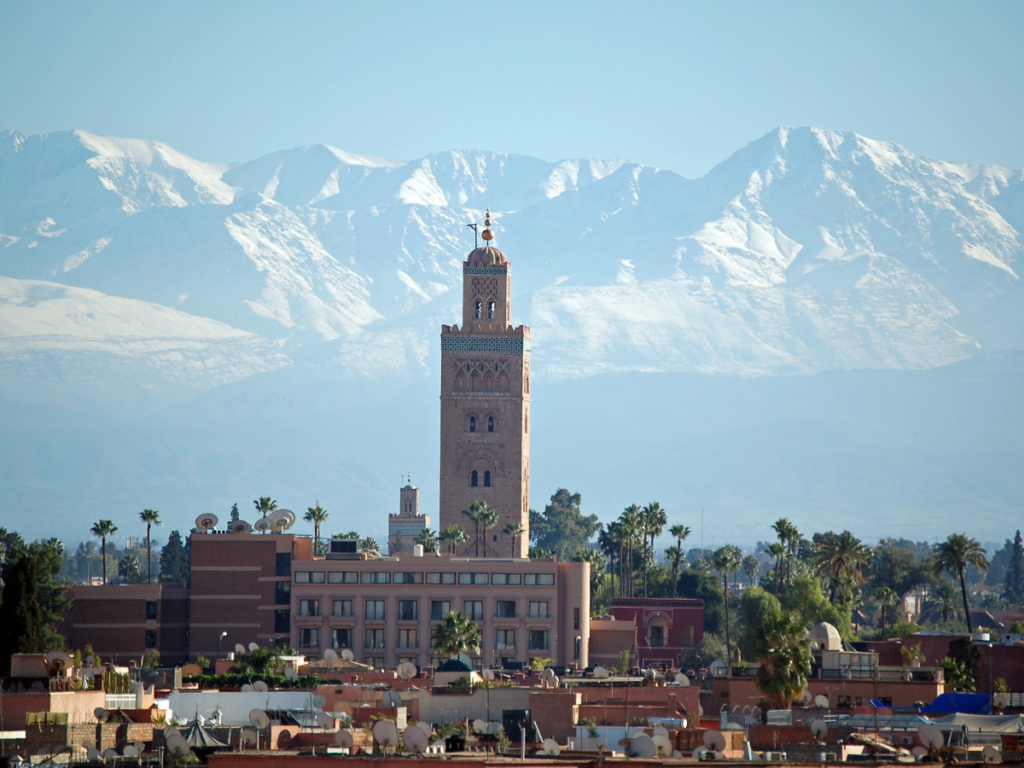
Table of Contents
Is 7 Days Enough to See Morocco?
Seven days in Morocco is not a compromise. It is actually the sweet spot.
You have enough time to feel the pulse of a medina, sleep under the stars in the Sahara, and still watch the Atlantic wind roll across Essaouira’s ramparts before you fly home. Travelers who spend less than a week often leave feeling rushed. Those who plan longer sometimes lose momentum mid-trip. One well-structured week hits differently.
The best week Morocco offers is built around three distinct experiences: imperial culture, golden desert dunes, and a windswept Atlantic coast. Each one feels like a different country. Together, they give you the full picture of what Morocco actually is, not just the postcard version.
Yes, you will cover real ground. But with the right pacing and a clear route, seven days is genuinely enough to go deep, not just wide.
Why the Marrakech-Sahara-Essaouira Loop Wins
Starting and ending in Marrakech is the smartest decision you can make for a 7-day Morocco trip. Flights into Marrakech Menara Airport are frequent, affordable, and well-connected from Europe and beyond. The loop that runs south through the Atlas Mountains to the Sahara, then west toward the coast, and back to Marrakech is logical, scenic, and surprisingly smooth with a private driver.
Recomendation post: The Best VIP Driver Tour in Morocco 2026
There is no doubling back. No wasted hours retracing routes. Every day moves forward and every new landscape feels earned.
The Best Week Morocco Itinerary: Day-by-Day Breakdown
Days 1 to 2: Marrakech, Diving Into the Soul of the Red City
Day 1: Arrival and Jemaa el-Fnaa
Land, settle into your riad, and resist the urge to rush. The medina has been here for a thousand years. It will wait an hour.
By late afternoon, walk to Jemaa el-Fnaa. This is not just a square. At sunset, it transforms into something that has no equivalent anywhere else in the world. Snake charmers, storytellers, smoke from a hundred grills, orange juice vendors, and the distant call to prayer layered over it all. Eat dinner at one of the open-air stalls and order the kefta. You will not regret it.
Day 2: Palaces and Secret Gardens
Give this day to history. Start at Bahia Palace, where 19th-century Moroccan architecture reaches its most elaborate. The carved cedar ceilings alone are worth the entrance fee. From there, walk to the Saadian Tombs, a hidden royal necropolis that was sealed for centuries and only rediscovered in 1917.
End the afternoon at Majorelle Garden. Go before 4pm for softer light. The cobalt blue buildings against the lush green palms photograph beautifully, but the garden is genuinely peaceful even beyond the images.
Day 3: The High Atlas Mountains and Ait Ben Haddou
This is the day the landscape changes completely.
The drive over the Tizi n’Tichka mountain pass climbs to 2,260 meters. The views are wide and dramatic. Snow caps the peaks in spring. The road is winding but the reward is worth every curve.
Ait Ben Haddou sits at the end of a dry river valley and looks like it was built by the earth itself. This UNESCO World Heritage ksar has appeared in Gladiator, Game of Thrones, and dozens of other productions. Walk the outer walls first, then climb to the granary at the top for a view over the valley that stops conversations mid-sentence. Arrive before noon to avoid the midday crowds.
Day 4: Into the Golden Dunes of Merzouga
No best week Morocco itinerary is complete without the Sahara. Full stop.
The drive through either the Draa Valley or Todra Gorge is itself an experience. Todra’s canyon walls rise 300 meters on either side of a narrow river. The light inside the gorge shifts by the minute.
By late afternoon, you reach Merzouga and Erg Chebbi. The dunes here rise up to 150 meters. Your camel trek departs around 5pm to catch the full sunset over the sand. The colors shift from gold to copper to rose. Camp dinner is shared around a fire with traditional Gnawa music. The sky, far from any city light, is the most stars most people have ever seen in their lives.
Day 5: Desert Sunrise and the Road to the Coast
Set an alarm for 5:30am. You will not regret it.
The Saharan sunrise is quieter than the sunset. Cooler, softer, and somehow more personal. A short walk to the nearest ridge is enough. You do not need to go far.
After breakfast, the route heads west. A stop in Ouarzazate, often called the Hollywood of Africa for its famous film studios and proximity to Ait Ben Haddou, breaks the drive naturally. The Kasbah Taourirt in Ouarzazate is worth an hour of your time. The oasis town of Skoura, with its ancient palmery, is another excellent midday break before pushing toward the coast.
Day 6: Essaouira, Windswept Ramparts and Fresh Seafood
Essaouira hits you with salt air and a completely different rhythm.
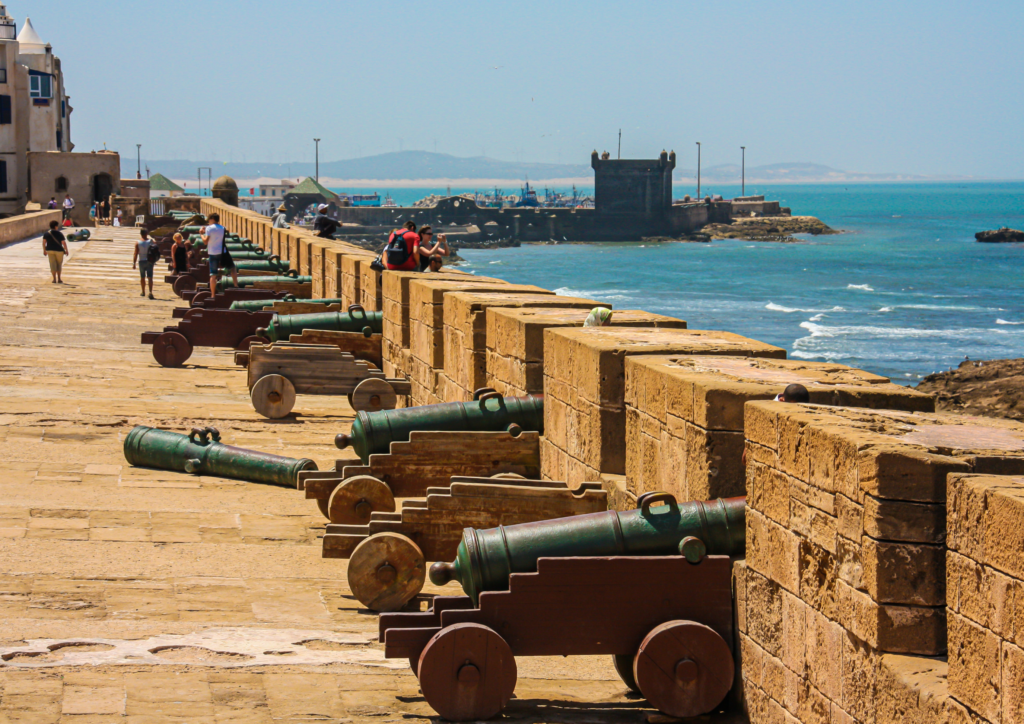
Walk the Skala de la Ville, the 18th-century sea fortress that runs along the waterfront. Cannons still line the battlements. The Atlantic crashes below. It is dramatic without trying to be. The blue-and-white medina behind it is calmer and easier to navigate than Marrakech, and the souks here lean toward woodwork, silver jewelry, and art rather than tourist trinkets.
For lunch, go straight to the fishing port. Point at what looks good. Grilled sardines, sea bass, and calamari cooked on open braziers right on the quay. It is the freshest meal of the week and it costs almost nothing.
Day 7: Final Souk Shopping and Departure
Return to Marrakech in the morning. Save two to three hours for the souks before your flight. The spice market near Jemaa el-Fnaa is the best place to pick up saffron, ras el hanout, and cumin sold by weight and flavor, not by packaging. Argan oil cooperatives near the medina sell the real product with proper certification. Leather goods from the tannery district are worth the investment if you negotiate calmly and walk away at least once.
Then the airport, the flight, and that particular feeling of leaving a place that got under your skin.
Planning Your Best Week Morocco Experience
Best Time of Year to Visit
Spring (March to May) and autumn (September to November) are the ideal windows. Temperatures across all three regions, city, desert, and coast, stay comfortable. The Sahara in summer reaches 45 degrees Celsius. The Atlas in winter can close roads. Spring and autumn hit the balance perfectly.
Essential Packing List: From Desert Chill to Coastal Breeze
Pack in layers. Mornings in the desert drop to near 10 degrees even in April. Midday in Marrakech climbs fast.
- Light cotton shirts and loose trousers for medinas and rural areas
- A warm fleece or light jacket for desert nights and mountain passes
- Comfortable walking shoes (cobblestones are unforgiving)
- A scarf that doubles as sun protection and cultural respect
- Sunscreen, lip balm, and a reusable water bottle
Covering shoulders and knees in medinas and villages is not optional. It is basic respect for local culture, and locals will treat you noticeably better for it.
Getting Around: Private Driver vs. Self-Drive
A private driver-guide is the single best investment you can make on this itinerary. The roads between Marrakech, the Sahara, and the coast are long, often unmarked, and occasionally shared with overloaded trucks on blind mountain curves. A good guide handles navigation, explains what you’re seeing, knows where to stop for the best photos, and connects you to local restaurants and camps that don’t appear on any app.
Self-drive is possible for confident, experienced drivers. Just know the Atlas roads require full attention, GPS occasionally loses signal in the south, and police checkpoints are routine. Always carry your international driving permit and vehicle documentation.
Local Secrets and Cultural Insights
Navigating the Souks: The Art of the Haggle
Haggling is not rude in Morocco. It is expected, and it is a conversation, not a confrontation.
Start at 30 to 40 percent of the first price offered. Stay friendly. Smile. If the seller drops to your number, great. If not, thank them warmly and begin to walk away. That movement alone closes more deals than any counteroffer. Never haggle if you have no real intention of buying.
Must-Try Moroccan Flavors
Food is the fastest way into Moroccan culture.
- Tagine: Slow-cooked lamb, chicken, or vegetables with preserved lemon and olives. Order it everywhere and compare.
- Friday Couscous: The weekly ritual. Fluffy steamed semolina with vegetables and meat. Found in family restaurants on Fridays.
- Harira: A thick soup of tomato, lentils, and chickpeas. Traditionally served to break the Ramadan fast but available year-round.
- Mint Tea: Served sweet, poured from height to create froth. Refusing it is unusual. Accepting it is the beginning of every good conversation.
Frequently Asked Questions
Is Morocco safe for solo and family travelers?
Yes. Morocco is one of the safer destinations in North Africa and welcomes solo travelers, couples, and families. Standard travel common sense applies: keep valuables secure, stay aware in busy medinas, and use vetted guides for remote desert areas.
How much cash should I carry?
Budget roughly 50 to 100 euros per day in Moroccan dirhams for meals, tips, entrance fees, and small purchases. ATMs are available in all major cities. Remote areas and desert camps often operate cash-only.
Can I visit the Sahara in just one week?
Absolutely. The Marrakech-Sahara-Essaouira loop is designed exactly for this. With a private driver, you reach Merzouga in one full travel day from Marrakech and return via the coast within the same week.
Do I need a visa to visit Morocco?
Citizens of the USA, UK, EU countries, and Canada do not need a visa for stays up to 90 days. Always verify current entry requirements with the Moroccan embassy or your government’s travel advisory before departure, as conditions can change.
Ready to Plan the Best Week Morocco Has to Offer?
You now have the route, the rhythm, and the insider knowledge to make this week genuinely count. The best week Morocco delivers is not about checking off landmarks. It is about arriving somewhere completely different from where you started, and feeling it.
At Journey Via Morocco, we design private 7-day itineraries tailored to your pace, your interests, and your travel style. No group buses. No rushed schedules. Just Morocco, done properly.
Contact us today and let’s build your perfect week from the ground up.
