Table of Contents
More Americans are choosing Morocco over Europe every single year, and the reasons go far deeper than just saving money. Morocco recently ranked as the 7th most-searched summer destination for U.S. travelers, jumping ahead of longtime favorites like Italy and Spain. With 19.8 million visitors in 2025 and a national goal of welcoming 1 million American tourists by 2030, the Kingdom is no longer a hidden gem. It is the world’s most exciting travel upgrade.
The Travel Shift: Why Americans Are Choosing Morocco Over Europe
How American Travel Trends Have Changed Post-2020
Travel changed after 2020. Americans stopped wanting to check boxes off a list and started craving something real. The idea of waiting two hours in line at the Eiffel Tower or paying $30 for a plate of pasta near the Colosseum lost its appeal fast.
Travelers began asking better questions. Where can I go and actually feel something? Where will my dollar stretch without feeling like I am sacrificing quality? Morocco kept showing up as the answer.
Morocco’s Rising Popularity in U.S. Travel Searches
Search interest for Morocco from American travelers has grown sharply over the last three years. Travel forums, social media, and booking platforms all tell the same story. Americans choosing Morocco over Europe are not following a trend. They are responding to a destination that genuinely delivers on its promise.
The Cost Comparison That Changes Everything
Flight Costs From the U.S. to Morocco vs. Major European Cities
Here is something most people do not realize. Flying to Morocco from the East Coast is not much different from flying to Europe. United Airlines now operates a direct flight between New York JFK and Marrakech. Royal Air Maroc runs consistent direct service from Washington D.C., Miami, and New York into Casablanca.
For East Coast travelers, the flight to Casablanca takes roughly 6.5 hours. That is about the same time it takes to fly from Miami to Seattle. Morocco is closer than most Americans think.
Daily Budget in Morocco vs. France, Spain, and Italy
The cost of living in Morocco runs 40 to 50 percent lower than in Western Europe. In Paris or London, a single decent hotel night can cost $250 to $400. In Marrakech or Fes, that same budget gets you a private luxury riad with a rooftop terrace, a courtyard fountain, and breakfast included.
The average daily travel budget in Morocco sits around $85, covering accommodation, food, transport, and activities. Try doing that in Rome.
Accommodation, Food, and Transport: A Real Price Breakdown
A traditional Moroccan riad is not just a place to sleep. It is an inward-facing garden palace built around a central courtyard, often decorated with hand-painted zellige tiles and carved cedar wood. Corporate European hotels simply cannot replicate that experience at any price point.
Food is another area where Morocco wins completely. You can eat a full, fresh meal at a local restaurant for $4 to $8. A private driver for a full day costs a fraction of renting a car in France or Spain.
A Richer Cultural Experience Without the Tourist Overload
Medinas, Souks, and Living History You Won’t Find in Europe
Walking through the medina of Fes or the souks of Marrakech is like stepping into a living, breathing history book. These are not reconstructed tourist attractions. People still live and work in these ancient neighborhoods exactly as they have for centuries.
Morocco Feels Authentic Where Europe Often Feels Staged
Europe’s most famous spots are increasingly managed for tourism rather than lived in. Venice now charges entry fees for day-trippers. Barcelona and Greece have seen anti-tourist protests. Paris recorded 418,300 tourist nights per square kilometer, making the city feel more like a theme park than a capital.
Morocco has not reached that tipping point. The country still feels real.
Connecting With Locals: Hospitality as a Way of Life
Moroccan hospitality is not a marketing phrase. It is a cultural value passed down through generations. Locals genuinely want you to enjoy their country. Sharing mint tea with a shopkeeper, being invited into a family home, or having a village elder explain the history of his town. These moments are not curated. They just happen.
Landscapes That Rival Anything in Europe
From the Sahara Desert to the Atlas Mountains
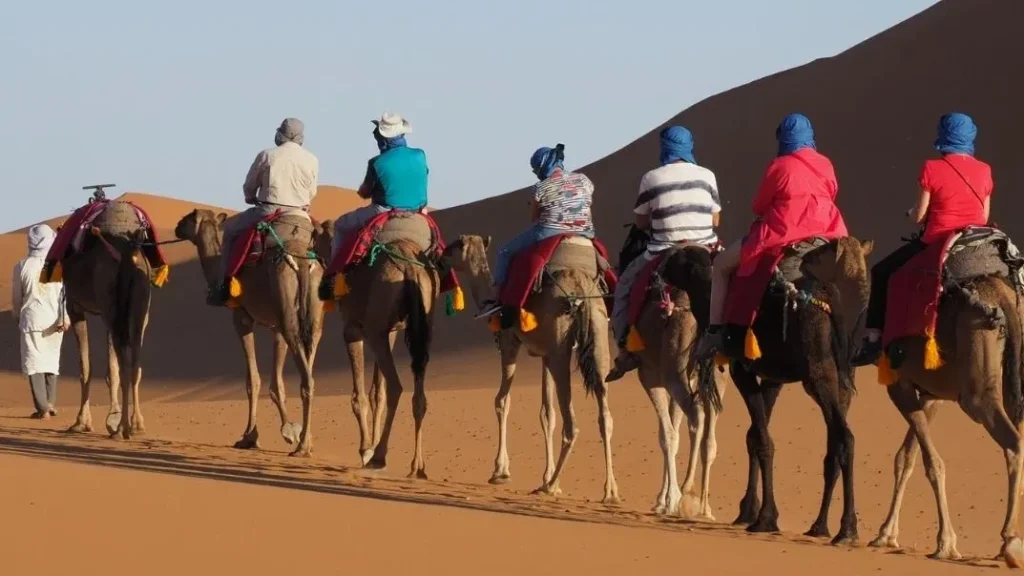
A 10-day Moroccan itinerary can take you from the golden dunes of Erg Chebbi in Merzouga to the snow-capped peaks of the High Atlas Mountains. No European country offers that kind of geographic range in a single trip.
Atlantic and Mediterranean Coastlines at a Fraction of the Cost
Essaouira on the Atlantic coast delivers windswept beaches, blue boats, and fresh seafood without the resort prices of the French or Spanish Riviera. The Mediterranean port city of Al Hoceima offers crystal-clear water and almost zero tourist crowds.
Day Trips Americans Love: Merzouga, Chefchaouen, Ait Ben Haddou
Three places tend to completely capture American travelers. Merzouga, where Sahara sunsets turn the dunes orange and pink. Chefchaouen, the famous blue-painted mountain village that feels like it belongs in a dream. Ait Ben Haddou, the ancient ksar that has been used as a filming location for major Hollywood productions. None of these have a European equivalent.
Practical Advantages That Make Morocco the Smart Choice
No Visa Required for U.S. Citizens
Americans can enter Morocco with just a passport and stay for up to 90 days with no visa needed. Zero paperwork, zero fees, zero stress.
English Is Widely Spoken in Tourist Areas
Arabic and French are the official languages, but English is standard across the luxury tourism sector. Guides, riad staff, tour operators, and most restaurant menus in tourist areas are available in English.
Direct and Easy-to-Connect Flights From the U.S.
With direct routes from JFK, Miami, Washington D.C., and easy connections through Madrid, Paris, or Casablanca, getting to Morocco has never been easier for American travelers.
Safety, Infrastructure, and Traveler-Friendly Services
Morocco holds a Level 2 travel advisory, the same rating assigned to popular European destinations like France and Germany. The country has a highly visible police presence in tourist areas, a growing network of fiber-optic internet and 5G in major cities, and is currently upgrading its entire national infrastructure ahead of co-hosting the 2030 FIFA World Cup.
Africa’s fastest high-speed train, the Al Boraq, connects Tangier to Casablanca at 320 km/h in just over two hours. Morocco is modernizing fast.
Food, Adventure, and Experiences Europe Simply Cannot Match
Moroccan Cuisine as a Cultural Journey
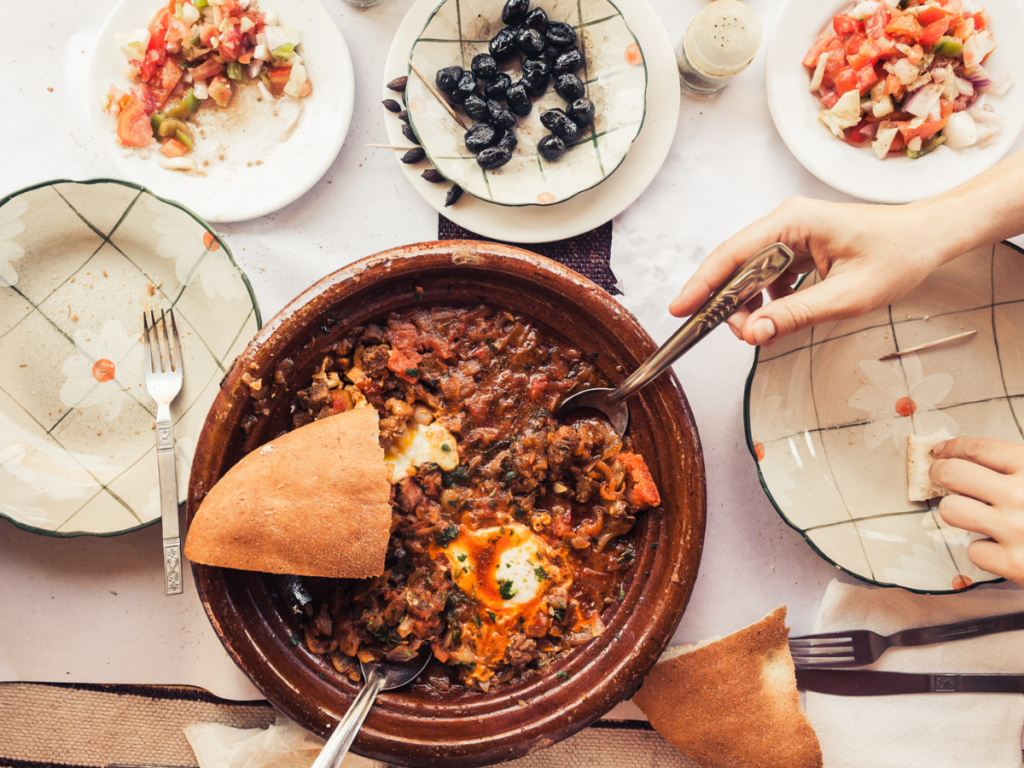
Tagine, couscous, bastilla, and freshly baked msemen. Moroccan food is a full sensory experience. Flavors built on saffron, preserved lemon, argan oil, and ras el hanout. Cooking classes, market tours, and family-style dinners are available across the country at prices that make European food tourism look overpriced.
Desert Camps, Camel Treks, and Atlas Hikes
Spending a night in a luxury desert camp under a sky full of Saharan stars is not something you can do anywhere in Europe. Neither is a sunrise hot air balloon ride over the Atlas Mountains or a guided trek through Berber villages.
Hammams, Riads, and Slow Travel Done Right
The traditional hammam experience, a steam bath followed by a black soap scrub, is deeply rooted in Moroccan culture. Combined with the intimacy of a riad stay and the unhurried pace of Moroccan life, it offers a style of slow travel that recharges people in a way busy European capitals rarely can.
How to Plan Your First Morocco Trip From the U.S.
Best Time of Year for Americans to Visit Morocco
Spring (March to May) and fall (September to November) are the ideal windows. Temperatures are comfortable across the country, the landscapes are at their most colorful, and the crowds are manageable.
Suggested 8 to 10 Day Itinerary for First-Timers
A solid first-time itinerary covers Marrakech (2 nights), the High Atlas and Ait Ben Haddou (1 night), the Dades Valley and Todra Gorge (1 night), Merzouga and the Sahara (2 nights), Fes (2 nights), and a coastal finish in Casablanca or Essaouira.
Why Booking a Private Tour Gives You the Best Experience
Morocco rewards those who go deeper. A private tour with a local guide unlocks conversations, detours, and experiences that no guidebook can plan for you. It also removes the logistical stress of navigating a new country on your own, leaving you free to simply enjoy it.
FAQ Americans Are Choosing Morocco Over Europe
Is Morocco safe for American tourists?
Yes. Morocco carries the same Level 2 travel advisory as many European countries. It has a strong security presence in tourist areas and a long, warm diplomatic relationship with the United States going back to 1777, making Americans genuinely welcome.
How does Morocco compare to Spain or Portugal for travel?
Morocco offers more cultural depth, more dramatic landscapes, and costs 40 to 50 percent less. Spain and Portugal are beautiful, but Morocco is extraordinary.
What is the best way to get around Morocco?
A combination of the Al Boraq high-speed train between northern cities and private drivers or organized tours for the south and desert regions works best.
Can Americans travel to Morocco solo?
Absolutely. Morocco is one of the most traveler-friendly countries in Africa and the Arab world. Solo travelers, couples, families, and digital nomads all move through the country comfortably.
Ready to stop overthinking and start packing? More Americans are choosing Morocco over Europe because it delivers something rare: real adventure, genuine warmth, stunning landscapes, and extraordinary value. Join the thousands of U.S. travelers who have already discovered why Morocco is the smartest trip you can take in 2026. Start planning your journey today.
