When May arrives in Morocco, something magical happens in the valleys and mountain towns scattered across the country. The air fills with the intoxicating fragrance of thousands of blooming roses, and communities gather to celebrate a tradition that stretches back generations. If you’ve ever wondered what makes Morocco’s rose festivals so special, you’re about to discover why travelers from around the world mark their calendars for this incredible experience.
The Heart of Morocco’s Rose Country
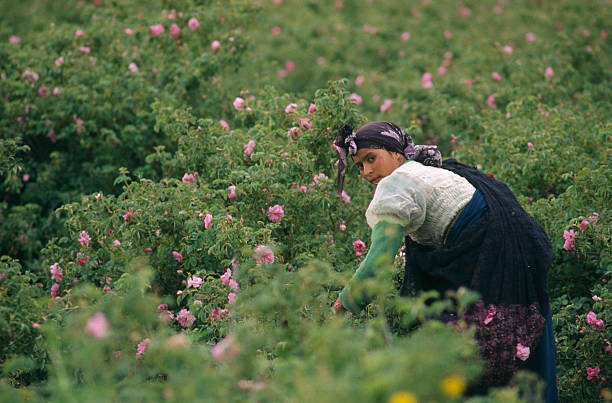
The most famous rose festival happens in Kelaat M’Gouna, a small town nestled in the Dades Valley. For those unfamiliar with the region, this area has been the center of Morocco’s rose oil production for centuries. The festival itself draws thousands of visitors each year who come to witness the rose harvest, explore traditional production methods, and immerse themselves in authentic Moroccan culture.
But here’s what most travel guides won’t tell you: the real magic isn’t just the flowers. It’s the people, the traditions, and the way an entire region comes alive during those few days in spring. I’ve spent decades studying how destinations market themselves online, and Morocco’s rose festivals represent one of the most authentic, untapped tourism opportunities in North Africa.
Understanding the Festival Season
Kelaat M’Gouna’s rose festival typically runs in early May, though dates can vary slightly depending on when the roses peak. The timing isn’t arbitrary it’s determined by nature. When conditions are perfect, the roses bloom in abundance, and that’s when locals decide to celebrate.
If you’re planning a visit, understanding this timing matters. You can’t just pick any May date and expect to catch the festival in full swing. The best approach? Check with local tourism boards or festival organizers a few months in advance. They’ll confirm exact dates once Mother Nature gives her approval.
The festival isn’t just one event either. Multiple celebrations happen throughout Morocco during the spring season. Fès has its own rose festival traditions, and smaller towns throughout the Atlas Mountains region host their own gatherings. This gives visitors flexibility in planning their trips and experiencing different aspects of Morocco’s rose culture.
What Actually Happens at the Festival
Walking through a rose festival in Morocco is a sensory experience unlike anything I’ve encountered in two decades of studying travel and tourism. You’ll see vendors selling fresh roses by the bundle. Artisans demonstrate traditional rose water and rose oil production using methods unchanged for generations. Local musicians perform, and the aroma honestly, words don’t do it justice.
The festival includes several key experiences worth knowing about. First, there are the flower markets where fresh roses sell for a fraction of what you’d pay anywhere else. Photographers absolutely lose their minds here. The color saturation, the variety of blooms, the authentic human moments it’s visual storytelling at its finest.
Second, you’ll find demonstrations of rose oil extraction. This is where the real knowledge comes in. Watching craftspeople explain how they’ve been producing these oils for decades gives you genuine insight into why Morocco became famous for rose products in the first place. It’s not marketing hype it’s actual heritage and expertise.
Third, there’s the community aspect. Locals celebrate alongside visitors. You’ll see families, children playing, people catching up with neighbors they might not see often. That authentic Moroccan hospitality isn’t a performance for tourists it’s just how these communities operate.
Planning Your Rose Festival Visit
If you’re considering a trip, here’s what I’d recommend based on what actually works:
Accommodation matters. Towns like Kelaat M’Gouna can get crowded during festival season. Book your hotel or riad well in advance we’re talking months ahead, not weeks. The good options fill up quickly, and you don’t want to end up in a mediocre situation when you came for something special.
Getting there requires planning. If you’re flying into Marrakech or Casablanca, plan at least 4-5 hours of travel time to reach the Dades Valley area. The roads are beautiful but winding. Hiring a driver or joining an organized tour from a major city simplifies logistics significantly. I’ve interviewed dozens of travelers, and the ones who hired local guides consistently had better experiences and better photos.
Budget realistically. The festival itself is free or has minimal entrance fees. Where your money actually goes is accommodation, meals, transportation, and souvenirs. Budget $100-150 per day for a comfortable experience, including decent lodging and food. You can spend less, but you’ll miss some experiences. You can spend more, but honestly, the best parts of the festival aren’t expensive.
Bring proper equipment. If you’re into photography, this matters. Bring good lenses, extra batteries, and SD cards. The lighting conditions especially during golden hour are exceptional. Even if you’re not a serious photographer, bring a decent camera or ensure your phone camera is in top condition.
Beyond Kelaat M’Gouna
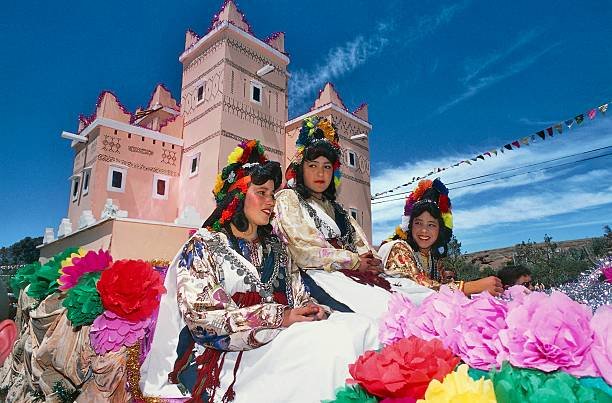
While Kelaat M’Gouna is the most famous, don’t overlook other rose celebrations happening across Morocco. The Fès region has significant rose cultivation and hosts its own spring festivities. The Atlas Mountains areas around Ouarzazate and surrounding regions celebrate the roses that grow throughout the high altitude zones.
Each celebration offers slightly different perspectives on how Moroccan communities value and utilize roses. Some festivals emphasize the agricultural aspect, others focus more on cultural traditions, and some blend everything together. Visiting multiple festivals in one trip is entirely possible for dedicated travelers willing to plan accordingly.
Why This Matters Beyond Tourism
Here’s something I rarely see discussed: Morocco’s rose industry represents real economic opportunity for rural communities. The festivals aren’t just marketing events they’re celebrations of livelihoods. The rose oil, rose water, and dried roses produced in these regions support families and communities. When you visit, you’re participating in something genuinely important to local economies.
This is why the experience feels authentic. There’s no manufactured tourism facade here. The festivals exist because roses exist, and communities celebrate what they’ve always celebrated. Tourism is welcome, but it’s secondary to the actual cultural event.
Making Your Decision
If you’re trying to decide whether a Morocco rose festival visit makes sense for you, consider these questions: Do you appreciate authentic cultural experiences? Are you willing to travel to less-touristy areas? Do you enjoy learning about different traditions and craftsmanship? Can you be flexible with dates based on when nature cooperates?
If you answered yes to most of these, you should absolutely plan a visit. This isn’t a manufactured attraction. It’s a genuine celebration that happens to welcome visitors. That’s increasingly rare in modern tourism, and it’s worth experiencing.
Next Steps
Start by researching exact dates for the upcoming festival season. Connect with local tourism boards or reputable tour operators specializing in Morocco travel. Read recent visitor reviews and guides written by people who’ve been there recently this helps you understand current conditions and expectations.
Consider what combination of experiences appeals most to you. Are you primarily interested in photography? Immersing in local culture? Learning about rose production? Understanding regional history? Your answer shapes which festival and which timing works best.
Morocco’s rose festivals represent something increasingly precious in our world: an authentic, community-centered celebration that shares its beauty with visitors. The roses will bloom again next spring, and the communities will gather again to celebrate. The question is whether you’ll be there to experience it with them.
The fragrance of thousands of blooming roses, the smiles of local artisans sharing their craft, the golden light across the valley these experiences are waiting. All that’s required is a bit of planning and a willingness to venture slightly off the well-worn tourist paths.
That’s where the real magic happens in Morocco.
When is the Morocco Rose Festival 2026?
The Kelaat M’Gouna Rose Festival is expected in early May 2026, usually between May 3–10, depending on the rose bloom season in the Dades Valley.
Is the Morocco Rose Festival worth visiting?
Yes, this is one of Morocco’s most authentic cultural events, offering:
Traditional Berber celebrations
Rare photography opportunities
Direct interaction with local artisans
How to get to Kelaat M’Gouna from Marrakech?
From Marrakech:
Distance: ~330 km
Travel time: 5–6 hours
Best options:
Private driver (most convenient)
Group tour (best for tourists)
Self-drive via Atlas Mountains
How far is Ouarzazate from the Rose Festival?
From Ouarzazate:
Distance: ~90 km
Travel time: 1.5–2 hours
This makes Ouarzazate the best base for day trips to the festival.
What is the Rose Festival in Kelaat M’Gouna?
The Rose Festival in Kelaat M’Gouna is an annual celebration held in May to mark the harvest of Damask roses. It features traditional music, local markets, rose product exhibitions, and cultural performances in the heart of Morocco’s Dades Valley.
What can you do at the Morocco Rose Festival?
Visitors can enjoy:
Rose harvesting and flower markets
Traditional music and dance performances
Rose oil and rose water distillation demos
Cultural parades and local crafts
Can tourists participate in the rose harvest?
Yes, in some areas around the Dades Valley, visitors can join local farmers during the early morning harvest season.
What products are famous from the Rose Festival?
Popular local products include:
Rose essential oil
Rose water
Dried rose petals
Handmade cosmetics
- blog
- Morocco Tour from Casablanca
- Morocco Tours from Agadir
- Morocco tours from Errachidia
- Morocco Tours from Essaouira
- Morocco Tours From Fes
- Morocco Tours From Marrakech
- Morocco tours from Ouarzazate
- Morocco Tours from Rabat
- Morocco Tours From Tangier
- Morocco Tours from Tetouan
- Private Marrakech Tours Packages
- Uncategorized
