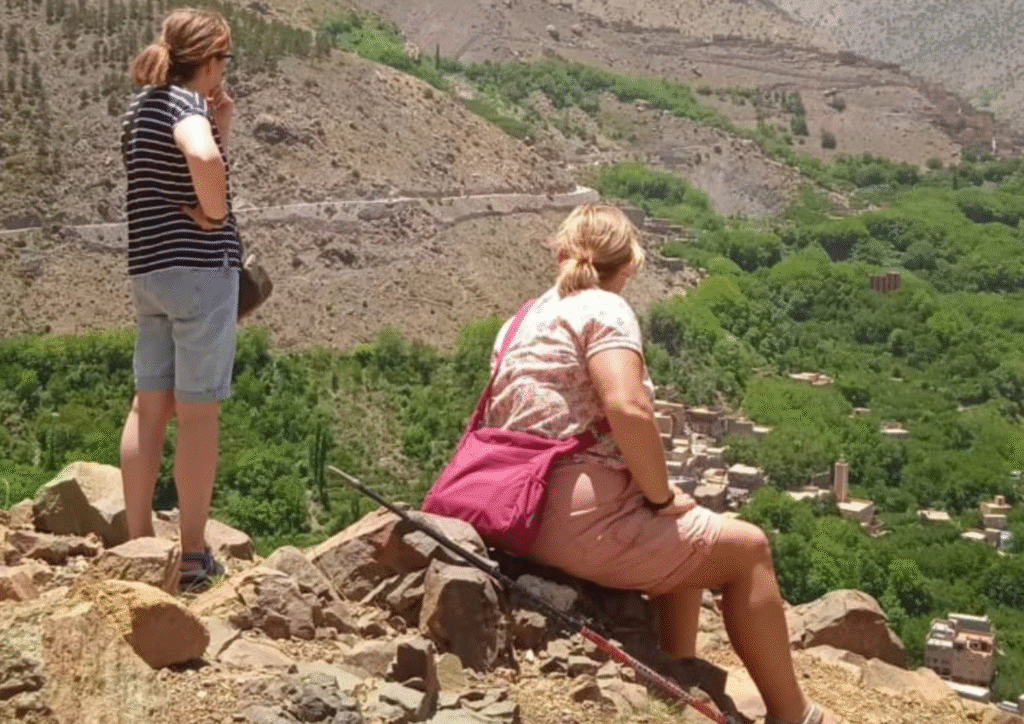
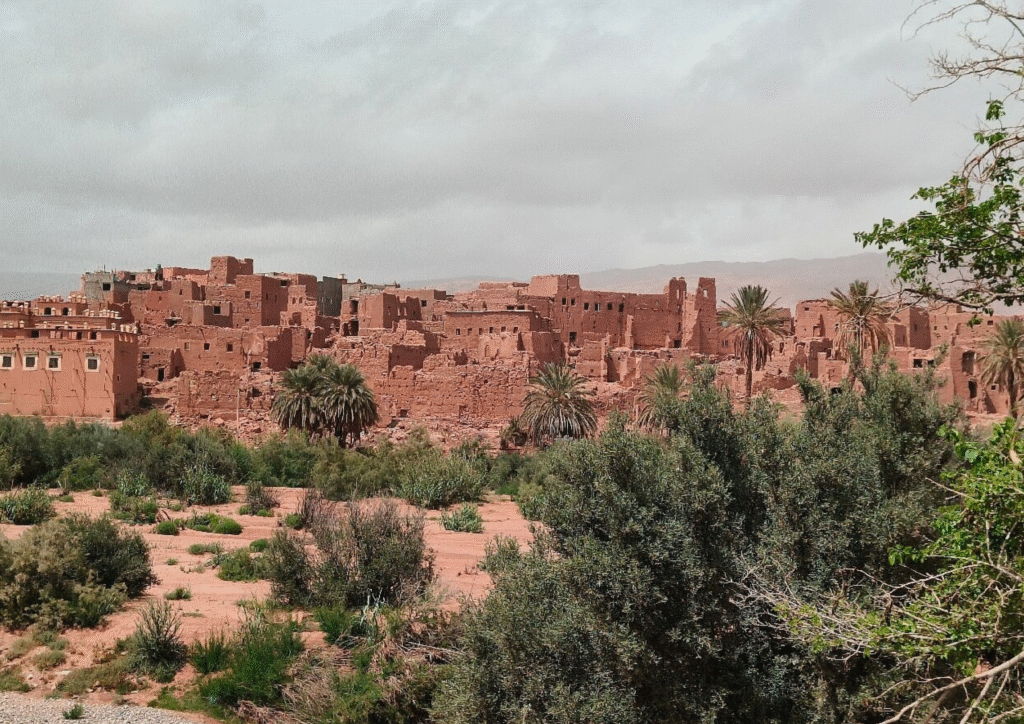
Close your eyes for a second. Imagine stepping onto a mountain trail at sunrise. The air is cool and clean. Wild thyme and lavender drift up from the rocks beneath your boots. Far below, a Berber village clings to the hillside, its earthen walls glowing gold in the early light. This is Morocco. And if you pick the right season, this is exactly what waits for you.
But here is the truth that many travelers learn the hard way: Morocco is a country of extremes. The summer heat in the valleys can push past 42°C. Winter nights on the High Atlas can drop dangerously below freezing. Get your timing wrong and your dream trek becomes a survival test. Get it right and you have one of the best hiking experiences on earth.
So what is the best time for hiking in Morocco? The short answer is spring and autumn. But the full answer is a little more interesting because it depends on where you want to hike, how fit you are, and what kind of experience you want. This guide breaks it all down, season by season, region by region, so you can plan with total confidence.
When Is the Best Time for Hiking in Morocco? (Quick Answer)
If you only have 30 seconds, here is what you need to know. Spring (March to May) and Autumn (September to November) are the two best overall seasons for hiking in Morocco. Temperatures are mild, the skies are clear, and the trails are in great condition. That said, every season has something to offer depending on where you go.
| Season | Months | Ideal For | Difficulty Level |
|---|---|---|---|
| Spring | Mar – May | All levels, wildflowers, festivals | Easy – Moderate |
| Summer | Jun – Aug | High altitude only (3,000m+) | Moderate – Hard |
| Autumn | Sep – Nov | All levels, stable weather | Easy – Hard |
| Winter | Dec – Feb | Desert & Anti-Atlas trekking | Moderate – Expert |
Morocco Hiking Seasons: A Month-by-Month Expert Breakdown
Spring Hiking in Morocco (March, April, May) Editor’s Top Pick
Spring is simply magical in Morocco. Temperatures in the Atlas Mountains sit comfortably between 8°C and 22°C. That sweet spot means you can push hard on a trail without overheating, and the evenings are cool enough to sleep well in a mountain refuge. What really sets spring apart, though, is the landscape itself.
April is when the almond trees finish blossoming and wildflowers take over the valleys. Fields of poppies, purple thistles, and yellow broom stretch across hillsides that will look bone dry by July. Berber villages celebrate the season with local festivals, and you are likely to be welcomed into a home for mint tea at some point along the trail.
Best trails for spring hiking in Morocco:
- Imlil Valley — a perfect introduction to Atlas mountain villages
- Aït Bouguemez (Happy Valley) — gentle walking with breathtaking scenery
- Toubkal Circuit — 4 to 5 days of serious trekking at its finest
One thing to watch: April can bring afternoon rain showers, especially in the western Atlas. Pack a lightweight waterproof jacket and you will be absolutely fine.
Summer Hiking in Morocco (June, July, August)
Summer in Morocco is not for the faint-hearted down in the valleys. Temperatures in the lowlands regularly hit 38°C to 45°C, and hiking in that kind of heat is genuinely dangerous without proper preparation. However, if you head up high, summer becomes one of the best times to attempt Morocco’s most impressive summit.
Mount Toubkal, North Africa’s highest peak at 4,167 metres, is most accessible from June through September. The snow has cleared from the upper trails, the route is technically straightforward, and the views from the summit are worth every step. The M’Goun Massif, also above 3,000 metres, is another excellent summer option with fewer crowds than Toubkal.
If you do hike in the Moroccan summer, start no later than 6am. Complete your main ascent before noon. Drink at least four litres of water per day. And always carry a high-SPF sun cream. Morocco’s altitude means UV radiation is far stronger than you expect.
Autumn Hiking in Morocco (September, October, November) Most Balanced
Many experienced Morocco hikers quietly consider autumn the best-kept secret of the trekking calendar. The summer crowds have gone home. The temperatures have dropped back into that comfortable 10°C to 24°C range. The trails are dry and firm underfoot. And the light at this time of year is extraordinary, all golden afternoon warmth and sharp morning clarity.
October is the single best month across almost every region. In Berber villages, the walnut and apple harvest is in full swing. You might find your guesthouse dinner accompanied by fresh-pressed argan oil, just-picked dates, and bread baked that morning in a clay oven. Autumn hiking in Morocco is not just a physical experience. It is a cultural one too.
Best trails for autumn in Morocco:
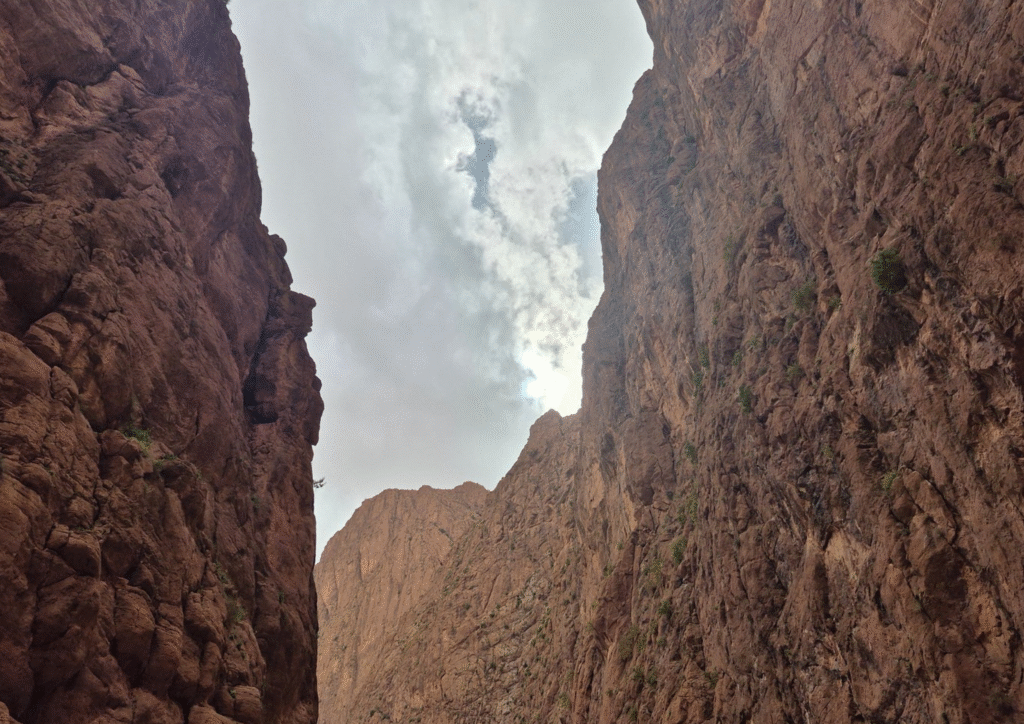
- Jebel Saghro — desert mountain terrain at its most dramatic
- Toubkal — still accessible before winter snowfall
- M’Goun Valley — six-day route through some of the most beautiful landscape in North Africa
- Jebel Badou — a rugged Anti-Atlas giant with dramatic cliffs and sweeping desert panoramas
Winter Hiking in Morocco (December, January, February)
Winter is a tale of two Moroccos. Up in the High Atlas, it is serious mountaineering territory. Snow arrives on Toubkal as early as late October, and by January, night temperatures can drop to minus fifteen or lower. Attempting the Toubkal summit in winter requires crampons, ice axes, and genuine cold-weather experience. It is a challenge for competent mountaineers, not casual trekkers.
But away from the high peaks, winter opens up one of the most rewarding hiking seasons of the year. The Sahara desert comes alive in winter. Temperatures settle into a perfect 18°C to 24°C range during the day. The air is crystal clear. Sunsets over the Erg Chigaga sand dunes are among the most beautiful sights in the world.
The Anti-Atlas Mountains are another winter highlight. Warm days of 15°C to 20°C, clear blue skies, and very few other hikers on the trails. Winter is also prime season for Jebel Saghro, a spectacular volcanic landscape between the Atlas and the Sahara.
Best Time to Hike in Each Region of Morocco
Morocco is not one landscape. It is five or six completely different worlds stacked together. Here is how timing breaks down by region so you can match your trip to exactly the right place and season.
| Region | Best Months | Highlights |
|---|---|---|
| High Atlas Mountains | Apr–May, Sep–Oct | Toubkal, M’Goun, Aït Bouguemez |
| Anti-Atlas Mountains | Oct–Apr | Warm winter days, dramatic rock landscapes |
| Sahara Desert | Oct–Nov, Feb–Mar | Erg Chigaga, Erg Chebbi, camel trekking |
| Rif Mountains | Mar–May, Sep–Nov | Cedar forests, Chefchaouen |
| Jebel Saghro and Jebel Baddou | Nov–Mar | Desert mountains, nomadic culture |
Best Morocco Hiking Trails by Season and Skill Level
One of the most common mistakes hikers make is choosing a trail without matching it to both their skill level and the season. This table does the work for you.
| Trail | Duration | Best Season | Difficulty |
|---|---|---|---|
| Toubkal Summit | 2 days | Jun – Sep | Hard |
| Toubkal Circuit | 4–5 days | Apr–May, Sep–Oct | Moderate – Hard |
| M’Goun Valley | 6 days | Apr–May, Sep–Oct | Moderate |
| Aït Bouguemez Valley | 1–3 days | Mar – May | Easy – Moderate |
| Jebel Saghro | 5 days | Nov – Mar | Moderate |
| Erg Chigaga Desert Trek | 3–5 days | Oct – Mar | Easy – Moderate |
How to Plan Your Morocco Hiking Trip by Season
What to Pack for Each Season
- Spring: Lightweight layers, a waterproof jacket, trekking poles, sun cream SPF 50+
- Summer: High-SPF sun cream, a 3-litre hydration system, a sun hat, early alarm clock
- Autumn: A windproof mid-layer, warm hat and gloves for evenings, lightweight sleeping bag
- Winter (mountains): Crampons, ice axe, thermal base layers, sleeping bag rated to -10°C or below
- Winter (desert): Light layers, a warm jacket for cold nights, sandproof bag covers
Hiking During Ramadan in Morocco
Many hikers worry about visiting Morocco during Ramadan, but there is genuinely no need to avoid it. Trekking in the mountains is not affected by the fast. You should still be able to find food and water along your route, and your guide will arrange meals appropriately.
One practical note: your guide and mule driver may have slightly lower energy levels than usual, especially in the afternoon hours before iftar, the breaking of the fast at sunset. Be respectful, plan shorter days if possible, and never eat or drink openly in front of local people who are fasting. In 2025 and 2026, Ramadan falls across late February and March.
Budget by Season
- Spring and Autumn (Peak): Higher guide fees and accommodation costs. Book at least 3 to 6 months ahead for popular routes like Toubkal.
- Winter (Off-Peak): Accommodation is typically 20 to 30 percent cheaper. Far fewer hikers on the trails.
- Summer: Budget-friendly in most areas, but high-altitude guides and specialist equipment add cost.
FAQ Best Time for Hiking in Morocco
What is the absolute best month to hike in Morocco?
April and October stand above every other month. Both offer mild temperatures across all regions, stable weather patterns, low crowd levels, and clear skies. If you can only choose one month for hiking in Morocco, October edges ahead by a small margin for its extraordinary light and post-summer trail conditions.
Can you hike in Morocco in summer?
Yes, but with important caveats. Summer is excellent for high-altitude routes above 3,000 metres, particularly the Toubkal summit and the M’Goun Massif. At lower elevations, the heat is extreme and potentially dangerous. Stick to early morning starts, stay very well hydrated, and avoid lowland trails between June and August unless you have experience hiking in intense heat.
Do I need a guide to hike in Morocco?
Technically no, but practically speaking, a local guide is one of the smartest investments you can make. Trails are not always well marked, weather can change fast in the High Atlas, and a good Berber guide brings cultural access that no map can give you. Always hire through the Bureau des Guides, Morocco’s official certification body, to ensure your guide is qualified and your money goes to the local community.
How cold does it get in the Atlas Mountains in winter?
Very cold. Night temperatures at altitude can drop to minus ten or even minus fifteen degrees Celsius by January. Snow covers Toubkal from late October or early November through to April in some years. Winter hiking in the High Atlas requires full mountaineering equipment and serious experience. The Anti-Atlas and Sahara regions are a far more accessible winter option.
Is Morocco good for beginner hikers?
Absolutely. Morocco has excellent options for every level. The Aït Bouguemez Valley offers gentle walking through Berber villages with minimal altitude gain. The Imlil Valley near Marrakech is another beginner-friendly starting point. For your first Morocco trek, spring is the ideal season: mild weather, beautiful scenery, and no extreme conditions to manage.
Can I combine Sahara desert trekking with Atlas mountain hiking?
Yes, and this combination is one of Morocco’s great outdoor adventures. The ideal window is October or early November, when both regions offer excellent conditions. Many hikers spend three to four days in the Atlas, then travel south to the Sahara for a two to three night desert experience. The contrast between snow-dusted mountain peaks and rolling orange sand dunes is something you will never forget.
What Morocco Hiking Experts Say About the Best Seasons
Experienced trekking operators and Bureau des Guides certified guides consistently point to a few key truths that guidebooks often overlook. First, the shoulder weeks matter more than the shoulder months. The very best conditions often fall in the second and third weeks of April, and the first two weeks of October. Plan around those specific windows if you can.
Second, altitude changes everything. A day that feels pleasantly warm in Imlil village at 1,740 metres can be genuinely cold and windy on the Toubkal refuge at 3,207 metres. Always pack a layer more than you think you need, regardless of season.
Third, local knowledge is irreplaceable. A Berber guide who grew up in the Atlas knows which trails flood after rain, which villages sell the best argan oil, and which passes are still snow-covered when every map says they should be clear. That kind of knowledge cannot be downloaded. It has to be walked beside.
Ready to Plan the Best Hiking Trip of Your Life in Morocco?
Morocco is one of the most rewarding hiking destinations on earth. The landscapes shift from cedar forest to rocky summit to rolling sand dune within a single country. The culture along the trail is warm, generous, and genuinely unlike anywhere else. And when you time your visit right, every single day on the trail feels like a gift.
Here is your quick seasonal summary to take away with you:
- Spring (March to May): The best all-round season. Wildflowers, mild temperatures, and full access to all major trails. Ideal for every level.
- Summer (June to August): Toubkal and high-altitude routes only. Extreme heat in the lowlands. Experienced hikers only.
- Autumn (September to November): The most underrated season. Stable weather, fewer crowds, golden light, and the harvest experience in Berber villages.
- Winter (December to February): Desert and Anti-Atlas trekking at its finest. Mountaineering-grade preparation required for the High Atlas.
Your next step is simple. Choose your season, match your trail to your fitness level using the table above, book a certified guide through the Bureau des Guides, and start packing those boots. Morocco is waiting for you, and it is even better than you imagine.
→ Explore our Morocco Hiking Guides
- blog
- Morocco Tour from Casablanca
- Morocco Tours from Agadir
- Morocco tours from Errachidia
- Morocco Tours from Essaouira
- Morocco Tours From Fes
- Morocco Tours From Marrakech
- Morocco tours from Ouarzazate
- Morocco Tours from Rabat
- Morocco Tours From Tangier
- Morocco Tours from Tetouan
- Private Marrakech Tours Packages
- Uncategorized
